
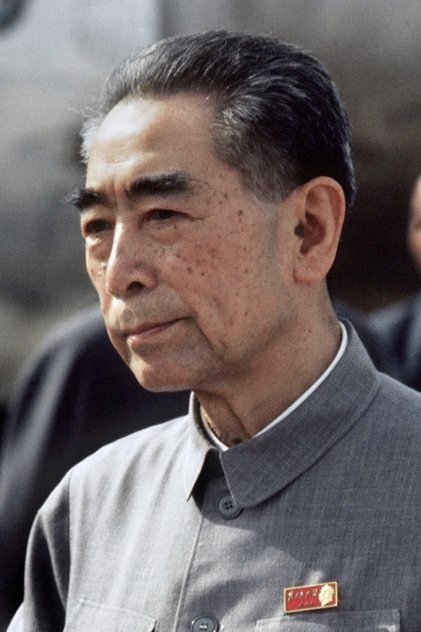
Zhou Enlai
Acting
Biography
Zhou Enlai (5 March 1898 – 8 January 1976) was the first Premier of the People's Republic of China. From October 1949 until his death in January 1976, Zhou was China's head of government. Zhou served under Chairman Mao Zedong and helped the Communist Party rise to power, later helping consolidate its control, form its foreign policy, and develop the Chinese economy. Description above from the Wikipedia article Zhou Enlai, licensed under CC-BY-SA, full list of contributors on Wikipedia.
Born: March 5, 1898
Place of Birth: Jiangsu, China
Known For

Political Cinema
Through abrupt soundtrack shifts, this short film jumps between historical political imagery to explore the cinematic language of propaganda, unpacking complex concepts through sensory explosions — from the Brazilian military dictatorship to the Chinese revolution.
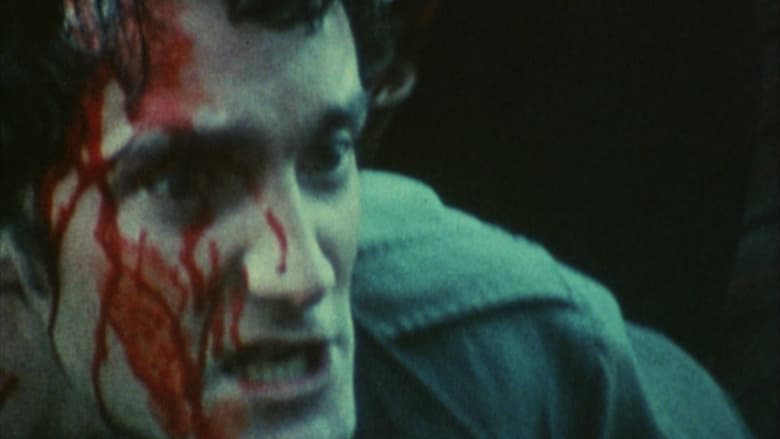
A Grin Without a Cat
Chris Marker’s A Grin Without a Cat is an epic political essay tracing the rise and decline of the global left from the 1960s to the 1970s. Through archival footage and commentary, the film examines revolutionary movements in France, Latin America, and beyond, reflecting on the ideals, failures, and fading hopes of a generation.
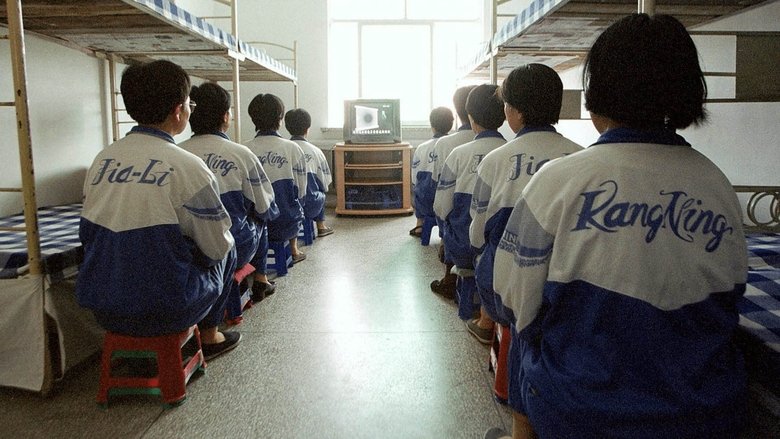
Laogai: Prison Nation - Inside China's Ruling System
After the founding of the People's Republic of China in 1949, Mao Tsetung established a system of labor camps for systematic repression, known as Laogai, an abbreviation for "Reform Through Labor". In such camps, forced labor and physical and mental torture were used to bring about a so-called mental reform, re-education in the spirit of the Chinese Communist Party. Millions of Chinese were affected. Many were executed. In hundreds of camps, the Party took advantage of the prisoners' free labor to build the economy. Self-criticism and denunciation were often the only way to escape martyrdom. Successive waves of purges culminated in the Cultural Revolution, which saw massive human rights abuses, political assassinations, massacres, and exiles in remote parts of the country. Using unreleased archive footage, the documentary tells the story of the invention, development and improvement of China's totalitarian system of surveillance and repression up to the present day, never told before.
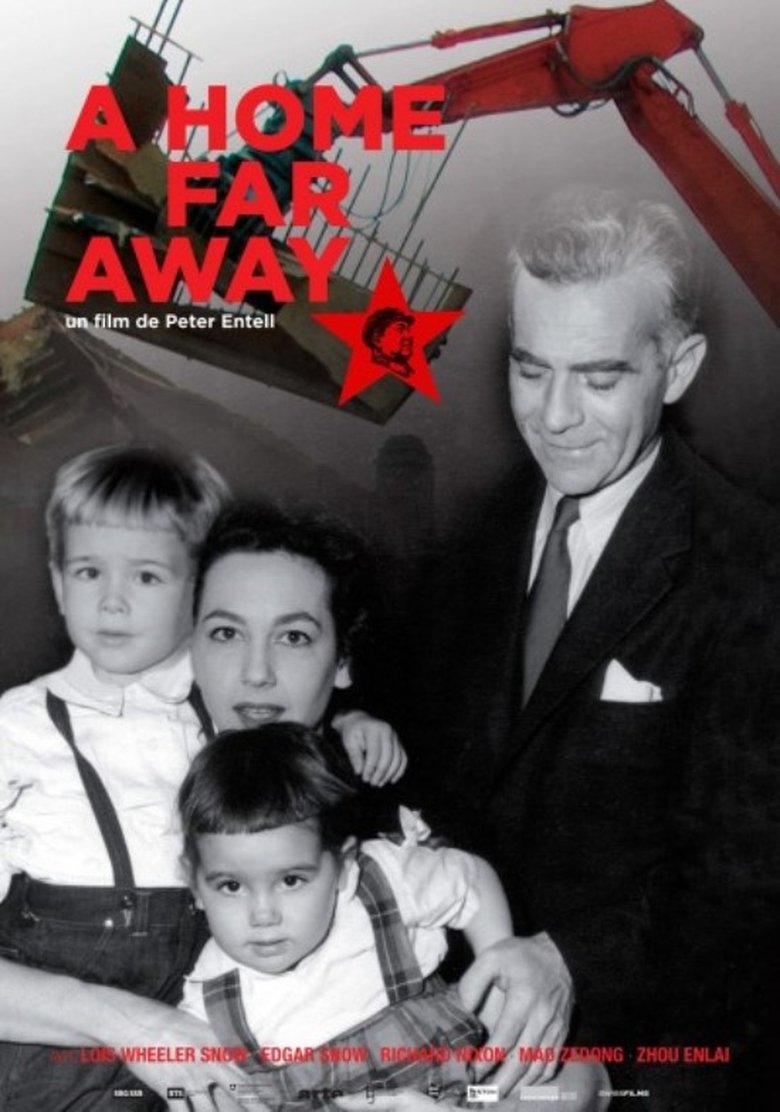
A Home Far Away
The extraordinary destiny of two people. After the Second World War, Lois is an actress in Broadway theatre, television and Hollywood films. Her husband, Edgar Snow, is world famous. A pioneer fascinated by China, he is the first journalist to film and interview Mao Tse-tung. Suspected by the American authorities of Communist sympathies, Ed and Lois are blacklisted. Together with their two small children, they go to Switzerland, mid-way between China and America, where they find a new home. A story of revolution, utopia, disillusionment, and hope.
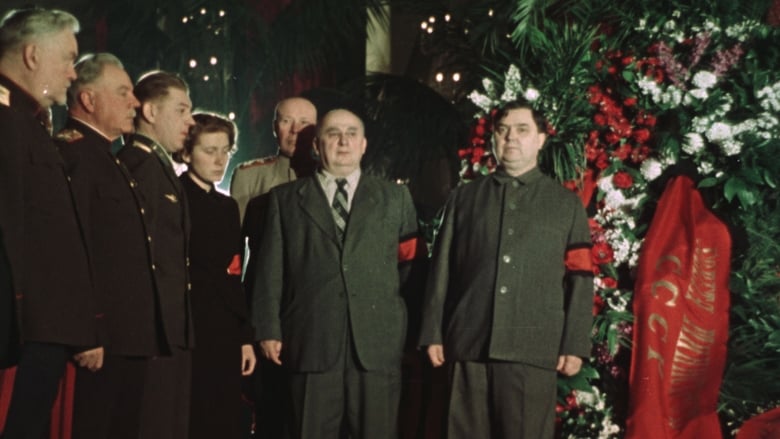
State Funeral
The enigma of the personality cult is revealed in the grand spectacle of Stalin’s funeral. The film is based on unique archive footage, shot in the USSR on March 5 - 9, 1953, when the country mourned and buried Joseph Stalin.
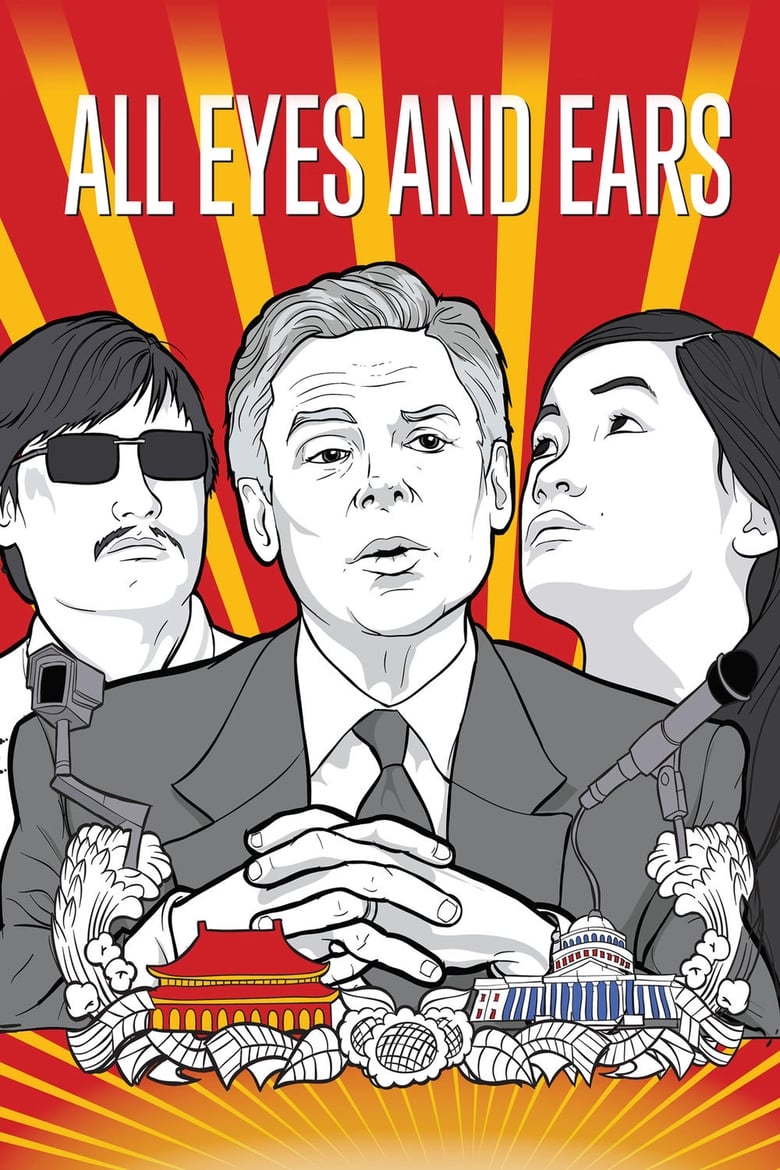
All Eyes and Ears
A timely exploration into the complex links between the U.S. and China. Interspersed with remarks from journalists and experts, All Eyes and Ears interweaves the stories of U.S. Ambassador to China Jon Huntsman, his adopted Chinese daughter, Gracie Mei, and blind legal advocate Chen Guangcheng as they find purpose, identity and resolve amid the two nations’ evolving relationship.

Velikoye proshchaniye
March 9th, 1953. A gray, sad day. Clouds float low over the Kremlin towers. A city that unrecognizably grew, prettier and matured - this Moscow froze in solemn grief. The country escorts its father and leader, Joseph Stalin.
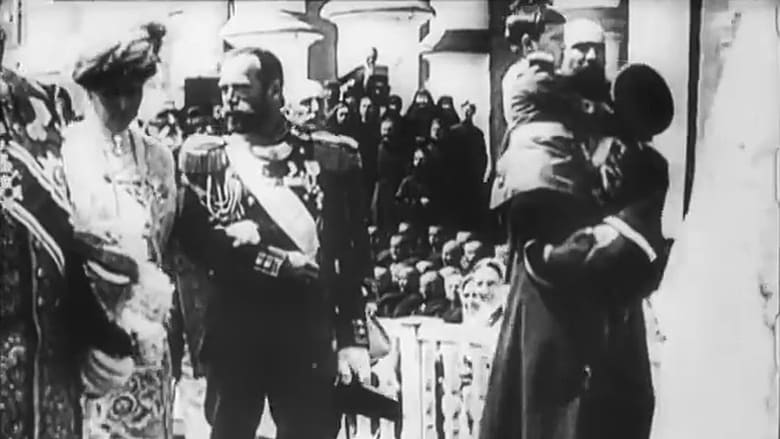
And Still I Believe
Originally called World '68, later retitled The World of Today Romm’s film was conceived as an impassioned, large-scale essay on the origins of the 20th century and the subsequent reality the disappointed director felt slipping away from him. The film itself slipped away from him and was left unfinished at the time of his death. His younger colleagues, Marlen Khutsiev, Elem Klimov and German Lavrov, completed the film from the elements he left behind in addition to segments from Ordinary Fascism, closing the film with Romm’s ultimately optimistic outlook: "And still I believe that man is sensible..."
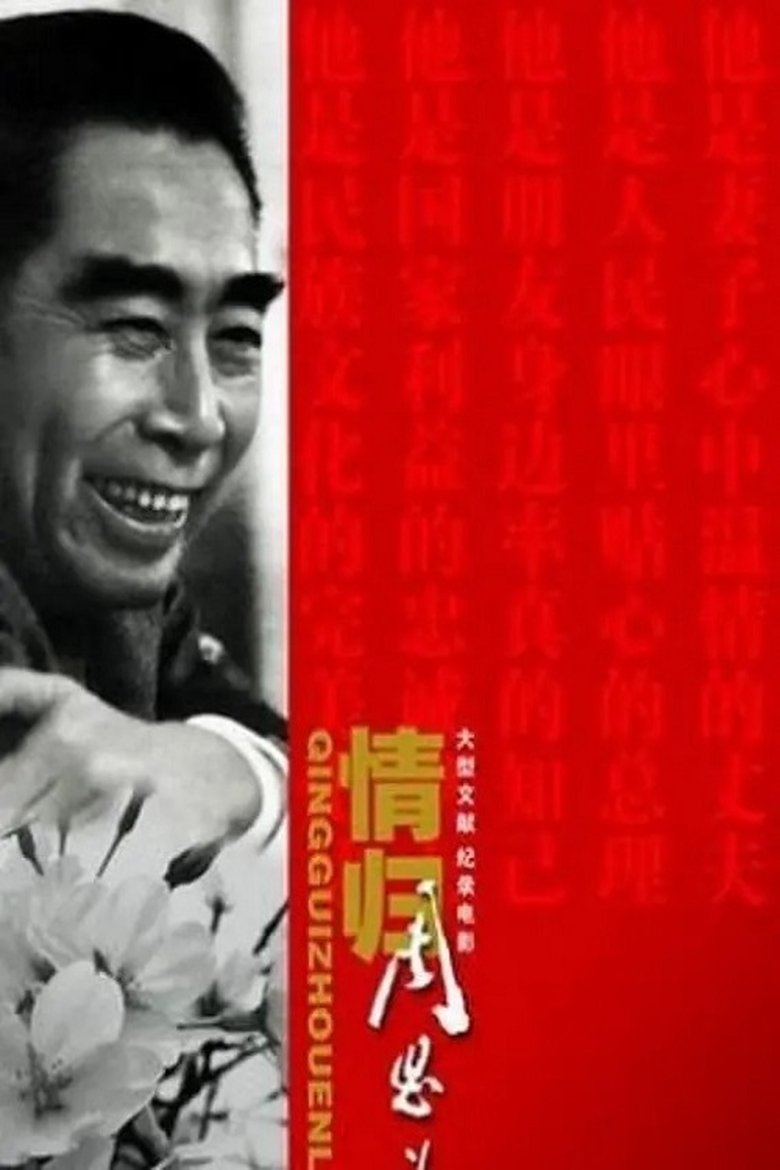
Qing Gui Zhou EnLai

Nixon in China
Documentary following Richard Nixon's visit to China in 1972. Produced by the Richard Nixon Presidential Library from archive materials.
Filmography
as Zhou Enlai
as Self (archive footage)
as Self (archive footage)
as Self (archive footage)
as Self
as Self
as 周恩来
as Self (archive footage)
as Self (archive footage) (uncredited)
as (archive footage)
as Self