A History of the European Working Class

8.0
20201h

The history of the European working class, from the early 18th century to the present day.

Production

Logo for Les Films d'Ici
Logo for ARTE
Logo for AB Productions

Seasons

4 Episodes • Premiered 2020

The history of the European working class, from the early 18th century to the present day.
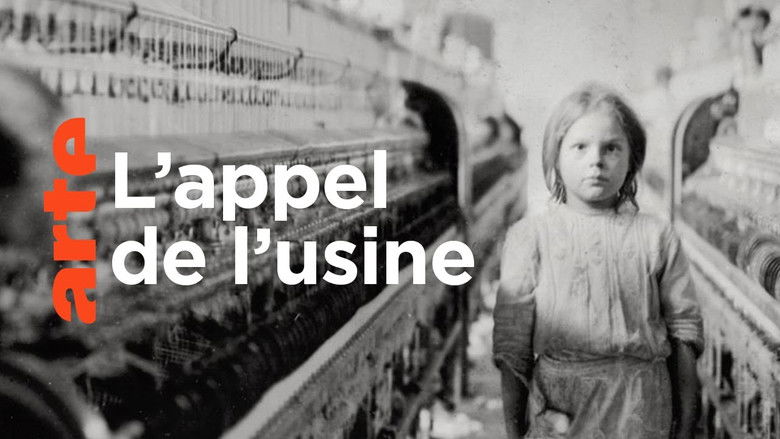
Still image for A History of the European Working Class season 1 episode 1: The Politics of Manufacturing / The Factory (1700-1820)

1. The Politics of Manufacturing / The Factory (1700-1820)

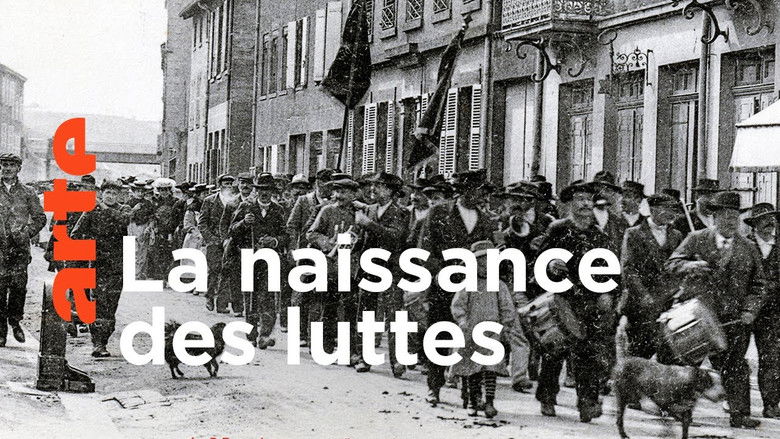
England, 1820s. After decades of exploitation, the British working class start fighting back.

Still image for A History of the European Working Class season 1 episode 2: The Barricades (1840-1913)

2. The Barricades (1840-1913)

In continental Europe, Belgium was the only country that adopted the Factory System and economic liberalism, already well established in Great Britain, so the country became heaven for capitalists, but hell for workers. France's industrial revolution, on the other hand, was far slower, without large factories or a massive rural exodus. But it was nonetheless this group of workers that militantly campaigned for better living and working conditions.

Still image for A History of the European Working Class season 1 episode 3: Life on the Production Line / Chain Time (1914-1939)

3. Life on the Production Line / Chain Time (1914-1939)

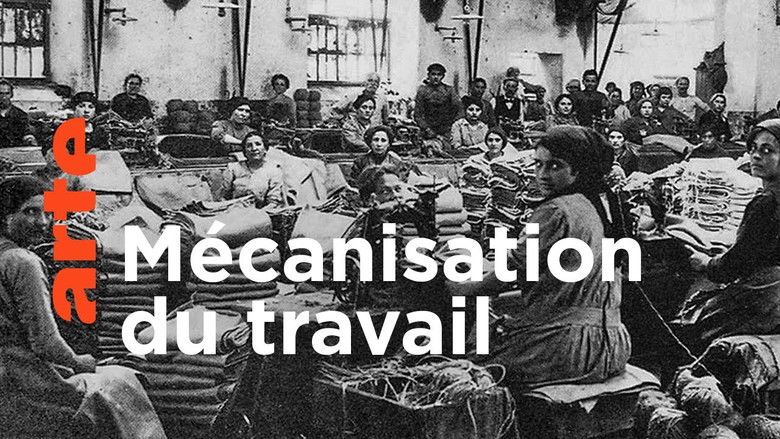
By the end of the 19th century, factory owners realized that workers are just as much part of the company's capital as the machines are, and thought of ways to make these human machines work better, with nutrition and exercises. But the production line, invented in Chicago in 1871, did not catch on in the rest of the world until the World War I. Shortly after, the crises of the 1920s and 1930s saw the worker dramatically lose bargaining power.

Still image for A History of the European Working Class season 1 episode 4: Revolution / Time of Destruction

4. Revolution / Time of Destruction

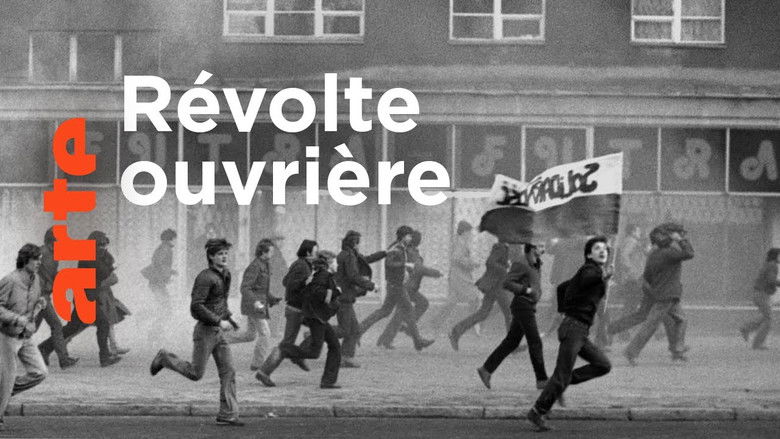
As democracy in Europe faltered, so did worker's rights. Nazi Germany used the workers of the countries it defeated as forced labor, and systematically worked dissenters and Jewish people to death. During the Cold War, in the West, social peace was bought by improving working conditions; while, in the East, the worker, supposedly so central to communism, lost many basic rights. There was renewed hope in the seventies that things would get better for workers, but it turned out to be a false dawn.

More Like This

Reviews

No reviews available yet.