
All You Need Is Love: The Story of Popular Music
A 17-part television documentary series on the history of modern pop music covering some of the many different genres that have fallen under the label of "popular music" between the mid-19th century and 1976, including folk, ragtime, Tin Pan Alley, vaudeville and music hall, musical theatre, country, swing, jazz, blues, R&B, rock 'n' roll and others.
Production

Production
Available For Free On

Seasons

1. Introductory Programme
2. God's Children
It is generally assumed that American popular music comes from the coastal regions of Africa; that the slaves brought drums to the United States; that jazz originated, somehow, in New Orleans; that the blues developed in the Mississippi Delta, and later became the cornerstone of everything from rock n roll to ragtime. All of these assumptions are untrue, and this episode with seek to uncover the real story – in Africa, on the edge of the Sahara; in Austria and the Salzkammergut; in the Ozark mountains of Arkansas; in New Orleans and in Texas. featuring Duke Ellington Ginger Baker James Brown LeRoi Jones Lightnin' Hopkins Rufus Thomas The Platters Tina Turner
3. I Can Hypnotise 'Dis Nation (Ragtime)
Thanks to the hit movie, “The Sting”, everyone reckons they know about Ragtime. But do they? This Episode includes the oldest known piece of film (1898) showing what the cakewalk was really like. Also extracts from The Royal Ballet production based on Scott Joplin’s music, “Elite Syncopations”. Also extracts staged by the Houston Grand Opera of Joplin’s only surviving opera, “Treemonisha”. There is also rare early film of Irving Berlin (Alexander’s Ragtime Band) as well as film of Joplin’s birthplace and of the madhouse where he died. Although reference is made to other early ragtime composers, this episode is essentially the story of Scott Joplin – an extraordinary tragedy of failure, frustration, pride, of the black man’s struggle to achieve for himself a proper place in American society. featuring Christies Ethiopian Serenaders Eubie Blake Houston Grand Opera and the music of Scott Joplin Irving Berlin Monica Mason Rudi Blesh Terry Waldo
4. Jungle Music (Jazz)
This episode takes a look at the origins of jazz and challenges the theories that it is a black music form which was created in New Orleans. Featuring contributions and footage from Miles Davis, Duke Ellington, Charlie Mingus and Louis Armstrong.
5. Who's That Comin'? (The Blues)
Exploring the origins of the blues, with contributions and performance recordings by Memphis Slim, Ray Charles, Muddy Waters, Billie Holiday and BB King.
6. Rude Songs (Vaudeville and Music Hall)
The history of suggestive songs and their vaudeville and music hall beginnings, with artists featured including Judy Garland, Liberace, Mae West, Edith Piaf and Marlene Dietrich.
7. Always Chasin' Rainbows (Tin Pan Alley)
The story of Tin Pan Alley, where hit records were made to order and the first sightings of the popular music industry emerged. With contributions by Bing Crosby and Perry Como. Starring: Bing Crosby, Perry Como
8. Diamonds As Big As the Ritz (The Musical)
The story of the musical, an art form that emerged from vaudeville, operetta, burlesque and the British music hall. Featuring a script by Stephen Sondheim.
9. Swing That Music! (Swing)
This episode tells the story of swing. Featuring archive footage and contributions from Frank Sinatra, Bing Crosby, Benny Goodman and Woody Herman.
10. Good Times (Rhythm and Blues)
In the late forties, white record companies labelled commercial black music “race music”. Eventually, Jerry Wexler, then working at Billboard magazine as a reporter, thought of the phrase, “rhythm and blues” and it caught on. Before long, numerous other descriptions appeared – Motown, the Philadelphia Sound, Soul – but all had in common that the music expressed the rising aspirations of the ghetto. Meanwhile, a curious imitation of black gospel appeared called white gospel. And among those who loved the sound were two remarkable men; one a record producer, Sam Phillips, who wanted to create a sound which had the discipline of white gospel but with the abandon of black rhythm and blues; the other was Elvis Presley. featuring Aretha Franklin Bill Haley Bo Diddley Clyde McPhatter Ike and Tina Turner Jerry Wexler Johnnie Ray Pat Boone Stevie Wonder The Lefevres Family The Platters The Supremes Wilson Pickett
11. Making Moonshine (Country Music)
Country music was, originally, home-made music. It described the births, marriages and deaths that happened in every community. It celebrated love, just as it bemoaned the ill-fortune that came to every man. It was music with which all felt they could identify. As such, it occupied a unique place in white culture. The music was not manufactured, as in Tin Pan Alley, nor sophisticated, and this episode describes the process by which this change came about. Finally, we will be backstage at the Grand Ole Opry during one of its regular nationwide broadcasts, with a blessing to finish from Grand Ole Gospel Time. featuring Bill Anderson Doug Kershaw Ernest Tubb Jimmie Driftwood Jimmie Rodgers Minnie Pearl Roy Acuff Roy Rogers Tex Ritter Webb Pierce William Ivey and Stars of the Grand Ole Opry
12. Go Down, Moses! (Folk 'War Songs')
After Nashville had raped American country music, it might seem that the folk traditions this music embodied had been lost. Not so, because these traditions had a purpose other than to entertain. We shall see how folk music used popular melodies to spell out unpopular themes, how during the American War of Independence filthy words were penned against the British Crown, but all to the tune of ‘God Save The King’. The same happened during the American Civil War – different words, depending on whether you were from the North or the South but to the same tune. Song has been used by such as Joan Baez and Bob Dylan, Peter Seeger and Leonard Cohen as a passionate weapon for peace. The effect these singers managed to achieve in the sixties was one of the stronger causes of the American defeat in Vietnam. featuring Arlo Guthrie Bing Crosby Country Joe McDonald James Simmons Joan Baez Leon Rosselson Leonard Cohen Pete Seeger Peter, Paul and Mary The Andrews Sisters Vera Lynn Woody Guthrie
13. Hail! Hail! Rock n Roll (Rock n Roll)
The story of rock n roll begins and ends in Memphis, Tennessee, in the tiny studio of record producer Sam Phillips. He tells of how he discovered Elvis Presley and of the struggle he had to get Presley accepted. It was not the overnight success story that is popularly believed. Before long, however, Presley came to symbolize the spirit of an entire generation. How did this happen, and why? Or was it the product of Sam Phillips’ imagination and Presley’s stage presence? featuring Bill Haley Carl Perkins Chubby Checker Chuck Berry Cliff Richard Conway Twilty Elvis Presley Gene Vincent Jack Good Jerry Lee Lewis Little Richard Lonnie Donegan Pat Boone Sam Phillips Terry Dene Tommy Steele
14. Mighty Good (The Beatles)
“They were very scruffy” recounts Allan Williams, the Beatles’ first manager, as he describes the Beatles’ early escapades in Hamburg and Liverpool Soon Brian Epstein appeared on the scene, although he didn’t like the sound the Beatles made. Nor did any record producer, and even George Martin now admits that he never believed they would make worldwide hit song writers. There was a cost, of course, which eventually had to paid for this extraordinary euphoria. But, at the time, no-one seemed to care. featuring Allan Williams Bill Graham Brian Epstein Derek Taylor Donovan George Harrison George Martin John Lennon Mamas and the Papas Murray the K Paul McCartney Ravi Shankar Ringo Starr Roger McGuinn The Beach Boys The Byrds
15. All Along the Watchtower (Sour Rock)
The sixties began, according to Eric Burdon as “a party”. “The aim of all of us, Hendrix, The Who, The Stones” Burdon goes on, “was to ball every chick in sight”. Unfortunately, the party went sour. After the death of Epstein, the Beatles quarreled and split up. Jagger was arrested. Drugs became fashionable. The swinging sixties tore itself apart in an orgy of self-congratulation and self-indulgence. featuring Alexis Korner Bill Graham Bill Wyman Donovan Eric Burdon Frank Zappa Janis Joplin Jimi Hendrix John Lennon Manfred Mann Mick Jagger Paul McCartney Peter Rudge Pink Floyd The Doors The Rolling Stones The Who
16. Whatever Gets You Through The Night (Glitter Rock)
This Episode takes place almost entirely on stage; fans are always seen from the performer’s point of view. Thus, we begin to feel and experience first hand the pressures being put upon various individuals by the music industry. We are backstage with David Bowie as he makes himself up for a performance. We watch Alice Cooper ritualistically smashing up a doll, while the fans shriek for more and more. We are with Ian Anderson of Jethro Tull as he prepares to face a screaming crowd. We watch Eric Clapton before drugs, during drugs and after drugs. We are on stage with Keith Emerson as he hurls his electric organ as the audience... featuring Alice Cooper Bob Marley and the Wailers Clive Davis Cream David Bowie Elton John Emerson, Lake and Palmer Eric Clapton Gary Glitter Helen Reddy Jethro Tull Keith Moon Kiss Labelle Lester Bangs Marie and Donny Osmond Roxy Music
17. Imagine (New Directions)
The film opens at a pop festival. Drug-smoking is very much in evidence. “These fellows will answer to God” says the Rev Jack Wyrtzen, “for all the pollution and evil they have spread around the world.” “The thing about rock n roll” says Lester Bangs, “is that it is totally about adolescence, and about consumerism brought in the highest degree”. In fact, as the film begins to point out, neither of these extreme points of view is true. Tangerine Dream perform religious music in Coventry Cathedral. Stomu Yamash’ta, a spectacular Japanese percussionist, clearly has nothing to do with adolescence: and no-one could describe Mike Oldfield as the product of consumerism.
More Like This

Game of Outlaws
When their fathers are killed in the line of duty, two grown-up daughters join the police force to avenge their deaths and fight crime.

Remote
Locked away deep in his home and hiding a secret that keeps him there, Detective Kozaburo Himuro remains ever vigilant in his duties of police work. But how does the wunderkind detective investigate crime scenes without ever stepping out of his home? Enter traffic cop Kurumi Ayaki. She's a young lady who's about to marry and resign from the force when tasked with being Himuro's eyes and ears on the beat. While on the scene of the crime their only means of communication is via mobile phone. Together they investigate a series of mind-boggling murder mysteries that put them, particularly Kurumi, in constant danger. Can Kurumi keep up with Detective Himuro, and the fast-paced and dangerous work of criminal investigation?

History Told by Socks!
Two sock puppets are presented with a challenge by “The Time” to keep the world going. They must defend the merits of human progress through five major historical events.

Bad Romance
Yihwa lives fine without love—until Cho walks in and flips her world upside down, one misunderstanding at a time.

Sweet Diva
Maria da Paz is a committed baker who becomes a wealthy businesswoman twenty years after a tragedy strikes on the day of her wedding to Amadeu. From this broken union a baby is born, Jô, who seeks power and despises her mother’s humble origins. Afraid that her parents’ reunion might spoil her plans, Jô starts an alliance with the charming Régis to convince Maria to marry him and, together, they plan to steal all of Maria’s fortune. In this exciting telenovela written by Emmy Awards winner Walcyr Carrasco, Maria’s optimism must be stronger than Jô’s ambition when the baker finds out about the betrayal and her own daughter’s dangerous secrets.

Jack & Joker: U Steal My Heart!
To pay off his family's debt, a gifted taekwondo prodigy becomes the unwitting accomplice of a charismatic, legendary thief.

Kashi Mashi Meshi
A man killed himself. Due to his death, three of his former classmates from art school, reunite for the first time in a long while. These three people have connections to the man in different ways, including his ex-girlfriend, the manager of a rugby club where the man played, and his ex-boyfriend. While struggling with their own lives, these three people begin to meet and have meals together.

Enlighten Your Life
In 1986, when Yugoslav nuclear power expert Lehmann came to the East China Sea to inspect nuclear power and question China's ability to build nuclear power plants, fitter Ye Jia Ming and buyer Lin Tian Chen, becomes his first supporters. But during the building of a plant, Tian Chen was corrupted by Ding Li, and accused by his superior, of variety of crimes. Feeling betrayed, Tian Chen resigns from his post and went to the United States, leaving his son Lin Qi to the Ye's family to raise. But what he didn't except, is that his son, will folllow his footstep, and as an adult become key figure, in developing nuclear weapons.
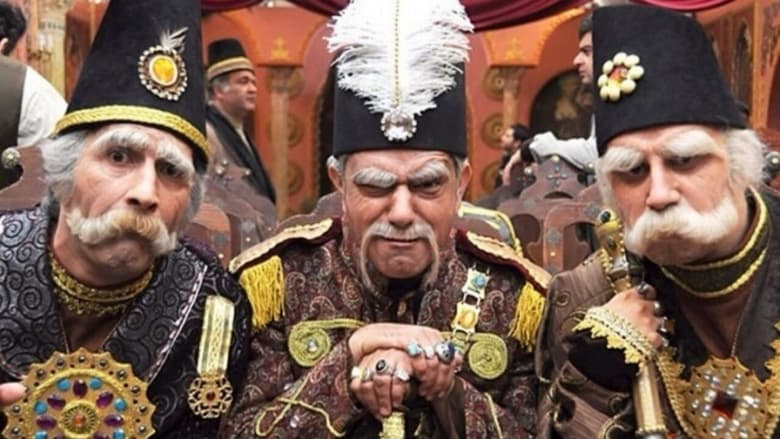
Bitter Coffee
The series begins with history teacher Nima Zande-Karimi (Siamak Ansari) realizing that his extensive research on Persian and world history is of little use to financing his day-to-day life. He is about to leave Tehran for good to go back to his hometown by the name of Darab, when he comes across young university student Roya Atabaki (Sahar Jafari-Jozani) who is researching for her final year dissertation, which is regarding the period 1198–1203, that is said to be a period of turmoil for Iran's ruling elite. Such turmoil that, very few books are available on that period for Roya's research. It is then that Nima receives an anonymous telephone call, which leads him to Niavaran Palace (currently a museum), where he is told to have a coffee and wait. The coffee (which is bitter) is ready and he duly drinks it, his sight becomes hazy, and when he manages to refocus he is in the year 1201 (1822 AD), and the story develops therein.

Jaat Ki Jugni
Munni gets attracted to Bittu, a boy who grew up with her. However, Munni's three brothers restrain her from going out.

Syndicate
An young employee at a well known bank passes away jumping from the building rooftop. People speculate that, it is a suicide but her partner Adnan, who’s also her coworker figures out it is not just a mere suicide, rather a murder. Adnan and another coworker get on a journey to uncover the real mystery behind Jisha’s untimely death.

Wicked Tuna: Outer Banks
The long, cold winter has just hit New England, and while the bluefin tuna season has come to an end in Gloucester, Mass., it’s just getting started in the Outer Banks of North Carolina. After a disappointing season, several of Gloucester’s top fishermen head south to try to salvage their finances by fishing for the elusive bluefin tuna in unfamiliar Carolina waters before the experienced locals beat them to the catch. It’s a whole new battlefield and the Northern captains must conquer new styles of fishing, treacherous waters and the wrath of the Outer Banks’ top fishermen. They’re gambling on what could be a massive payday … or a huge financial loss.

Perlman in Russia
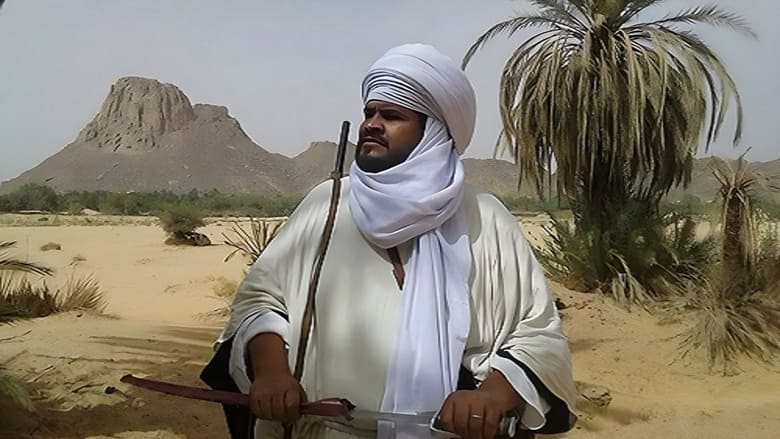
طوق النار

Storage Hunters UK
Regular people bidding for storage units.
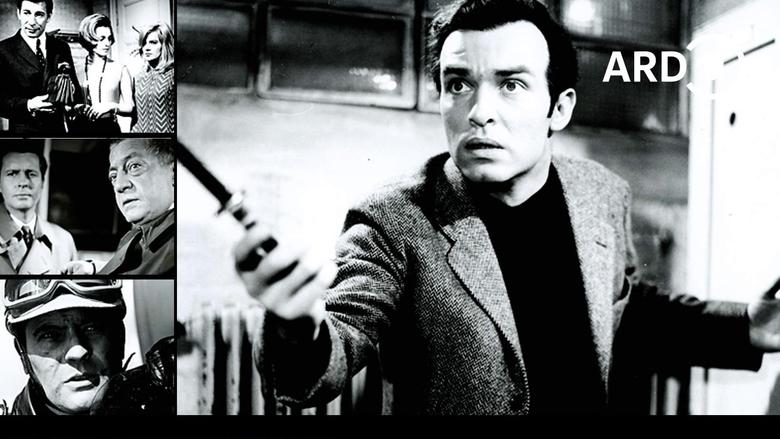
Polizeifunk ruft
Polizeifunk ruft is a German television series.
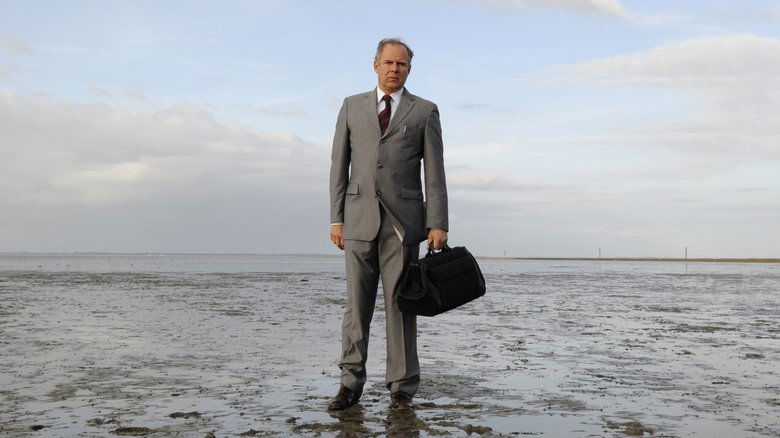
Doktor Martin
Doktor Martin is a German television comedy drama series produced by production company Phoenix Film for the German television channel ZDF. The first series was broadcast in July 2007, the second in July 2009. The series is an adaptation of the British television series Doc Martin, which is broadcast on the British television channel ITV.
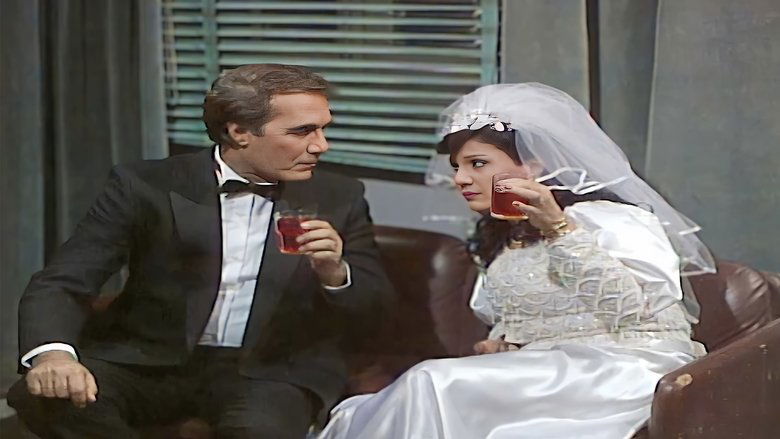
A Husband's Diary
When Ra'ouf suffers from a series of marital problems, the situation escalates until his wife kicks him out. In order to find a solution, he turns to his friend Youssef.
Reviews
No reviews available yet.