
American Cinema
13 episode series created by PBS to commemorate 100 years of movie-going. The history of Hollywood and filmmaking comes alive in this spectacular celebration of movie magic. It's a mesmerizing, epic analysis that combines rare archival film, key scenes from immortal movies, interviews with leading filmmakers and commentary from noted film scholars and critics. As seen on PBS, this series is the definitive chronicle of the American cinema, from its beginning to today. Includes interviews with Robert Altman, Clint Eastwood, Harrison Ford, Spike Lee, George Lucas, Sidney Lumet, Julia Roberts, Martin Scorsese, Gene Siskel, Steven Spielberg, Oliver Stone, Quentin Tarantino, and many more.
Production

Production
Seasons

1. The Hollywood Style
In the classical Hollywood film, the story is primary. Filmmakers rely on style — structure, narrative, and visual elements — to effectively tell their story. Martin Scorsese and Sydney Pollack are among the premier directors who discuss how classical Hollywood style, evolving and yet enduring over time, informs their work.
2. The Studio System
This program surveys Hollywood's industrial past during the era of contract players and directors, studio police forces, and colorful movie moguls. It also looks at the filmmaking environment of today with studio heads Michael Eisner, Howard Koch, and others. Paramount Pictures, one of the oldest and most successful of the Hollywood studios, serves as a case study.
3. The Star
Greta Garbo, Cary Grant, Dustin Hoffman — these among many others are names synonymous with Hollywood. Early on, Hollywood saw that recognizable talent could minimize the financial risks of film production. Critics, film scholars, and studio publicists view the stars from many angles: as marketing tools, cultural icons, and products of the industry. Joan Crawford headlines as a case study of the cultural phenomenon of stardom.
4. The Western
The western is an American myth that has been translated by other cultures and reinterpreted time and again, but never dies. With clips and critical commentary on westerns from John Ford's Stagecoach through the work of Arthur Penn, Sam Peckinpah, and Clint Eastwood, the program traces the aesthetic evolution of the genre as well as its sociological importance.
5. Romantic Comedy
Breezy and silly to witty and intelligent, romantic comedies have been with us since the 1930s. But the surface humor has often just barely masked issues of gender and sexuality. This program looks back on screwball comedies including It Happened One Night and His Girl Friday. Directors James Brooks and Nora Ephron present interpretations of the genre that reveal the underlying social and psychological messages.
6. The Combat Film
Beginning with World War II combat films — produced under directives from the federal government — this program examines the role of the combat film in filling a social and political need. Critics and directors describe the evolution of these films, the rise of the Vietnam film, and the influence of the newsreel documentaries and TV news on the genre.
7. Film Noir
These cynical and pessimistic films from the 1930s and '40s touched a nerve in Americans. Historians link the genre's overriding paranoia to Cold War-related angst over the nuclear threat and the Hollywood blacklist. In addition, a cinematographer demonstrates the creation of noir lighting, which gave films their peculiar look and emphasized the themes of corruption and urban decay.
8. Film in the Television Age
Television first arrived in American homes just as the Hollywood studio system was collapsing. As the new medium took hold, so did a new era of motion picture entertainment. Top directors, actors, and film scholars trace the influence of each medium on the other, from the live and fresh dramas of the Golden Age of Television and the growth of Hollywood spectacles to the megalithic entertainment industry of today.
9. The Film School Generation
Maverick filmmakers of the 1960s and '70s, including Brian DePalma, Martin Scorsese, and Steven Spielberg, capitalized on new technology and borrowed from classical Hollywood and French New Wave as they reinvented the American film. The financial and cultural forces that contributed to their success and commercial clout are explored.
10. The Edge of Hollywood
While many of the old rules are still in force, independent filmmakers today often add their dissenting voices to the forum. This program looks at some alternative visions from new talents including Spike Lee, Joel and Ethan Coen, Jim Jarmusch, and Quentin Tarantino. With limited budgets, they are challenging the stylistic status quo of the Hollywood film.
11. Film Language
"Film Language" illustrates basic terms such as tracking shots and zooms and also provides a primer on editing technique.
12. Writing and Thinking About Film
"Writing and Thinking About Film" provides a formal and cultural analysis of a classical film sequence. It serves as a critical how-to guide for those new to film critique.
13. Classical Hollywood Today
"Classical Hollywood Today" offers interviews with contemporary directors, European filmmakers, scholars, and critics, as well as studio-era veterans who probe Hollywood's influence on both American and world culture.
Cast

John Lithgow
Self - Host
More Like This

Jack the Ripper
Jack the Ripper is a 1988 two-part television film/miniseries portraying a fictionalized account of the hunt for Jack the Ripper, the unidentified serial killer responsible for the Whitechapel murders of 1888. The series coincided with the 100th anniversary of the murders.
Brooklyn Nine-Nine
A single-camera ensemble comedy following the lives of an eclectic group of detectives in a New York precinct, including one slacker who is forced to shape up when he gets a new boss.
Stranger Things
When a young boy vanishes, a small town uncovers a mystery involving secret experiments, terrifying supernatural forces, and one strange little girl.
Breaking Bad
Walter White, a New Mexico chemistry teacher, is diagnosed with Stage III cancer and given a prognosis of only two years left to live. He becomes filled with a sense of fearlessness and an unrelenting desire to secure his family's financial future at any cost as he enters the dangerous world of drugs and crime.
CSI: Crime Scene Investigation
A Las Vegas team of forensic investigators are trained to solve criminal cases by scouring the crime scene, collecting irrefutable evidence and finding the missing pieces that solve the mystery.

Death Note
Light Yagami is an ace student with great prospects—and he’s bored out of his mind. But all that changes when he finds the Death Note, a notebook dropped by a rogue Shinigami death god. Any human whose name is written in the notebook dies, and Light has vowed to use the power of the Death Note to rid the world of evil. But will Light succeed in his noble goal, or will the Death Note turn him into the very thing he fights against?

Alien: Earth
When the mysterious deep space research vessel USCSS Maginot crash-lands on Earth, Wendy and a ragtag group of tactical soldiers make a fateful discovery that puts them face-to-face with the planet's greatest threat.

Doctor Who
The Doctor is a Time Lord: a 900 year old alien with 2 hearts, part of a gifted civilization who mastered time travel. The Doctor saves planets for a living—more of a hobby actually, and the Doctor's very, very good at it.

It
In 1960, seven outcast kids known as "The Losers' Club" fight against an ancient shape-shifting alien who poses as a child-killing clown, while also dealing with bullies and abusive parents. Thirty years later, they reunite to stop the creature once and for all when it returns to their hometown.

Wednesday
Smart, sarcastic and a little dead inside, Wednesday Addams investigates twisted mysteries while making new friends — and foes — at Nevermore Academy.

Two and a Half Men
A hedonistic jingle writer's free-wheeling life comes to an abrupt halt when his brother and 10-year-old nephew move into his beach-front house.
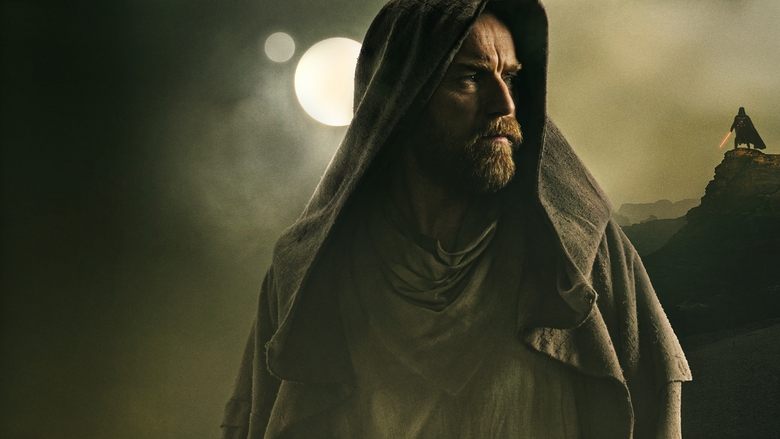
Obi-Wan Kenobi
During the reign of the Galactic Empire, former Jedi Master, Obi-Wan Kenobi, embarks on a crucial mission to confront allies turned enemies and face the wrath of the Empire.
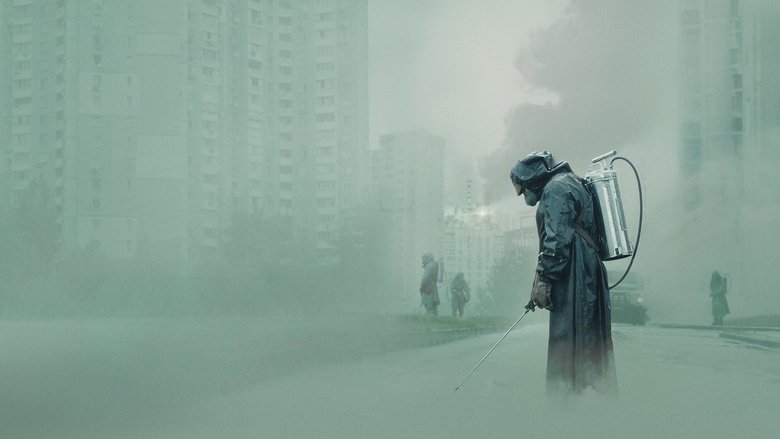
Chernobyl
The true story of one of the worst man-made catastrophes in history: the catastrophic nuclear accident at Chernobyl. A tale of the brave men and women who sacrificed to save Europe from unimaginable disaster.

Squid Game
Hundreds of cash-strapped players accept a strange invitation to compete in children's games. Inside, a tempting prize awaits — with deadly high stakes.

All of Us Are Dead
A high school becomes ground zero for a zombie virus outbreak. Trapped students must fight their way out — or turn into one of the rabid infected.

Castlevania
A vampire hunter fights to save a besieged city from an army of otherworldly beasts controlled by Dracula himself.

Halo
Depicting an epic 26th-century conflict between humanity and an alien threat known as the Covenant, the series weaves deeply drawn personal stories with action, adventure and a richly imagined vision of the future.
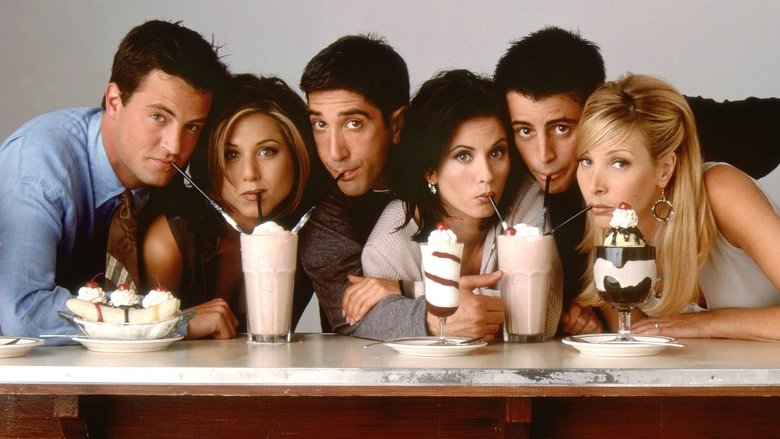
Friends
Six young people from New York City, on their own and struggling to survive in the real world, find the companionship, comfort and support they get from each other to be the perfect antidote to the pressures of life.

Star Wars: Skeleton Crew
Four ordinary kids search for their home planet after getting lost in the Star Wars galaxy.

Homeland
CIA officer Carrie Mathison is tops in her field despite being bipolar, which makes her volatile and unpredictable. With the help of her long-time mentor Saul Berenson, Carrie fearlessly risks everything, including her personal well-being and even sanity, at every turn.
Reviews
No reviews available yet.