
Connections
Taking an interdisciplinary approach to the history of science and invention, Connections explores an "Alternative View of Change" that rejects the conventional linear and teleological view of historical progress. To demonstrate this view, Burke begins each episode with a particular event or innovation in the past (usually ancient or medieval) and traces a path from that event through a series of connections to a fundamental and essential aspect of the modern world.
Seasons
Taking an interdisciplinary approach to the history of science and invention, Connections explores an "Alternative View of Change" that rejects the conventional linear and teleological view of historical progress. To demonstrate this view, Burke begins each episode with a particular event or innovation in the past (usually ancient or medieval) and traces a path from that event through a series of connections to a fundamental and essential aspect of the modern world.

1. The Trigger Effect
Both the beginning and the end of the story are here. The end is our present dependence on complex technological networks illustrated by the NYC power blackouts. Life came almost to a standstill: support systems taken for granted failed. How did we become so helpless? Technology originated with the plow and agriculture. Each invention demands its own follow-up: once started, it is hard to stop. This segment ends in Kuwait, where society has leapt from ancient Egypt to the technology of today in 30 years.

2. Death In The Morning
How did a test of gold's purity revolutionize the world 2500 years ago and lead to the atomic bomb? Standardizing precious metal in coins stimulated trade from Greece to Persia, causing the construction of a huge commercial center and library at Alexandria. This wealth of nautical knowledge aided navigators 14 centuries later. Mariners discovered that the compass's magnetized needle did not point directly north. Investigations into the nature of magnetism led to the discovery of electricity, radar and to the atomic bomb.

3. Distant Voices
Telecommunications exist because the Normans wore stirrups at the Battle of Hastings- a simple advance that caused a revolution in the increasingly expensive science of warfare. Europe turned its attention to making money to wage wars. As mine shafts were dug deeper, they became flooded, stimulating scientists like Galileo to investigate vacuums, air pressure and other natural laws to mine deeper silver. This led to the discovery of electricity and magnetism's relationship and to the development of radio, and deep space telecommunications that may enable contact with galactic civilizations.

4. Faith in Numbers
Each development in the organization of systems (political, economic, mechanical, electronic)influences the next, by logic, by genius, by chance, or by utterly unforeseen events. The transition from the Middle ages to the Renaissance was influenced by the rise of commercialism, a sudden change in climate, famine and the Black Death, which set the stage for the invention of the printing press.

5. The Wheel of Fortune
The power to see into the future with computers originally rested with priest-astronomers who knew the proper times to plant and harvest. The constellations influenced life spectacularly, particularly when the ailing Caliph of Baghdad was cured by an astrologer using Greek lore. His ancient medical secrets were translated and spread throughout Europe, ushering in an era of scientific inquiry. The need for more precise measuring devices in navigation gave rise to the pendulum clock, the telescope, forged steel and interchangeable machine parts-the basis of modern industrial system.

6. Thunder In The Skies
A dramatically colder climate gripped Europe during the 13th century profoundly affecting the course of history for the next seven centuries. The changes in energy usage transformed architecture and forced the creation of new power sources. The coming of the Industrial Revolution, spurred on by advances in the steam engine, scarred England indelibly: but a moment in history later, gasoline-powered engines opened the way to the heavens.

7. The Long Chain
Often, materials discovered by accident alter the course of the world. In the 1600s Dutch commercial freighters controlled Atlantic trade routes. Competing British lines induced America to produce pitch to protect hulls of their royal vessels. This arrangement lasted until 1776, after which a Scottish inventor tried to produce pitch from coal tar. By the time he succeeded the navy was using copper instead. Subsequent experiments with coal tar yielded gaslight lamps, waterproofed garments, a brilliant mauve dye that established the German chemical industry and nylon, the first of the miracle plastics.
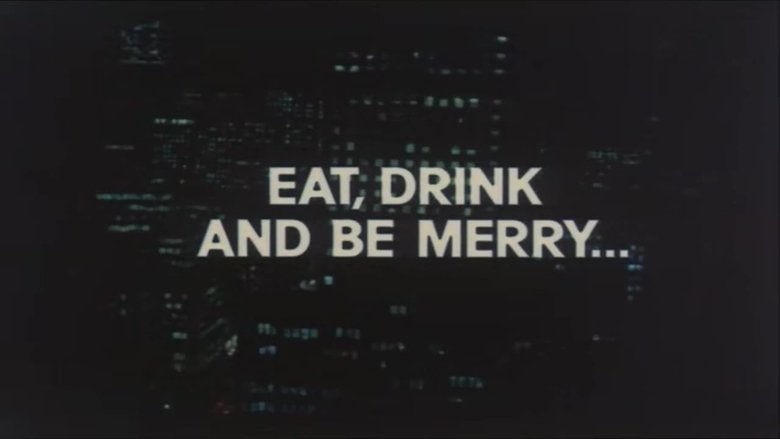
8. Eat, Drink, and Be Merry
When Napoleon marched huge forces across Europe, he needed an efficient way to store provisions. A Frenchman preserved sterilized food in empty champagne bottles, an idea modified by the British, who tried tin cans. Still, canned foods sometimes spoiled, which led to experiments with refrigeration. Later, it was discovered that gases may be stored at very low temperatures in a thermos flask, a device handy for picnics, for polar explorers and for, storing large quantities of liquid oxygen and hydrogen. When lit by a spark these gases can send rockets into space.

9. Countdown
What happens when you combine a carbon arc light, a billiard ball coating, a spoked wheel and consecutive images? Motion pictures! Complex and sometimes incredible events led to Thomas Edison's remarkable invention; the beginnings of limelight on a Irish mountain; George Eastman's production of celluloid from the slightly explosive gun cotton; the ""magic lantern"" of an Austrian ballistics teacher. Then Eadweard Muybridge settled a bet in 1872 by photographs; does a horse raise all four feet when galloping? (Yes.) Today moving pictures, together with television, are enormously powerful mass media. Have we become trapped by our own technology?

10. Yesterday, Tomorrow, and You
"Why did we do it this way?" Essential moments from the previous programs are reviewed to illustrate the common factors that make for change. Will they go on operating to affect our futures? And if so, can we recognize them? The second half looks at the extent to which we have become increasingly incapable of understanding how change occurs in our complex world and at why we are in such a predicament. Finally, there is a look ahead to the need for radical change in the availability and use of information in the future, if we are to remain in control of our destinies.
Cast
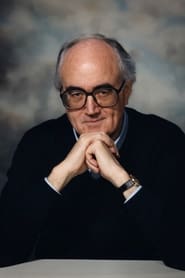
James Burke
Self - Presenter
More Like This

Under a Dark Sun
On the run from her troubled past, a young mother is accused of killing her new boss at a flower farm just before discovering he's actually her father.

Red Dwarf
The adventures of the last human alive and his friends, stranded three million years into deep space on the mining ship Red Dwarf.
Alcatraz
A unique team, consisting of a federal agent, a police officer and a conspiracy theory novelist, investigate the shocking reappearance of Alcatraz's most notorious prisoners, fifty years after they supposedly vanished.
The Inbetweeners
Those who remember the awkward years of adolescence can relive those painful days in this British comedy series, where the cringe-inducing humor arises from the ill-fated antics of its four protagonists. Suburban teenage friends Will, Simon, Jay and Neil, students at Rudge Park Comprehensive, attempt to navigate the social scene, attract members of the gentler sex, and saunter among the cool crowd. However, despite their best efforts, the four hapless lads usually end up on the side of the nerds.
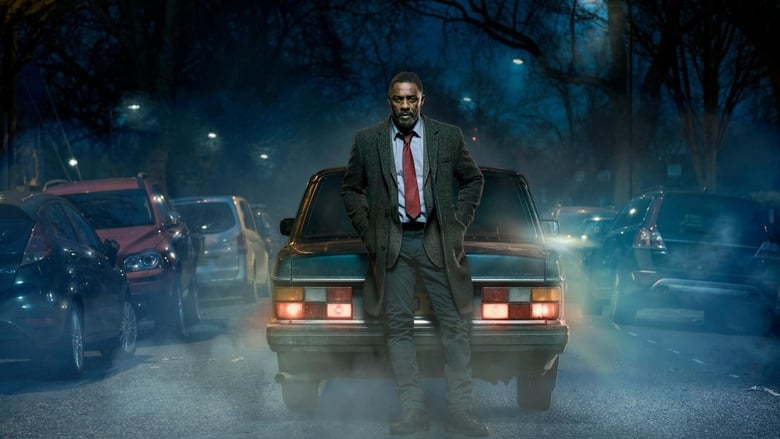
Luther
A dark psychological crime drama starring Idris Elba as Luther, a man struggling with his own terrible demons, who might be as dangerous as the depraved murderers he hunts.
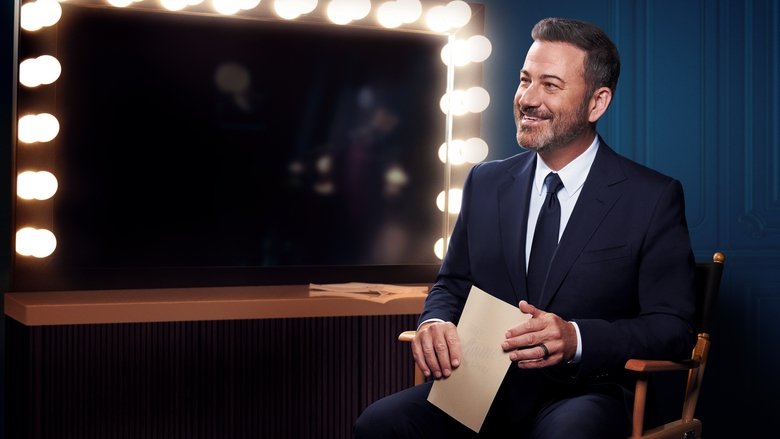
Jimmy Kimmel Live!
Jimmy Kimmel Live! is an American late-night talk show, created and hosted by Jimmy Kimmel and broadcast on ABC.
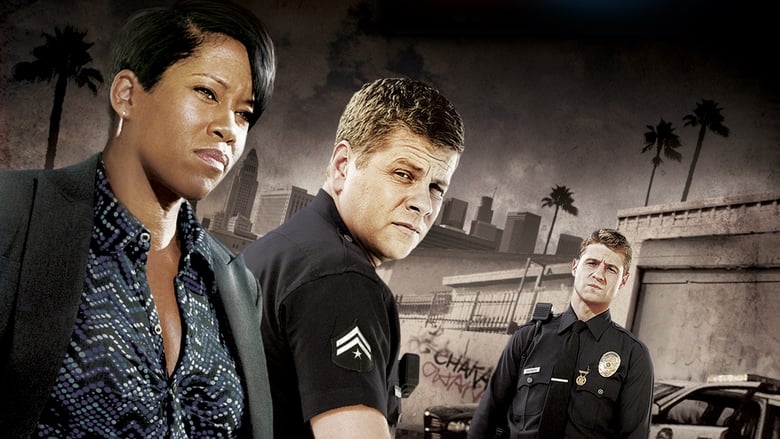
Southland
A raw and authentic look into the Los Angeles crime scene, going far inside the lives of cops, criminals, victims and their families. The show centers on four main characters: Officer John Cooper, a seasoned cop who will have to prove himself again after recovering from surgery; Officer Ben Sherman, who still has much to learn after recently completing his training rotation; Detective Lydia Adams, whose unending caseload hits closer to home; and Sammy Bryant, a former detective who decided to go back to being a uniform cop after the traumatic death of his partner.
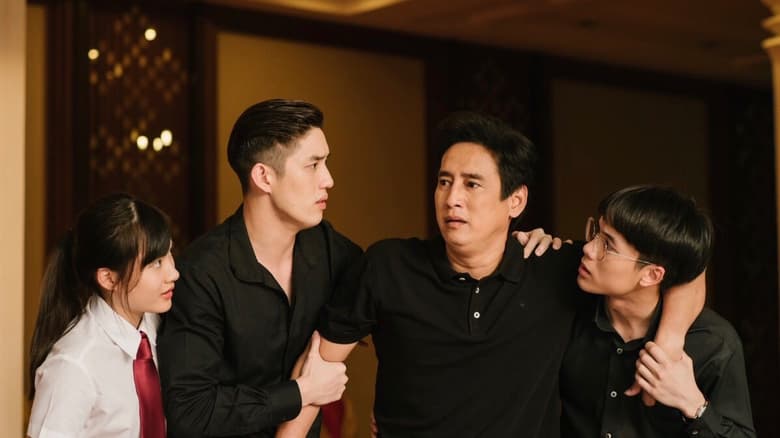
In Family We Trust
The story revolves around an extended Thai Chinese family whose members' seemingly happy relationships devolve into conflict following murder of the eldest son and head of the family business.
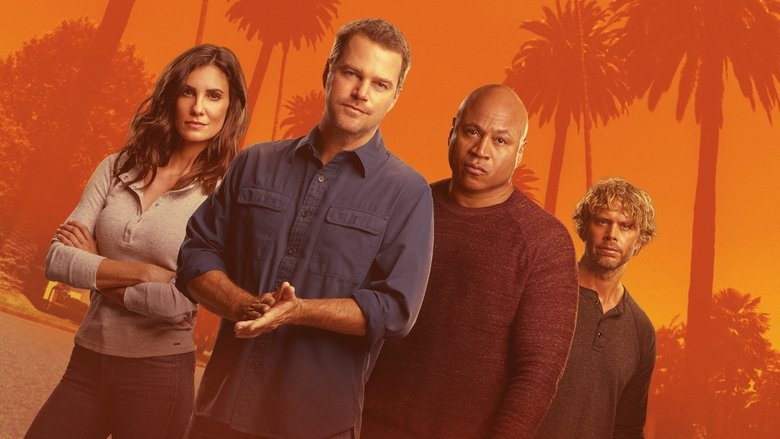
NCIS: Los Angeles
The exploits of the Los Angeles–based Office of Special Projects (OSP), an elite division of the Naval Criminal Investigative Service that specializes in undercover assignments.
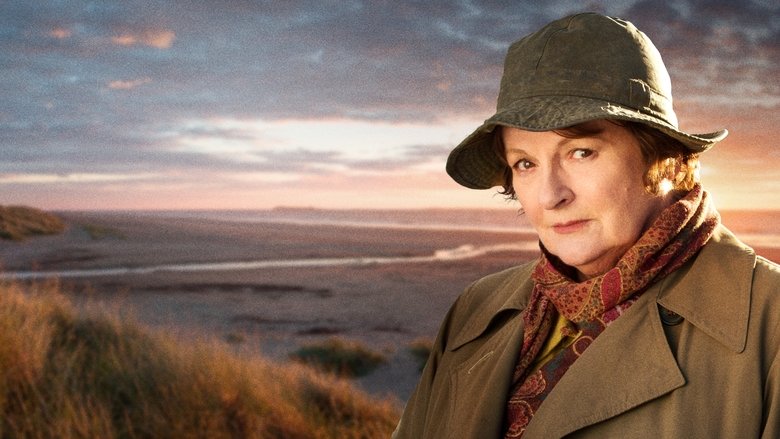
Vera
A sharp detective with a messy life, DCI Vera Stanhope patrols her “patch” of northeast England, pursuing the truth in cases of murder, kidnapping, and blackmail. Vera is obsessive about her work and faces the world with caustic wit, guile and courage.
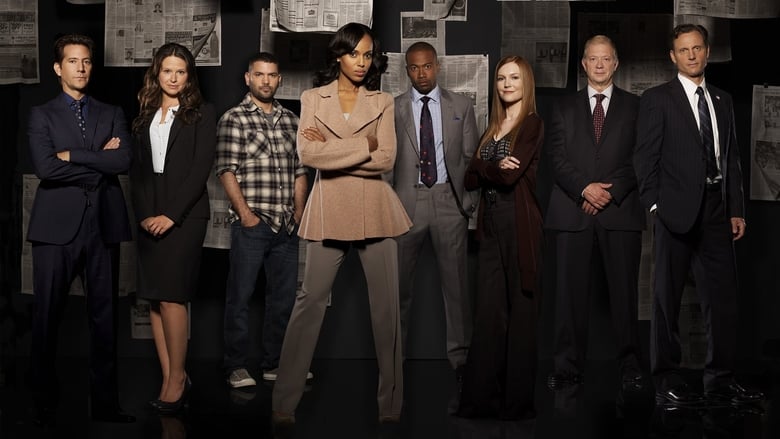
Scandal
Everyone has secrets and Olivia Pope has dedicated her life to protecting and defending the public images of the elite by keeping those secrets under wraps. Pope and her team are at the top of their game when it comes to getting the job done for their clients, but it becomes apparent that these "gladiators in suits," who specialize in fixing the lives of other people, have trouble fixing those closest at hand -- their own.
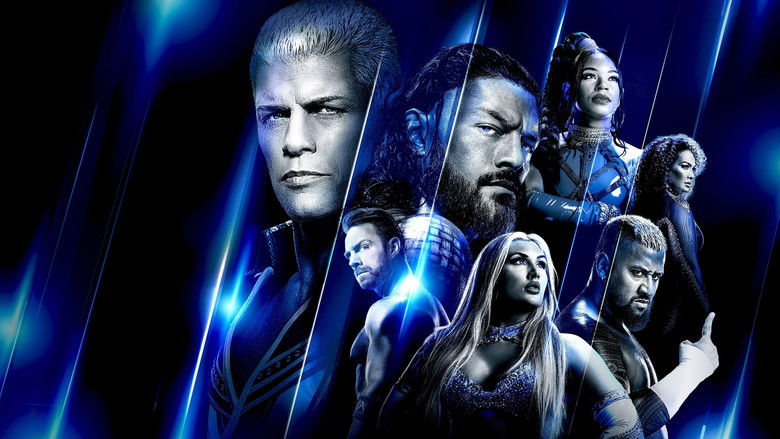
WWE Friday Night SmackDown
The superstars of World Wrestling Entertainment's "SmackDown" brand collide each and every Friday on WWE Friday Night SmackDown.
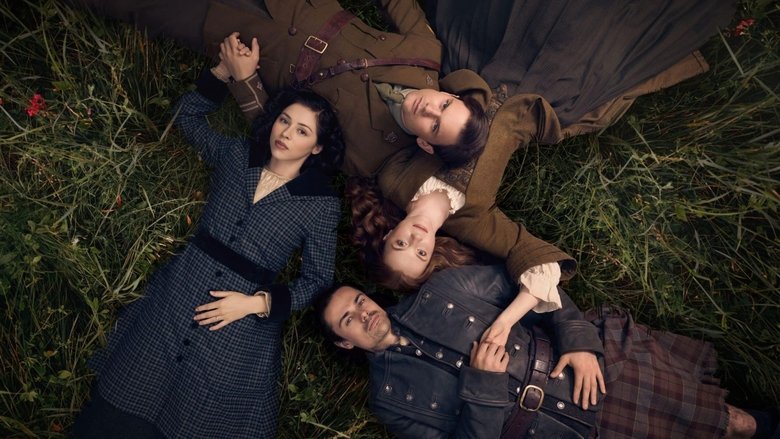
Outlander: Blood of My Blood
From the battlefields of World War I to the rugged Highlands of 18th century Scotland, two fated couples must defy the forces that seek to tear them apart, unfolding in surprising and unforeseen ways in this romantic saga that unfolds across time.

The Office
Nightmare boss. Tedious colleagues. Pointless tasks. Welcome to Wernham Hogg. Fancy a tea break with David Brent? Classic comedy from the archive.
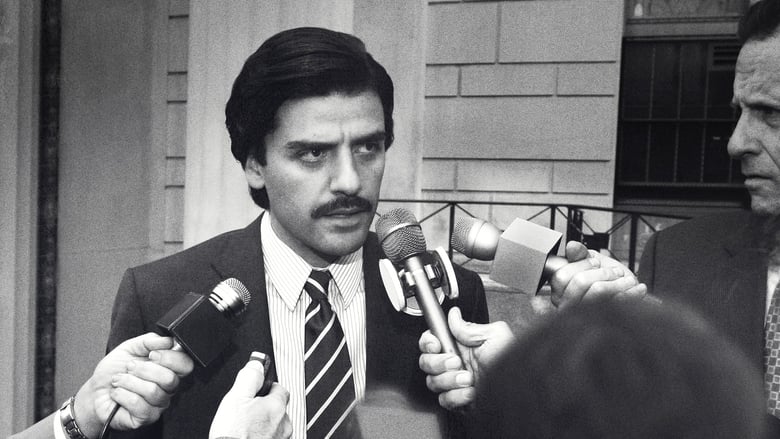
Show Me a Hero
Mayor Nick Wasicsko took office in 1987 during Yonkers' worst crisis when federal courts ordered public housing to be built in the white, middle class side of town, dividing the city in a bitter battle fueled by fear, racism, murder and politics.
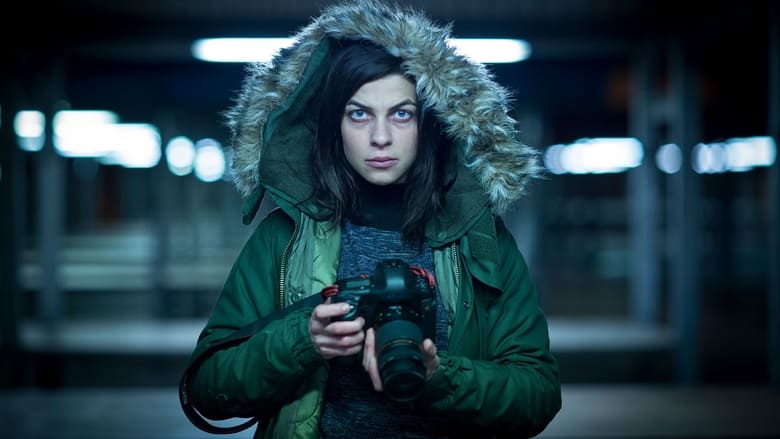
Residue
The government cover-up of the causes behind a massive explosion in a futuristic UK metropolis spur photo journalist Jennifer Preston on to search for the truth and in the process blow open a paranormal phenomenon haunting the city.
The First 48
The First 48 follows detectives from around the country during these first critical hours as they race against time to find the suspect. Gritty and fast-paced, it takes viewers behind the scenes of real-life investigations with unprecedented access to crime scenes, autopsies, forensic processing, and interrogations.
American Crime
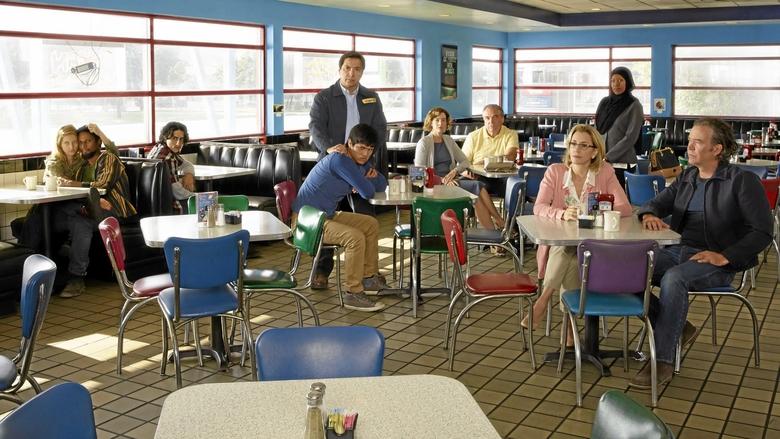
An anthology drama focusing on all aspects of the U.S. criminal justice system dealing with crimes committed in America.

David Copperfield
A young man journeys from a difficult childhood to maturity, exploring social injustice, personal development, and the complexities of human relationships.
Criminal Minds: Beyond Borders
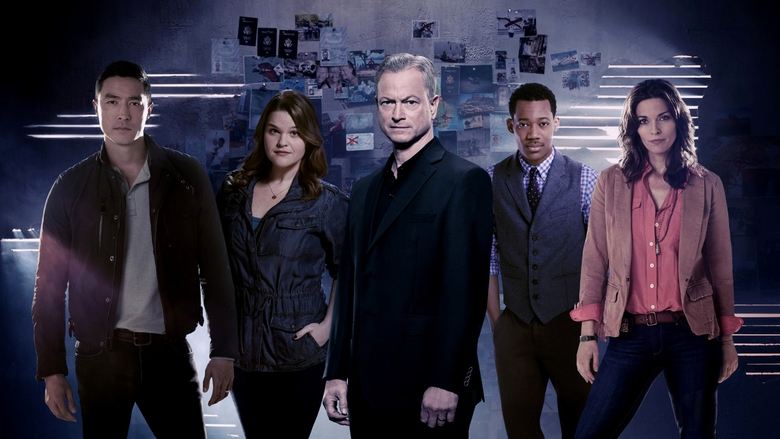
Criminal Minds: Beyond Borders is a drama about the specialized International Division of the FBI tasked with solving crimes and coming to the rescue of Americans who find themselves in danger while abroad.
Reviews
No reviews available yet.