
Foundations: An Overview of Systematic Theology
In Foundations: An Overview of Systematic Theology , R.C. Sproul shows that the truths of Scripture relate to each other in perfect harmony. This eye-opening series addresses a myriad of questions about the origin and authority of the Bible, God, the Trinity, man, sin, salvation, revelation, miracles, the church, the end times, and more.
Trailers & Videos
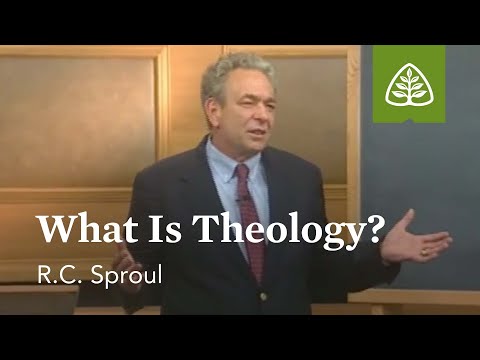
What Is Theology?: Foundations - An Overview of Systematic Theology with R.C. Sproul
Seasons
In Foundations: An Overview of Systematic Theology , R.C. Sproul shows that the truths of Scripture relate to each other in perfect harmony. This eye-opening series addresses a myriad of questions about the origin and authority of the Bible, God, the Trinity, man, sin, salvation, revelation, miracles, the church, the end times, and more.

1. What is Theology?
There is much confusion behind the word theology. While most disciplines such as biology or zoology are commonly understood, the study of God is usually a foreign concept. In this lesson, Dr. Sproul defines the term theology as a subject that encompasses all of what God has revealed generally and specially.
2. Scope & Purpose of Theology
Why do we continue to study theology even after many learned scholars have developed comprehensive systems of thought? In this lesson, Dr. Sproul explains that the scope and purpose of our study of theology is ultimately to be instructed by God and to grow in obedience to Him.
3. General Revelation & Natural Theology
While Scripture is the supreme source of revelation concerning God, it is not the only source. The Bible tells us that we can clearly see God’s eternal power and divine nature in the created realm. In this lesson, Dr. Sproul affirms the biblical truth that general revelation and natural theology are sufficient to leave all people without excuse.
4. Special Revelation
While God has revealed Himself to us in creation, the knowledge necessary for salvation is revealed to us only in Scripture. In this lesson, Dr. Sproul maintains that God has given us direct revelation of Himself through sacred Scripture and that Jesus Christ is the fullness of His revelation.
5. Inspiration & Authority of Scripture
The Reformation slogan sola Scriptura, meaning “Scripture alone,” has its origins in Martin Luther’s conflict at the Diet of Worms. The Reformers firmly believed that the Bible is the very Word of God. In this lesson, Dr. Sproul highlights how the Reformers’ stance on the inspiration and authority of Scripture is relevant for the study of theology today.
6. Infallibility & Inerrancy
Scripture’s infallibility and inerrancy have come under attack, particularly through the rise of higher criticism in recent centuries. In this lesson, Dr. Sproul defines infallibility and inerrancy and explains why they are critically important for the Bible to serve as the authoritative rule for faith and life.
7. Canonicity
The question of canon asks, How do we know the right books have been included in the Bible? In this lesson, Dr. Sproul explores this question and discusses the scope of the Scriptures and how far the canon of Scripture extends.
8. Scripture & Authority
God does not give us Scripture to be an abstract doctrine but to be His divine Word that fully equips us to be men and women of God. In this lesson, Dr. Sproul walks through Scripture’s nature, origin, and authority, and considers how the Bible’s authority relates to the church.
9. Knowledge of God
Even though our knowledge of God is neither exhaustive nor comprehensive, we can still speak about Him in a way that is meaningful and true. In this lesson, Dr. Sproul reminds us that God has spoken to us in terms that we can understand and that He has made us in His image, which enables meaningful communication between God and us.
10. One in Essence
The oneness of God is so central to the religious life of His people that the book of Deuteronomy commands it to be taught to their children on a daily basis. In this lesson, Dr. Sproul discusses the truth that our God is one in essence.
11. Three in Person
Many argue the doctrine of the Trinity is a contradiction and that Christians worship three gods instead of one. In this lesson, Dr. Sproul demonstrates that, while the doctrine of the Trinity is mysterious, it is by no means contradictory
12. Incommunicable Attributes
When we study the doctrine of God, one of the most important things we’re concerned with is an understanding of His attributes. In this lesson, Dr. Sproul distinguishes between the communicable and the incommunicable attributes of God and the practical ramifications they have for our lives.
13. Communicable Attributes
God’s communicable attributes are those characteristics that He shares with His creation. In this lesson, Dr. Sproul explores the attributes of God and explains their importance for godly living.
14. The Will of God
Many obedient Christians earnestly wonder what God’s will is for their lives. However, when we discuss the will of God, we need to make a distinction between God’s revealed will and God’s hidden will. In this lesson, Dr. Sproul explores these distinctions and explains how to apply them according to His Word.
15. Providence
The secular mind-set says that God is a spectator in heaven with no control over what happens on earth. Yet Christians have always had an acute sense that this is our Father’s world and that the affairs of men and nations are in His hands. In this lesson, Dr. Sproul highlights that God is actively involved in preserving His creation, even working His will through our intentional decisions.
16. Creation Ex Nihilo
God created all things ex nihilo, “out of nothing.” By the command of His word, all things came into being. In this lesson, Dr. Sproul introduces the Christian doctrine of creation and shows how it is different from secular and atheistic views of creation.
17. Angels & Demons
Modern man is critical of anything supernatural, but belief in angels and demons is an important part of the Christian faith. In this lesson, Dr. Sproul uses Scripture to explain the role of ministering spirits and the reality of Satan and demons.
18. The Creation of Man
Various theories of evolution and humanism have changed culture’s understanding of man’s origin and being. In this lesson, Dr. Sproul defines human beings in terms of their dignity as creatures made in the image of God.
19. The Nature of Sin
The full measure of sin and its effects in the world are often overlooked, but the Christian doctrine of sin sees the vastness of the problem and takes it very seriously. In this lesson, Dr. Sproul describes the impact of the fall in nature, in our relationship with God, and in our relationships with others.
20. Original Sin
The extent and scope of the nature of sin leads to the question of original sin. In this lesson, Dr. Sproul discusses the concept and consequence of the first sin and the controversy surrounding this doctrine.
21. Transmission of Sin
The connection between Adam’s sin and the sins of humanity is explained in the doctrine of the transmission of a sin nature. In this lesson, Dr. Sproul compares the transmission of Adam’s sin and the transfer of Christ’s righteousness as the second Adam.
22. The Covenants
In Scripture, God relates to His people according to covenant. In this lesson, Dr. Sproul outlines the three major covenants that serve as the framework of Scripture.
23. The Christ of the Bible
Christology, the doctrine of the person and work of Christ, is foundational for Christian theology. In this lesson, Dr. Sproul paints a picture of the complexities and greatness of Christ as proclaimed from Genesis to Revelation.
24. The Christ of the Creeds
The early church faced much controversy over the doctrine of Christ. The councils of Nicaea and Chalcedon both aimed to clarify the biblical teaching on Christ’s person. In this lesson, Dr. Sproul walks through the controversies over Christ’s person and describes Him as both truly God and truly man.
25. The Names of Christ
The different titles of Christ in history are descriptive of His character and nature. In this lesson, Dr. Sproul examines the prominent names of Christ found in the New Testament.
26. The States of Christ
The states of Christ refer to Christ’s role or activity at various times throughout His life and existence. In this lesson, Dr. Sproul covers the states of Christ all the way from His preincarnate existence to His final return.
27. The Offices of Christ
The offices of Christ are connected to Christ’s role as mediator. In God’s plan for redemption, Christ serves a threefold office called the munus triplex. In this lesson, Dr. Sproul explains how Christ fulfills the Old Testament offices as our Prophet, Priest, and King.
28. Substitutionary Atonement
The classical view of Christ’s atonement as the substitutionary satisfaction of God’s justice is necessary for salvation. In this lesson, Dr. Sproul walks through the different aspects of Christ’s atonement found in Scripture.
29. Why Did Christ Die?
Though some consider the notion of substitutionary atonement to be barbaric, it is the only view of the atonement that fully satisfies the demands of God’s justice. In this lesson, Dr. Sproul lays out the significance of Christ’s death as a substitution and maintains that rejecting the doctrine of penal substitutionary atonement is paramount to rejecting Scripture itself.
30. The Extent of the Atonement
The most controversial issue in any discussion of Christ’s work as our Savior is the extent of Christ’s atonement. In this lesson, Dr. Sproul discusses the subject of limited atonement, also known as definite atonement, in addressing the question, For whom did Christ die?
31. The Holy Spirit in the Old Testament
Most people are confused by the work of the Holy Spirit in the lives of the Old Testament saints. In this lesson, Dr. Sproul begins a study of the person and work of the Holy Spirit by looking at His work within the context of the Old Testament, confirming His role in empowering individuals to carry out particular functions on behalf of God.
32. The Holy Spirit in the New Testament
It is by the Holy Spirit that the redemptive work of Christ is applied to the believer. It is through His work that they are granted spiritual life. In this lesson, Dr. Sproul continues his study of the Holy Spirit by looking at His work within the context of the New Testament, particularly in the work of regeneration.
33. The Paraclete
The Holy Spirit plays a vital role in the lives of believers and in the life of the church. He is the Paraclete, the Helper whom Christ promised to send. In this lesson, Dr. Sproul explains the importance of the Spirit’s role as the promised Comforter whom God has sent to be with His people in the midst of a hostile world.
34. The Baptism of the Holy Spirit
Have you been asked, “Are you baptized in the Holy Spirit?” What does that mean? In this lesson, Dr. Sproul discusses “the baptism of the Holy Spirit,” as well as the related phenomenon of speaking in tongues and the false distinction between conversion and baptism in the Spirit.
35. The Gifts of the Spirit
Christ has given the church gifts of the Holy Spirit to edify and strengthen the entire body. In the lesson, Dr. Sproul explores the different views of spiritual gifts and examines the validity of spiritual gifts in the context of our day.
36. The Fruit of the Holy Spirit
The chief goal of the Holy Spirit is to apply the gospel in such a way as to fulfill the will of God. In this lesson, Dr. Sproul details and describes the fruit of the Spirit so that we as Christians might know how to pursue it in our lives.
37. Are Miracles for Today?
In the church today, miracles are a subject of debate. Should we expect miracles to occur in the contemporary church, or did miracles cease at the end of the Apostolic age? In this lesson, Dr. Sproul explains in detail some of the issues surrounding the question of whether miracles occur today.
38. Common Grace
According to the classic definition, grace is unmerited or unearned favor. In this lesson, Dr. Sproul builds on this understanding and makes the important distinction between common (universal) grace and special (salvific) grace.
39. Election & Reprobation
When trying to understand God’s decrees, believers come face-to-face with the difficult doctrine of predestination. In this lesson, Dr. Sproul explores many of the challenging questions that arise when we consider the relationship between salvation and the sovereign decrees of God.
40. Effectual Calling
What is it that God does when He intervenes in a person’s life to bring them to faith? In this lesson, Dr. Sproul addresses this important question as he distinguishes between the views of monergism and synergism. Is it God alone who changes the heart of the sinner, or does this change of heart rest also on the willingness of the sinner?
41. Justification by Faith Alone
The doctrine of justification by faith is so significant that it provoked the Protestant Reformation of the sixteenth century. In this lesson, Dr. Sproul defines justification and its necessary components.
42. Saving Faith
What is saving faith? This question received a deserved amount of attention at the time of the Reformation, and it should receive just as much attention from us today. In this lesson, Dr. Sproul examines the three ingredients of saving faith asserted by the Reformers.
43. Adoption & Union with Christ
To be part of the family of God is a gift. It is not something that believers earn, nor is it something that they have by the sheer virtue of being human. In this lesson, Dr. Sproul explains the special privilege of being a child of God through adoption and union with Christ.
44. Sanctification
When someone has been justified by faith in Christ, the transformative work of sanctification begins. In this lesson, Dr. Sproul discusses the path of sanctification in the Christian life and the impact that it has for believers’ growth in grace.
45. Perseverance of the Saints
The New Testament gives us confidence that God is going to preserve His own and bring His work of redemption to completion. In this lesson, Dr. Sproul addresses the question of whether Christians have the ability to lose their salvation.
46. Biblical Images of the Church
Ecclesiology is the subdivision of systematic theology that has to do with the nature, function, and mission of the church. In this lesson, Dr. Sproul defines the true meaning of the church as the people of God from the aspects of the visible and invisible church.
47. The Church: One & Holy
The qualities of the church are reflected in the New Testament imagery of the church as one body and a building with one sure foundation. In this lesson, Dr. Sproul explains the unity and diversity within the one church.
48. The Church: Catholic & Apostolic
The characteristics of the church as catholic and Apostolic are often misunderstood by Protestants today. In this lesson, Dr. Sproul defines these terms according to the universal nature and Apostolic foundation of the church
49. Worship in the Church
Worship is the central purpose of the church and therefore should not be neglected or overlooked. In this lesson, Dr. Sproul takes a look at the question, What is true worship?
50. The Sacraments of the Church
The sacraments of baptism and the Lord’s Supper have caused considerable controversy within the church, but for good reason. In this lesson, Dr. Sproul explains the importance and seriousness of the sacraments as gifts of Christ to the church.
51. Baptism
Baptism is a significant moment in every Christian’s life because it is an sacrament instituted by Christ as a sign and seal of God’s promises. In this lesson, Dr. Sproul answers important questions surrounding the meaning, origin, and significance of baptism.
52. The Lord's Supper
Throughout church history, the sacrament of the Lord’s Supper has been a central concern of the church. In this lesson, Dr. Sproul introduces and distinguishes between the Roman Catholic, Lutheran, and Reformed views of the Lord’s Supper.
53. Death & the Intermediate State
Eschatology is the study of the last days and our future hope of redemption. As such, it deals with the most perplexing problems of life: death. In this lesson, Dr. Sproul discusses the last enemy and helps us understand what happens to God’s people when they die.
54. The Resurrection
For the Christian, the soul lives on in heaven after death until it is reunited with the body at the second coming of Christ. In this lesson, Dr. Sproul teaches the future hope of the resurrection of the body for the Christian and the nature of our glorified resurrected bodies.
55. The Kingdom of God
The coming of Christ was the inauguration of the kingdom of God, which will be fully manifest at the end of time. In this lesson, Dr. Sproul explains the nature of God’s kingdom and the fundamental task of the church in relation to it.
56. The Millennium
The millennium is the thousand-year reign of Jesus Christ, a period which has been interpreted with much variation. In this lesson, Dr. Sproul discusses the various views regarding the order and nature of the millennial reign of Christ.
57. The Return of Christ
The return of Jesus has often been a source of controversy. Many have tried to determine when Christ will return even though Christ Himself revealed that no one knows the day or the hour of His return. In this lesson, Dr. Sproul mentions three aspects of the second coming of Christ that we can know.
58. The Final Judgment
When we stop to think about all that we have said and done in our lives and how God will judge us, it is sobering to say the least. How should we, as Christians, view the final judgment? In this lesson, Dr. Sproul builds on our understanding of the final judgment and explains why those who are in Christ do not need to fear judgment.
59. Eternal Punishment
The doctrine of hell is an unpopular teaching today, but that doesn’t change the fact that it is still a biblical teaching. We serve a holy God, and His just demands will not allow sin to go unpunished. In this lesson, Dr. Sproul defends the doctrine of hell as a just penalty for sin, a penalty that we all deserve apart from Christ.
60. The Believer's Final Rest
There are many things about heaven that have not been revealed to us. Yet, we know that in heaven Christians will experience a rest that none of us have experienced in this life. In this lesson, Dr. Sproul describes what to expect when we reach the final destination of the Christian life.
Cast
R.C. Sproul
Self
Reviews
No reviews available yet.