
How the Earth Was Made
HISTORY goes to the ends of the earth to find where our world began. Forged from fire and ice, formed by floods, volcanoes, asteroids and earthquakes, our planet tells a dynamic geological story. What are mega-tsunamis? What happens when you have millions of years of rain? Visual effects, location filming and stunning aerial photography bring viewers back 4.5 billion years to enjoy a unique window on our world. How the Earth Was Made peels back time like layers of rock to reveal the origins of the place we call home.
Available For Free On

Seasons

1. San Andreas Fault
The San Andreas Fault runs roughly 800 miles through some of the most valuable real estate in the world. The southern section hasn't had a significant quake for over 300 years and is now primed and ready for another "big one." This new series takes a trip along the most famous fault line in the world and examine the geology that gives it its immense destructive power. It's an investigation given new urgency by recent warnings from 300 of America's leading scientists about the death and devastation that a major earthquake on the fault could unleash on Los Angeles.

2. The Deepest Place on Earth
The Marianas Trench is the deepest place on earth, deeper than Mt. Everest is high. The trench is where the ocean floor disappears into the center of the earth. The pressures at this depth are 17 times greater than what it takes to crush a nuclear submarine. Only two men have ever been down the Trench, fewer than have set foot on the moon. Follow the daring missions into the abyss and explore the extraordinary geology that has created this deep scar along the ocean floor
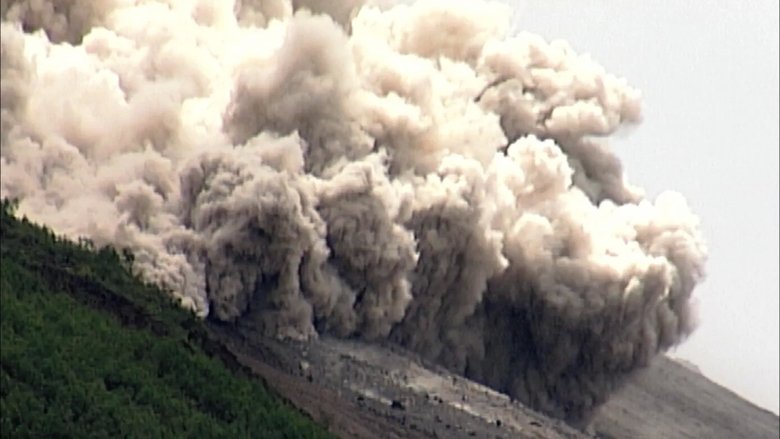
3. Krakatoa
On August 27th, 1883 a series of blasts on the island of Krakatoa culminated in a colossal explosion that blew the island apart in one of the largest eruptions in recorded history. We explore the underground forces that led to this extraordinary explosion that killed over 36,000 people and the devastation that it caused. But this is not just history because Anak Krakatoa (the Son of Krakatoa) is growing bigger and bigger and will blow again

4. Loch Ness
Home to the legend of the Loch Ness Monster, this lake holds more water than any other lake in Britain. It's only 10,000 years old, but billions of years in the making. Trace the extraordinary story of Loch Ness: from the three billion year old bedrock of Northern Scotland, to the giant glaciers that carved out the Loch. On this incredible journey we reveal that Loch Ness was once part of America, giant dinosaurs, suspiciously similar to the fabled monster once roamed the area, and that the entire region was engulfed by huge volcanic eruptions as Scotland was ripped from its birth place on the American continent. Could the mythical Loch Ness monster be a descendant of the dinosaurs, somehow surviving in the murky waters of the loch

5. New York
It is one of the most man-made spaces on the planet, but everything in New York from the height of the skyscrapers to the way the subway was constructed to the position of the harbor is governed by the extraordinary forces that ultimately shaped this city. You can tell the geology of Manhattan at a glance by looking at the skyline. The skyscrapers of Midtown and Downtown are built on hard granite; the low-rise buildings in between are built on a soft, gravelly soil left over from the Ice Age. Learn how New Jersey and North Africa were neighbors 250 million years ago, how the rocks New York are built on are the remains of mountains that 450 million years ago were as tall as the Himalayas, and how Long Island is covered in rubble that remained as ice sheets retreated 10,000 years ago.

6. Driest Place on Earth
The Atacama desert is considered the driest place on Earth. Since human records of the area began, some places have never received rain. But the records don't stop there--the Atacama is also the oldest desert in the world, and recently it has been dated to an amazing 150 million years old. Other research shows that the surface of this desert is also incredibly ancient, with boulders lying there that have not moved for over 23 million years--more than 50 times longer than it's taken for our human species to evolve. The soil is so dry, it has been used as a test bed for the Mars rovers. And though the desert was once thought to be completely lifeless, strange bacteria discovered there have given scientists new hope that they might find life on the red planet. Atacama is also home to the largest copper mine in the world. Inspect the riddle of the Atacama and uncover how this extraordinarily dry landscape was created.
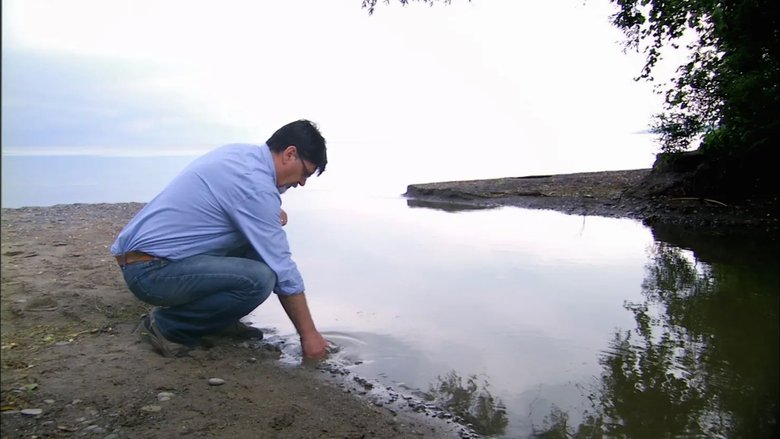
7. Great Lakes
Scientists seek clues to the formation of North America's Great Lakes, the largest expanse of fresh water on the planet; delving into an underground salt mine; investigating a fossilized coral reef; diving to the bottom of Lake Superior.
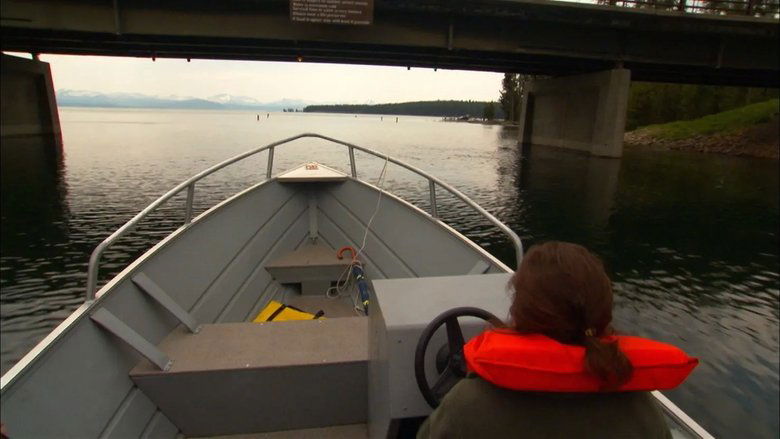
8. Yellowstone
Geologists evaluate Yellowstone National Park, one of the most dangerous geological features on Earth; the park is hit by 500 earthquakes in early 2009, raising concerns a super-volcano is beginning to stir.

9. Tsunami
Tsunamis are one of the most terrifying forces of nature, destroying all in their path. The December 26th Tsunami is estimated to have released the energy of 23,000 Hiroshima-type atomic bombs. What are the enormous forces that generate these catastrophic waves deep on the ocean floor? With 50% of the world's population living within a mile of the sea, this episode looks at what could happen in the future. East coast cities from New York to Miami face the threat of a truly colossal wave that could be generated by the collapse of an active volcano off the coast of Africa.

10. Asteroids
Asteroids might provide clues about the formation of early Earth; detective work uncovers that a big nickel deposit in Canada, vast oil reserves in the Gulf of Mexico and a gold mine in South Africa all resulted from asteroid impacts.

11. Iceland
It is the largest and most fearsome volcanic island on the planet. We'll scour the island for clues, to address the mystery of what powerful forces are ripping Iceland apart and lighting its fiery volcanoes. Here, lava rips huge tears in the ground and new islands are born from the waves. Yet despite the active volcanoes, Iceland historically has been covered in and carved by ice. Fire and ice collide, locked in a titanic battle, as glaciers explode and cataclysmic floods decimate the landscape. But Iceland's volcanoes have had ramifications far beyond the shores of Iceland, causing climatic chaos and devastation across the planet; a fate which may one day happen again.

12. Hawaii
The Hawaiian Islands are the most remote island chain on the planet. Emerging in the center of the Pacific, their origins have remained a puzzle for generations. Follow the story of the attempts to try and understand these beautiful, yet violent islands. It is a story of raging volcanoes, vast landslides, mega-tsunamis and strange forces emerging from the bowels of the planet. It reveals that Hawaii's Big Island is over 25 times bigger than Mt. Everest, that the entire Island chain is disappearing faster than any other land mass on Earth, and that volcanoes here might hold essential clues as to the inner workings of our planet.

13. The Alps
The jagged backbone of Europe, spanning seven countries and providing essential water to millions, the Alps are Europe's most important landmark. But how did marine fossils get here, seven thousand feet above sea level?
Cast
Corey Johnson
Self - Narrator
More Like This

David Baddiel on the Silk Road
Discovery Channel joins David Baddiel as he sets off on a 4,000 mile journey to explore the most famous trade route in history – the Silk Road. This four-part travelogue follows the comedian and novelist on the adventure of a lifetime, as he travels from Xi'an, China to Istanbul, Turkey to uncover a series of remarkable locations, mysteries and hidden gems, many unknown to the western world.
Cosmic Journeys
Cutting-edge stories about the origins of the universe, black holes, exploding stars, the search for ET life, and the nature of the planets. How did the universe begin? Where will it end? Are there other worlds like Earth?

Private Crimes
When a prominent businessman is found murdered, an ambitious newspaper reporter and a local police inspector will uncover a bizarre web of small-town corruption, violence and dark secrets.

Diary of Tootsies
After simultaneous heartbreaks, online diary writer Gus and his squad of queer BFFs navigate the ins and outs of dating to find true love.
Project Impossible
Follow a new generation of epic engineering projects that were considered unthinkable just a few years ago. Each episode features multiple stories that illustrate man-made projects that are crucial to our future.

Disney Twisted-Wonderland: The Animation
High school student Yuken is suddenly transported to Twisted Wonderland, a world of magic and wonder. Now, he must face monsters, whimsical magicians-in-training, and mysterious incidents, all without any magic of his own. Will Yu ever find a way back to his own world?

You Always Haunt My Heart
Kyoko Ogawa is a woman in her 20's and she works at an underwear company. Because of her mother, Kyoko Ogawa has suffered from low self-esteem since she was a child. She is also shaken by two men: Kojiro Yoshizaki and Ren Hoshina. Kojiro Yoshizaki works as an editor for a manga magazine. He is bright, funny and a nice person. Ren Hoshina is a guy that Kyoko Ogawa dated when she attended college. Ren Hoshina was able to see her weakness and was controlling over her. At her job at the underwear company, Ren Hoshina appears in front of her as her boss.
Le Gorille
The Guardian Legend
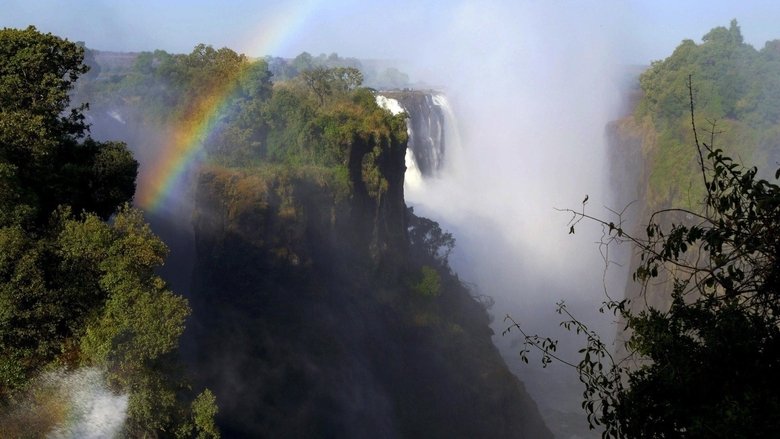
Southern Africa
Go on a tour to Southern Africa! Discover the diversity of its eight biotopes and its amazing wildlife.
Así es la vida
Así es la vida is a Peruvian television series produced by Efraín Aguilar for the América Televisión network with scripts by Gigio Aranda. It premiered on March 22, 2004 and ended on November 14, 2008.
Fireside Theater
Fireside Theater is an American anthology drama series that ran on NBC from 1949 to 1958, and was the first successful filmed series on American television. Stories were low budget and often based on public domain stories or written by freelance writers such as Rod Serling. While it was panned by critics, it remained in the top ten most popular shows for most of its run. It predated the other major pioneer of filmed TV in America, I Love Lucy, by two years.
To Remember

Bin El Sarayat
The series depicts the effect that Cairo University has on the local neighborhood of Bin El Sarayat and its people, and how the neighborhood offers services to the university and its students.
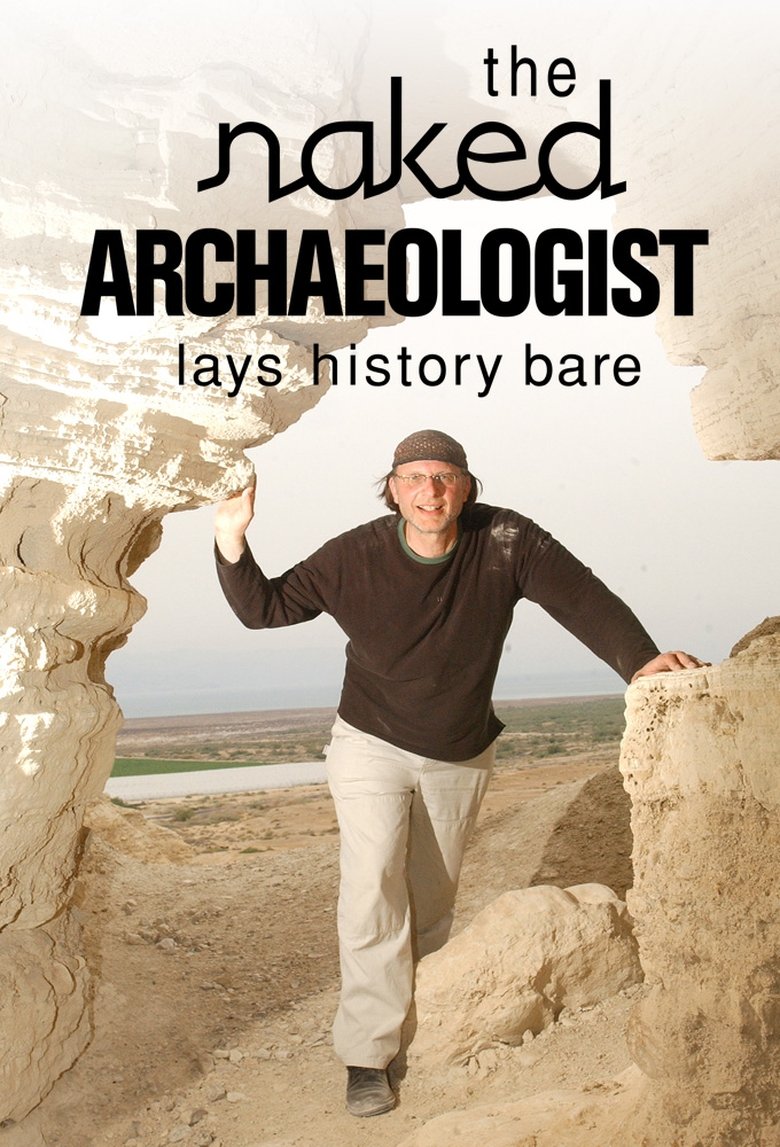
The Naked Archaeologist
The Naked Archaeologist is a television show produced for VisionTV in Canada and History International in the US that is hosted and prepared by the Emmy Award–winning journalist Simcha Jacobovici together with Avri Gilad. The show ultimately reviews Biblical stories, then tries to find proof for them by exploring the Holy Land looking for archaeological evidence, personal inferences, deductions, and interviews with scholars and experts. Subsequent to its original run on VisionTV, it was picked up in the U.S. by The History Channel and its sister network, History International. The third season began airing on Vision TV on March 22, 2010 and on History International on November 8, 2010.

The Artist's Adventures
An inside look at the professional and personal life of Andrey Batt. A peek inside the exploits and privileged adventures of the artist himself and his friends. Batt welcomes viewers into his unfiltered world of fame, relationships, sport and art.

Buurtwag
A South African television sitcom as an adaptation of the 2012 feature film Die Buurtwag, which tells the story of a young couple who find themselves crossing paths with an overly dramatic neighborhood watch, having recently relocated to the Cape from Gauteng.
Reviews
No reviews available yet.