
Production

Available For Free On

Trailers & Videos

Official Trailer
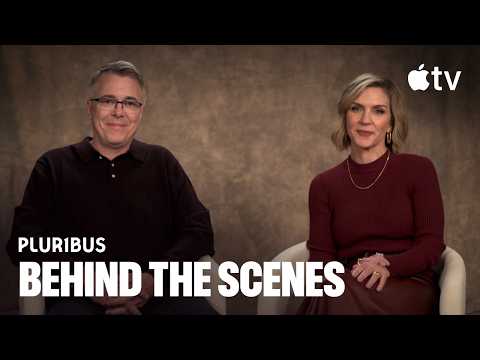
What On Earth Is Pluribus
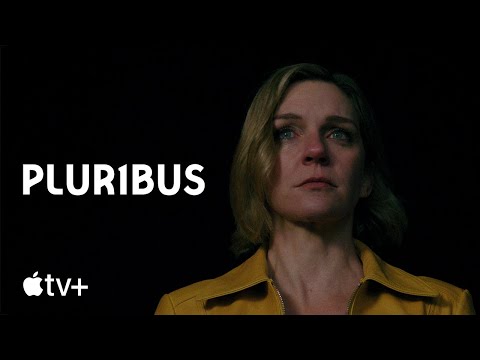
Official Teaser

Preparing for Takeoff

How's the Flight, Carol?

Taking Out the Trash

Welcome, Carol
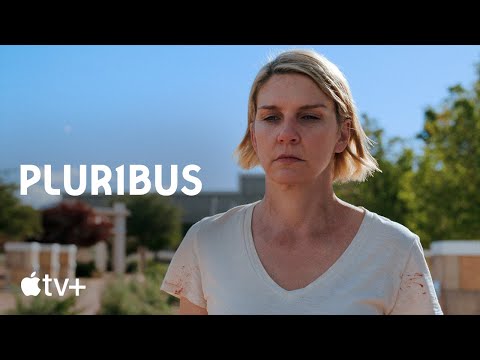
Sorry About the Blood

(202) 808-3981

Date Announcement
Seasons
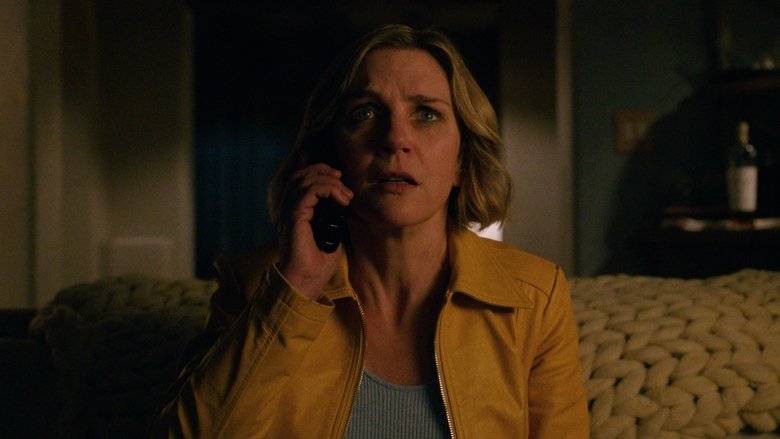
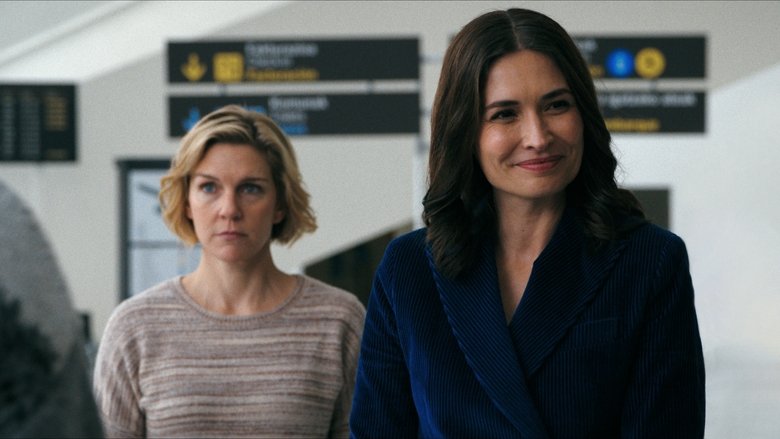
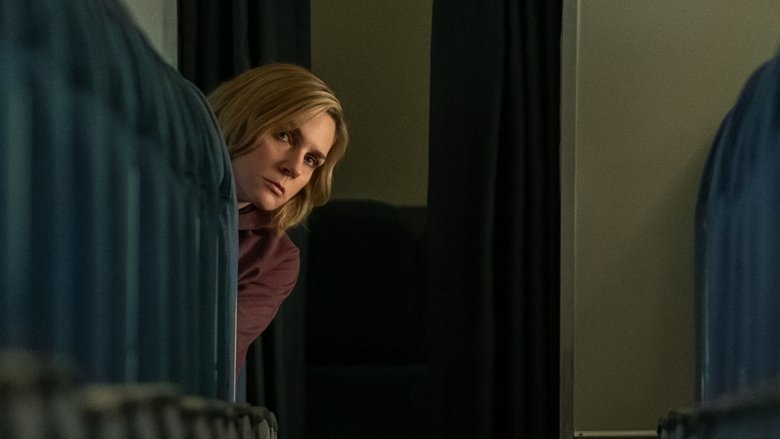
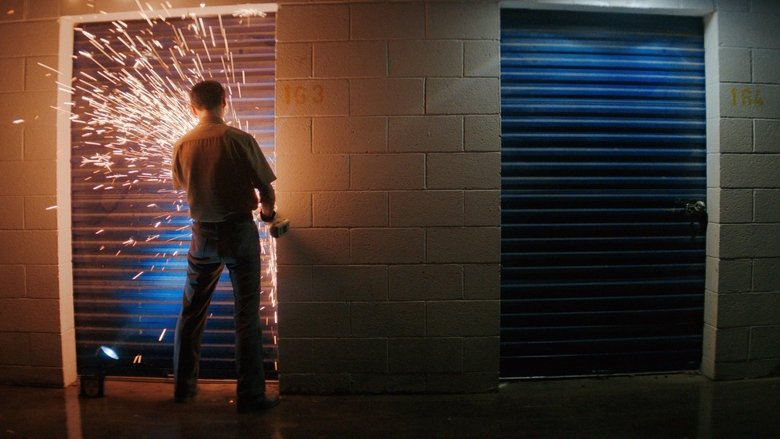
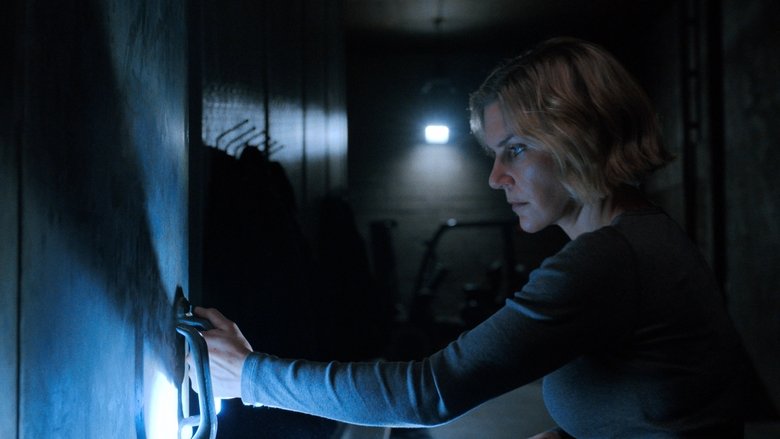
Pluribus follows Albuquerque author Carol Sturka, who is one of only 13 people in the world immune to the effects of the "Joining", an event in which an extraterrestrial virus transformed the rest of humanity into a peaceful and content hive mind known as the "Others". The hive mind happily accommodates the wishes of those who remain unaffected, but admits that it will ultimately seek to assimilate them when it learns how to do so. Carol is adamantly against their efforts as she searches for a way to reverse the Joining.


Cast
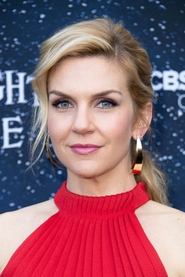

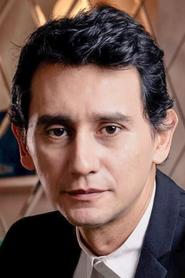
Reviews
Missy
**I love this show!**
> We just want you to be happy, … .
There are _a great many_ layers of insightful, funny, thoughtful, playful, tender, perceptive, … , and absolutely meaningful _relevance_!
This is a quality of _production_ that I can trust (seems to be Sony), _writing_ that is perceptive, and _performances_ that are thoroughly engaging!
> Of course, this is just _my_ opinion.
🤪
> I’m an independent woman!
I think? 😜
Marco-Hugo Landeta Vacas
(CASTELLANO) Hay series que te atrapan porque confirman lo que ya esperas de ellas. Y luego están las que te descolocan desde el primer episodio, casi sin pedir permiso. Aquí pasa claramente lo segundo. Llegó casi por accidente, después de terminar otra cosa, y en pocos minutos ya estaba claro que no iba a comportarse como una serie “normal”. No busca acomodarte, sino mantenerte ligeramente incómodo, atento, con la sensación de que no estás entendiendo todo… y de que eso forma parte del juego.
Lo que más impresiona es la idea de fondo y, sobre todo, cómo está dosificada. Nunca va por el sitio obvio, ni siquiera por el segundo más obvio. Cuando crees haber pillado qué es lo importante, la serie gira la mirada hacia otro lugar y te obliga a recolocarte. No es una provocación gratuita: es una forma muy consciente de contar, de guiar al espectador sin explicarle nada del todo. Da la sensación de que está pensada para confiar en tu inteligencia, no para tranquilizarte.
Se nota la mano de Vince Gilligan, no tanto por similitudes temáticas evidentes como por la precisión con la que todo está construido. Cada episodio parece medir muy bien qué enseñar y qué ocultar. Hay riesgo real, tanto en el tono como en las decisiones narrativas, y eso se agradece mucho en un panorama donde tantas series juegan sobre seguro. Aquí no hay miedo a incomodar ni a dejar preguntas flotando.
El trabajo de Rhea Seehorn es clave. Ya había demostrado de sobra de lo que era capaz, pero aquí tiene un espacio distinto, más áspero, menos complaciente. Su personaje sostiene la serie desde una mezcla muy particular de tensión, ironía y fragilidad contenida. No necesita subrayar nada; funciona precisamente cuando parece estar a punto de romperse y decide no hacerlo.
A nivel de ritmo, no siempre es cómoda. Hay momentos más densos, otros casi desconcertantes, pero nunca da la sensación de estar perdiendo el control. Más bien al contrario: parece avanzar exactamente como quiere, aunque eso implique ir a contracorriente. No busca el impacto constante, sino algo más persistente, que se quede dando vueltas después de cada episodio.
Lo único que deja una pequeña inquietud es la espera. Da la impresión de estar ante algo que todavía puede crecer más, y mucho. Ojalá no se haga eterna la llegada de la segunda temporada, porque lo que ya ha planteado merece continuidad. Es una serie valiente, extraña en el mejor sentido y profundamente estimulante. De esas que te recuerdan por qué sigues buscando cosas nuevas.
(ENGLISH) There are series that hook you because they confirm what you already expect from them. And then there are those that throw you off balance from the very first episode, almost without asking permission. This is clearly the second case. It arrived almost by accident, after finishing something else, and within minutes it was already clear that it wasn’t going to behave like a “normal” series. It doesn’t try to make you comfortable, but to keep you slightly uneasy, alert, with the feeling that you’re not fully understanding everything… and that this is part of the game.
What impresses most is the core idea and, above all, how it’s delivered. It never goes down the obvious path, not even the second most obvious one. When you think you’ve grasped what really matters, the series shifts its focus elsewhere and forces you to recalibrate. It’s not empty provocation; it’s a very deliberate way of telling a story, of guiding the viewer without fully explaining anything. It feels designed to trust your intelligence, not to reassure you.
The creator’s hand is clearly felt, not so much through obvious thematic similarities as through the precision with which everything is built. Each episode seems to measure very carefully what to show and what to withhold. There is real risk, both in tone and in narrative choices, and that’s refreshing in a landscape where so many series play it safe. Here there’s no fear of discomfort or of leaving questions hanging in the air.
Rhea Seehorn’s work is essential. She had already more than proven what she’s capable of, but here she’s given a different space, rougher and far less accommodating. Her character anchors the series through a very particular mix of tension, irony, and contained fragility. She doesn’t need to underline anything; she works best precisely when she seems on the verge of breaking and decides not to.
In terms of pacing, it isn’t always comfortable. There are denser moments, others that are almost disorienting, but it never feels out of control. Quite the opposite: it seems to move exactly as it intends to, even if that means going against the grain. It’s not chasing constant impact, but something more lingering, something that keeps circling your thoughts after each episode.
The only lingering concern is the wait. It feels like something that can still grow a lot more. Hopefully the arrival of the second season won’t take too long, because what’s already been laid out deserves continuation. It’s a bold series, strange in the best sense, and deeply stimulating. The kind that reminds you why you keep looking for new things.
Marco-Hugo Landeta Vacas
(CASTELLANO) Hay series que te atrapan porque confirman lo que ya esperas de ellas. Y luego están las que te descolocan desde el primer episodio, casi sin pedir permiso. Aquí pasa claramente lo segundo. Llegó casi por accidente, después de terminar otra cosa, y en pocos minutos ya estaba claro que no iba a comportarse como una serie “normal”. No busca acomodarte, sino mantenerte ligeramente incómodo, atento, con la sensación de que no estás entendiendo todo… y de que eso forma parte del juego.
Lo que más impresiona es la idea de fondo y, sobre todo, cómo está dosificada. Nunca va por el sitio obvio, ni siquiera por el segundo más obvio. Cuando crees haber pillado qué es lo importante, la serie gira la mirada hacia otro lugar y te obliga a recolocarte. No es una provocación gratuita: es una forma muy consciente de contar, de guiar al espectador sin explicarle nada del todo. Da la sensación de que está pensada para confiar en tu inteligencia, no para tranquilizarte.
Se nota la mano de Vince Gilligan, no tanto por similitudes temáticas evidentes como por la precisión con la que todo está construido. Cada episodio parece medir muy bien qué enseñar y qué ocultar. Hay riesgo real, tanto en el tono como en las decisiones narrativas, y eso se agradece mucho en un panorama donde tantas series juegan sobre seguro. Aquí no hay miedo a incomodar ni a dejar preguntas flotando.
El trabajo de Rhea Seehorn es clave. Ya había demostrado de sobra de lo que era capaz, pero aquí tiene un espacio distinto, más áspero, menos complaciente. Su personaje sostiene la serie desde una mezcla muy particular de tensión, ironía y fragilidad contenida. No necesita subrayar nada; funciona precisamente cuando parece estar a punto de romperse y decide no hacerlo.
A nivel de ritmo, no siempre es cómoda. Hay momentos más densos, otros casi desconcertantes, pero nunca da la sensación de estar perdiendo el control. Más bien al contrario: parece avanzar exactamente como quiere, aunque eso implique ir a contracorriente. No busca el impacto constante, sino algo más persistente, que se quede dando vueltas después de cada episodio.
Lo único que deja una pequeña inquietud es la espera. Da la impresión de estar ante algo que todavía puede crecer más, y mucho. Ojalá no se haga eterna la llegada de la segunda temporada, porque lo que ya ha planteado merece continuidad. Es una serie valiente, extraña en el mejor sentido y profundamente estimulante. De esas que te recuerdan por qué sigues buscando cosas nuevas.
(ENGLISH) There are series that hook you because they confirm what you already expect from them. And then there are those that throw you off balance from the very first episode, almost without asking permission. This is clearly the second case. It arrived almost by accident, after finishing something else, and within minutes it was already clear that it wasn’t going to behave like a “normal” series. It doesn’t try to make you comfortable, but to keep you slightly uneasy, alert, with the feeling that you’re not fully understanding everything… and that this is part of the game.
What impresses most is the core idea and, above all, how it’s delivered. It never goes down the obvious path, not even the second most obvious one. When you think you’ve grasped what really matters, the series shifts its focus elsewhere and forces you to recalibrate. It’s not empty provocation; it’s a very deliberate way of telling a story, of guiding the viewer without fully explaining anything. It feels designed to trust your intelligence, not to reassure you.
The creator’s hand is clearly felt, not so much through obvious thematic similarities as through the precision with which everything is built. Each episode seems to measure very carefully what to show and what to withhold. There is real risk, both in tone and in narrative choices, and that’s refreshing in a landscape where so many series play it safe. Here there’s no fear of discomfort or of leaving questions hanging in the air.
Rhea Seehorn’s work is essential. She had already more than proven what she’s capable of, but here she’s given a different space, rougher and far less accommodating. Her character anchors the series through a very particular mix of tension, irony, and contained fragility. She doesn’t need to underline anything; she works best precisely when she seems on the verge of breaking and decides not to.
In terms of pacing, it isn’t always comfortable. There are denser moments, others that are almost disorienting, but it never feels out of control. Quite the opposite: it seems to move exactly as it intends to, even if that means going against the grain. It’s not chasing constant impact, but something more lingering, something that keeps circling your thoughts after each episode.
The only lingering concern is the wait. It feels like something that can still grow a lot more. Hopefully the arrival of the second season won’t take too long, because what’s already been laid out deserves continuation. It’s a bold series, strange in the best sense, and deeply stimulating. The kind that reminds you why you keep looking for new things.
Marco-Hugo Landeta Vacas
(CASTELLANO) Hay series que te atrapan porque confirman lo que ya esperas de ellas. Y luego están las que te descolocan desde el primer episodio, casi sin pedir permiso. Aquí pasa claramente lo segundo. Llegó casi por accidente, después de terminar otra cosa, y en pocos minutos ya estaba claro que no iba a comportarse como una serie “normal”. No busca acomodarte, sino mantenerte ligeramente incómodo, atento, con la sensación de que no estás entendiendo todo… y de que eso forma parte del juego.
Lo que más impresiona es la idea de fondo y, sobre todo, cómo está dosificada. Nunca va por el sitio obvio, ni siquiera por el segundo más obvio. Cuando crees haber pillado qué es lo importante, la serie gira la mirada hacia otro lugar y te obliga a recolocarte. No es una provocación gratuita: es una forma muy consciente de contar, de guiar al espectador sin explicarle nada del todo. Da la sensación de que está pensada para confiar en tu inteligencia, no para tranquilizarte.
Se nota la mano de Vince Gilligan, no tanto por similitudes temáticas evidentes como por la precisión con la que todo está construido. Cada episodio parece medir muy bien qué enseñar y qué ocultar. Hay riesgo real, tanto en el tono como en las decisiones narrativas, y eso se agradece mucho en un panorama donde tantas series juegan sobre seguro. Aquí no hay miedo a incomodar ni a dejar preguntas flotando.
El trabajo de Rhea Seehorn es clave. Ya había demostrado de sobra de lo que era capaz, pero aquí tiene un espacio distinto, más áspero, menos complaciente. Su personaje sostiene la serie desde una mezcla muy particular de tensión, ironía y fragilidad contenida. No necesita subrayar nada; funciona precisamente cuando parece estar a punto de romperse y decide no hacerlo.
A nivel de ritmo, no siempre es cómoda. Hay momentos más densos, otros casi desconcertantes, pero nunca da la sensación de estar perdiendo el control. Más bien al contrario: parece avanzar exactamente como quiere, aunque eso implique ir a contracorriente. No busca el impacto constante, sino algo más persistente, que se quede dando vueltas después de cada episodio.
Lo único que deja una pequeña inquietud es la espera. Da la impresión de estar ante algo que todavía puede crecer más, y mucho. Ojalá no se haga eterna la llegada de la segunda temporada, porque lo que ya ha planteado merece continuidad. Es una serie valiente, extraña en el mejor sentido y profundamente estimulante. De esas que te recuerdan por qué sigues buscando cosas nuevas.
(ENGLISH) There are series that hook you because they confirm what you already expect from them. And then there are those that throw you off balance from the very first episode, almost without asking permission. This is clearly the second case. It arrived almost by accident, after finishing something else, and within minutes it was already clear that it wasn’t going to behave like a “normal” series. It doesn’t try to make you comfortable, but to keep you slightly uneasy, alert, with the feeling that you’re not fully understanding everything… and that this is part of the game.
What impresses most is the core idea and, above all, how it’s delivered. It never goes down the obvious path, not even the second most obvious one. When you think you’ve grasped what really matters, the series shifts its focus elsewhere and forces you to recalibrate. It’s not empty provocation; it’s a very deliberate way of telling a story, of guiding the viewer without fully explaining anything. It feels designed to trust your intelligence, not to reassure you.
The creator’s hand is clearly felt, not so much through obvious thematic similarities as through the precision with which everything is built. Each episode seems to measure very carefully what to show and what to withhold. There is real risk, both in tone and in narrative choices, and that’s refreshing in a landscape where so many series play it safe. Here there’s no fear of discomfort or of leaving questions hanging in the air.
Rhea Seehorn’s work is essential. She had already more than proven what she’s capable of, but here she’s given a different space, rougher and far less accommodating. Her character anchors the series through a very particular mix of tension, irony, and contained fragility. She doesn’t need to underline anything; she works best precisely when she seems on the verge of breaking and decides not to.
In terms of pacing, it isn’t always comfortable. There are denser moments, others that are almost disorienting, but it never feels out of control. Quite the opposite: it seems to move exactly as it intends to, even if that means going against the grain. It’s not chasing constant impact, but something more lingering, something that keeps circling your thoughts after each episode.
The only lingering concern is the wait. It feels like something that can still grow a lot more. Hopefully the arrival of the second season won’t take too long, because what’s already been laid out deserves continuation. It’s a bold series, strange in the best sense, and deeply stimulating. The kind that reminds you why you keep looking for new things.
Marco-Hugo Landeta Vacas
(CASTELLANO) Hay series que te atrapan porque confirman lo que ya esperas de ellas. Y luego están las que te descolocan desde el primer episodio, casi sin pedir permiso. Aquí pasa claramente lo segundo. Llegó casi por accidente, después de terminar otra cosa, y en pocos minutos ya estaba claro que no iba a comportarse como una serie “normal”. No busca acomodarte, sino mantenerte ligeramente incómodo, atento, con la sensación de que no estás entendiendo todo… y de que eso forma parte del juego.
Lo que más impresiona es la idea de fondo y, sobre todo, cómo está dosificada. Nunca va por el sitio obvio, ni siquiera por el segundo más obvio. Cuando crees haber pillado qué es lo importante, la serie gira la mirada hacia otro lugar y te obliga a recolocarte. No es una provocación gratuita: es una forma muy consciente de contar, de guiar al espectador sin explicarle nada del todo. Da la sensación de que está pensada para confiar en tu inteligencia, no para tranquilizarte.
Se nota la mano de Vince Gilligan, no tanto por similitudes temáticas evidentes como por la precisión con la que todo está construido. Cada episodio parece medir muy bien qué enseñar y qué ocultar. Hay riesgo real, tanto en el tono como en las decisiones narrativas, y eso se agradece mucho en un panorama donde tantas series juegan sobre seguro. Aquí no hay miedo a incomodar ni a dejar preguntas flotando.
El trabajo de Rhea Seehorn es clave. Ya había demostrado de sobra de lo que era capaz, pero aquí tiene un espacio distinto, más áspero, menos complaciente. Su personaje sostiene la serie desde una mezcla muy particular de tensión, ironía y fragilidad contenida. No necesita subrayar nada; funciona precisamente cuando parece estar a punto de romperse y decide no hacerlo.
A nivel de ritmo, no siempre es cómoda. Hay momentos más densos, otros casi desconcertantes, pero nunca da la sensación de estar perdiendo el control. Más bien al contrario: parece avanzar exactamente como quiere, aunque eso implique ir a contracorriente. No busca el impacto constante, sino algo más persistente, que se quede dando vueltas después de cada episodio.
Lo único que deja una pequeña inquietud es la espera. Da la impresión de estar ante algo que todavía puede crecer más, y mucho. Ojalá no se haga eterna la llegada de la segunda temporada, porque lo que ya ha planteado merece continuidad. Es una serie valiente, extraña en el mejor sentido y profundamente estimulante. De esas que te recuerdan por qué sigues buscando cosas nuevas.
(ENGLISH) There are series that hook you because they confirm what you already expect from them. And then there are those that throw you off balance from the very first episode, almost without asking permission. This is clearly the second case. It arrived almost by accident, after finishing something else, and within minutes it was already clear that it wasn’t going to behave like a “normal” series. It doesn’t try to make you comfortable, but to keep you slightly uneasy, alert, with the feeling that you’re not fully understanding everything… and that this is part of the game.
What impresses most is the core idea and, above all, how it’s delivered. It never goes down the obvious path, not even the second most obvious one. When you think you’ve grasped what really matters, the series shifts its focus elsewhere and forces you to recalibrate. It’s not empty provocation; it’s a very deliberate way of telling a story, of guiding the viewer without fully explaining anything. It feels designed to trust your intelligence, not to reassure you.
The creator’s hand is clearly felt, not so much through obvious thematic similarities as through the precision with which everything is built. Each episode seems to measure very carefully what to show and what to withhold. There is real risk, both in tone and in narrative choices, and that’s refreshing in a landscape where so many series play it safe. Here there’s no fear of discomfort or of leaving questions hanging in the air.
Rhea Seehorn’s work is essential. She had already more than proven what she’s capable of, but here she’s given a different space, rougher and far less accommodating. Her character anchors the series through a very particular mix of tension, irony, and contained fragility. She doesn’t need to underline anything; she works best precisely when she seems on the verge of breaking and decides not to.
In terms of pacing, it isn’t always comfortable. There are denser moments, others that are almost disorienting, but it never feels out of control. Quite the opposite: it seems to move exactly as it intends to, even if that means going against the grain. It’s not chasing constant impact, but something more lingering, something that keeps circling your thoughts after each episode.
The only lingering concern is the wait. It feels like something that can still grow a lot more. Hopefully the arrival of the second season won’t take too long, because what’s already been laid out deserves continuation. It’s a bold series, strange in the best sense, and deeply stimulating. The kind that reminds you why you keep looking for new things.
You've reached the end.