
Smart Secrets of Great Paintings
The great works of the past portray abundant testimonies, and are imbued with secrets and are teeming with mysteries. Beneath the surface of the painting, details awaken, to recount the spirit of the times and the vagaries of History, such as wars, revolutions, economic transformation, scientific discovery, beliefs and schools of thought.
Seasons
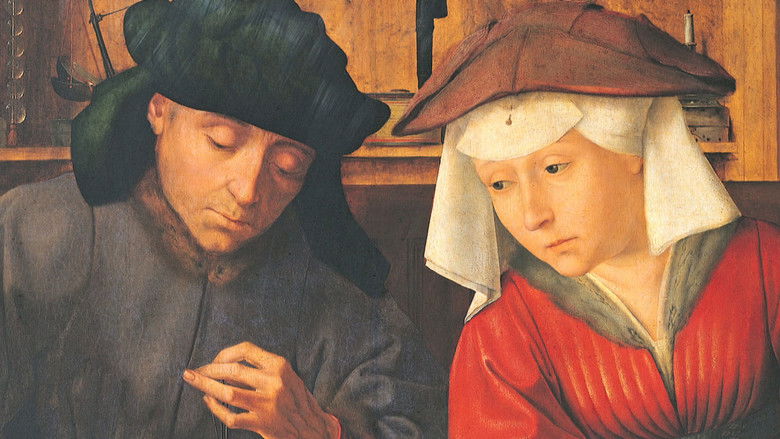
1. The Moneylender and his Wife (1514) by Quentin Massys
16th century Antwerp was like 1950s New York. The city of craftsmen and fishermen at the entrance to the North Sea became a leading finance hub, facilitated by European exploration and new trade routes. This work by Quentin Metsys is a subtle criticism of that world and its era, warning about the flow of money when it is detached from all forms of religious and moral considerations. This film examines the influences of Jan Van Eyck and Leonardo Da Vinci on the work; analyzes composition, painting technique, and object symbolism; and outlines events that would lead to the Dutch Revolt.
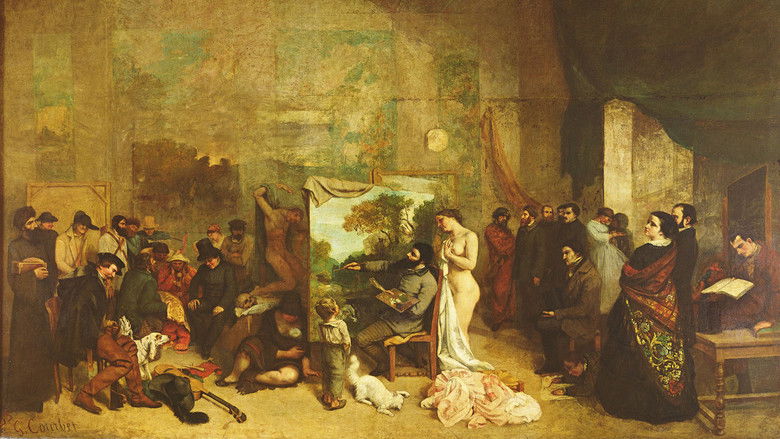
2. The Artist's Studio (1855) by Gustave Courbet
Paris shone brightly in the second half of the 19th century, with its fashionable restaurants, and its cabarets and theatres, which provided the spectacle of a carefree society. The industrial revolution produced wealth, and fortunes were amassed and lost. Gustave Courbet's work is politically involved and provocative. It reveals his support for revolutionary movements, and condemns Napoleon III's authoritarian regime. In addition to its critical dimension, the canvas has an air of mystery, and depicts contradictions.
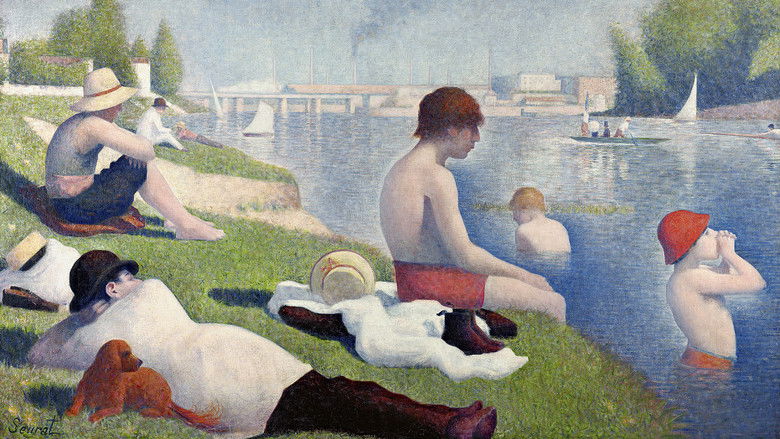
3. Bathers at Asniers (1884) by Georges Seurat
At the end of the 19th century, Asnieres resembled a seaside resort. The cheering crowd that came to attend the regattas animated the banks of the Seine, and the rowing club was always full. When he painted his canvas, Georges Seurat understood that his current era was totally turned towards a fascinating and ruthless religion: progress. Determined that art should not remain left out of these drastic changes underway, he invented pointillism.
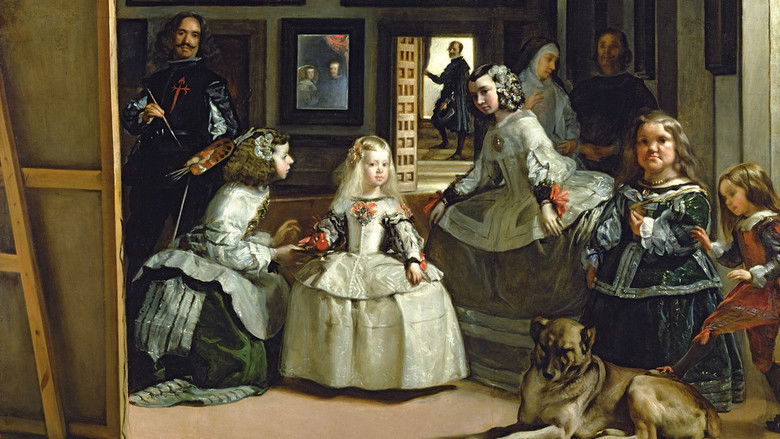
4. Las Meninas (1665) by Diego Velazquez
In the mid-17th century, Madrid experienced its Golden Age. The Royal Alcazar of Madrid, a legacy of the Muslim sovereignty that had dominated the region for a long time, became the residence of the royal family and the centre of the Spanish court. Diego Velasquez' canvas plunges us into the practices and traditions of the Hapsburgs of Spain. But more importantly, the work is a recursive reflection of reality: between model, viewer and artist, we no longer know who is looking at who.
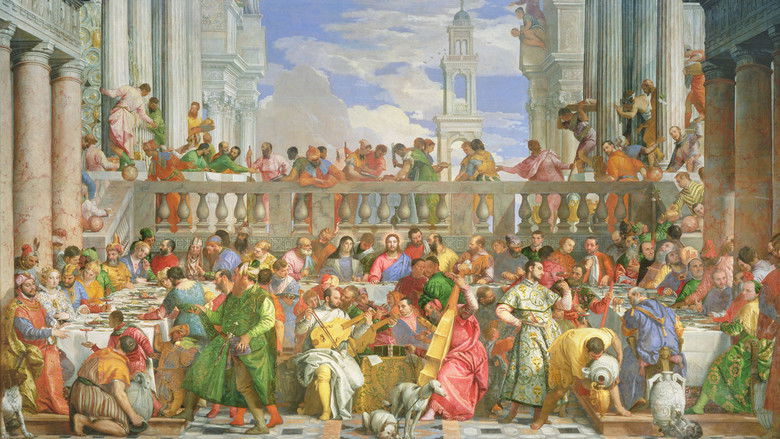
5. The Wedding at Cana (1563) by Paolo Veronese
In "The Wedding at Cana", Paolo Veronese transposes the biblical tale of Christ's first miracle to the scene of a sumptuous Venetian banquet. This documentary explores the historical context of 16th century Venice, a wealthy and politically stable city in which artists such as Veronese, Titian, and Jacobo Tintoretto were granted freedom from religious censorship. It looks at Palladio's architectural influences, presents a theory that "The Wedding at Cana" may represent the crowning ceremony of a Doge's wife, and examines how Veronese combines the sacred and profane in his works. Finally, it looks at the painter's use of perspective, colors, and composition.
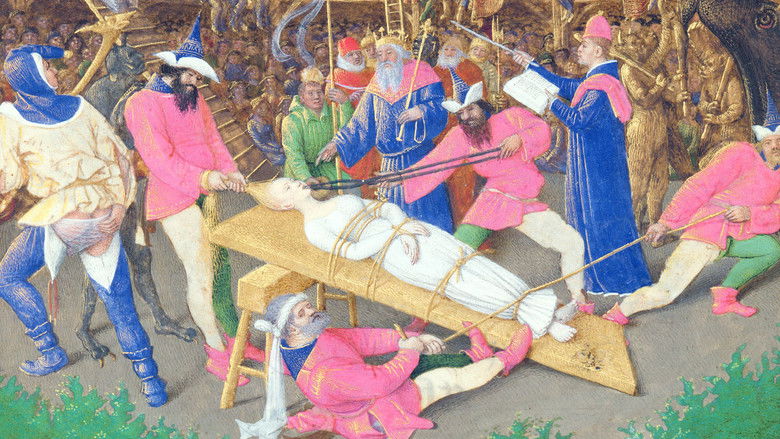
6. The Martyrdom of Saint Appolonia (1461) by Jean Fouquet
With a tiny and delicate paintbrush, Jean Fouquet adds the golden threads of a tentative humanism to "The Martyrdom of Saint Apollonia" (circa 1450) and unveils a glimmer of the modern era, crouching behind the horizon of the Middle Ages. This film analyzes the illumination for clues of what Fouquet sought to convey to viewers. Completed for a book of hours commissioned by one of Charles VIII's financial advisors, it portrays Apollonia's martyrdom as a mystery play- theatrical performances of Biblical stories popular in medieval towns- to distance viewers from the act of violence. The film also discusses Fouquet's journey to Italy, where he learned about perspective from Renaissance artists, and talks about his propaganda work as the Hundred Years' War drew to a close.
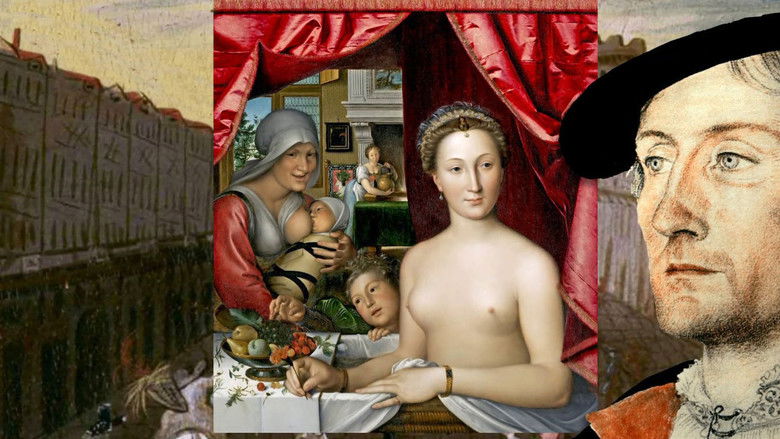
7. A Lady in Her Bath (1571) by Francois Clouet
"A Lady in Her Bath" (circa 1571), by Francois Clouet, bears witness to a period in which the pleasure of the senses and the spirit were caught up in religious conflict. It gave rise to the despotic canons of beauty. Official painter to Charles IX, Francois Clouet is considered the French master of portraiture. In this year 1571, he has just put the finishing touches to a canvas as beautiful as it is enigmatic: seated in her bathtub, half-naked, is a woman of Diaphanous beauty; behind her, a rough-featured nursemaid breastfeeds an infant; at the back of the room a servant is busy. A Fete Galante painting? Portrait? A Genre painting? This film examines the painting's composition and symbolism.
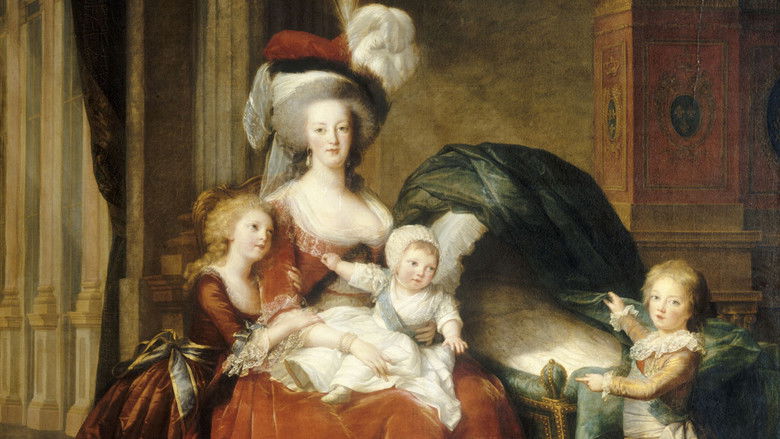
8. Marie-Antoinette de Lorraine-Habsbourg, Queen of France and Her Children (1787) by Elisabeth Vigée Le Brun
As the French Revolution approached, Louise Elisabeth Vigee Le Brun painted the queen's portrait in an attempt to win back public opinion. This documentary examines the historical and social context in which "Marie-Antoinette de Lorraine-Habsbourg, Queen of France and Her Children" was painted. It analyzes the work's composition and symbolism in terms of motherhood and political legitimacy, and attempts to counter the queen's reputation for debauchery. It also includes a discussion of Le Brun's background, Italian and Flemish influences, and her unique position as court portraitist in a male dominated field. Finally, we learn how the work was received by the Paris Salon and by the French people.
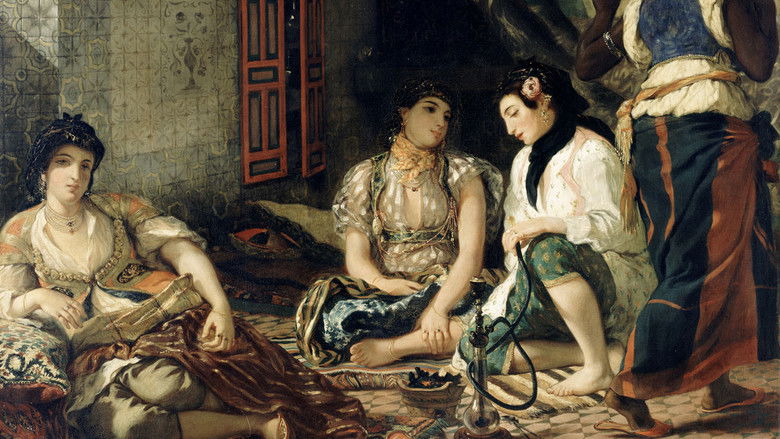
9. Women of Algiers in Their Apartment (1834) by Eugène Delacroix
As the war of colonization raged in Algeria, Eugene Delacroix was the first French artist to cross the Mediterranean. The naturalism of "Women of Algiers in Their Apartment," painted in 1834, takes us into the calm and simplicity of a harem as Delacroix saw it with his own eyes. This documentary looks at his attempts to counter Orientalist fantasies of Middle Eastern women held by European society and discusses his admiration of Lord Byron. It also details his journey through Morocco and Algeria as part of a French diplomatic mission, during which he witnessed the realities of North African culture that inspired him to document and recreate the scene of three sisters in their private quarters.
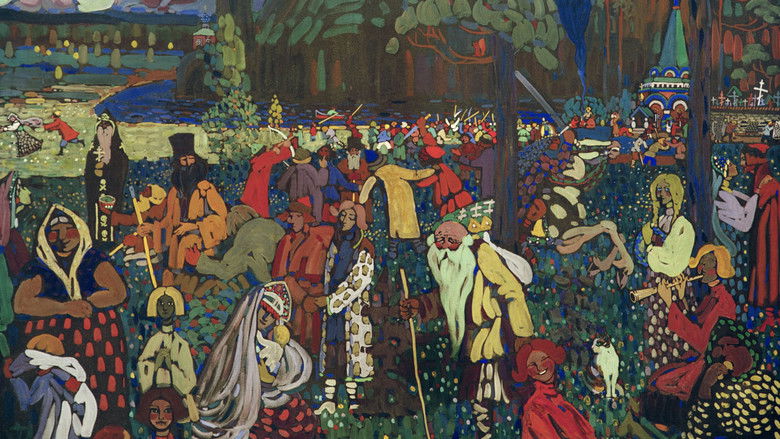
10. Colorful Life (1907) by Wassily Kandinsky
The roots of "Colourful Life" (1907), just like those of Vassily Kandinsky himself, were firmly anchored in age-old Russian soil. And yet the painting contains all the elements that were to accompany the painter in the greatest revolution in the history of art: the leap into abstraction. This documentary examines Kandinsky's rejection of Western thought and efforts to preserve Russian culture during modernization. He contracted typhus during a trip to study peasant life; his feverish hallucinations inspired the work that evokes a forgotten golden age sought after by Russian Symbolist painters and poets. Finally, viewers learn about the philosophies on color and light that led him to compose his famous Yellow-Red-Blue.
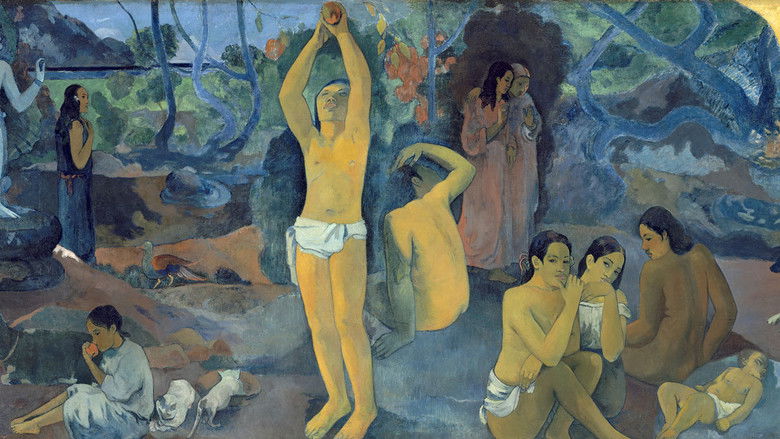
11. Where Do We Come From? What Are We? Where Are We Going? 1897, Paul Gauguin
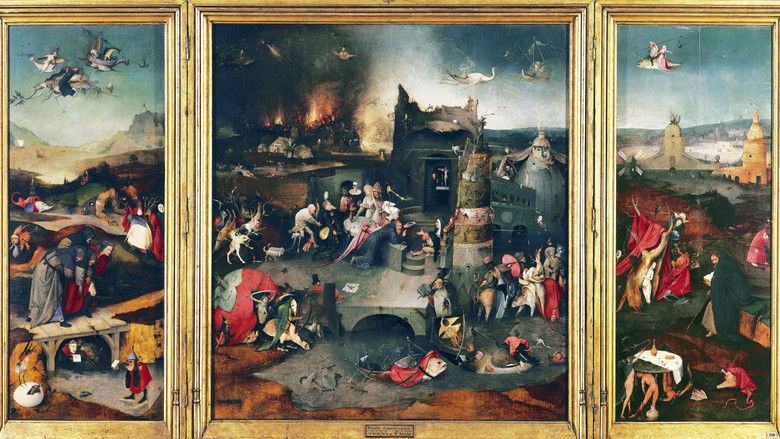
12. Temptations of St. Anthony, 1501, Hieronymus Bosch
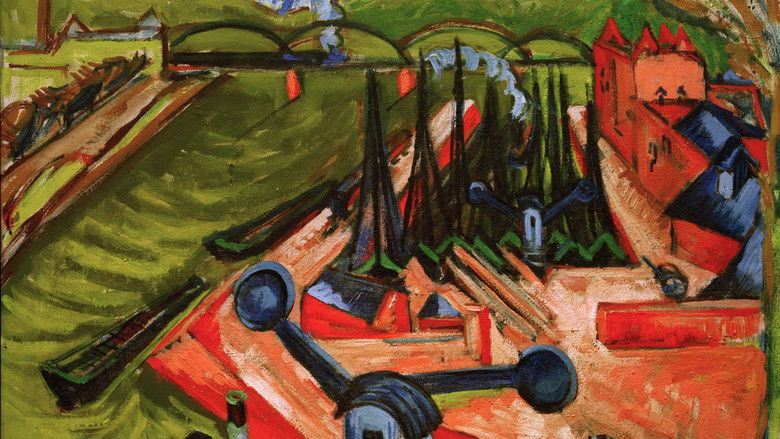
13. Western Port in Frankfurt am Main, 1916, Ludwig Kirchner
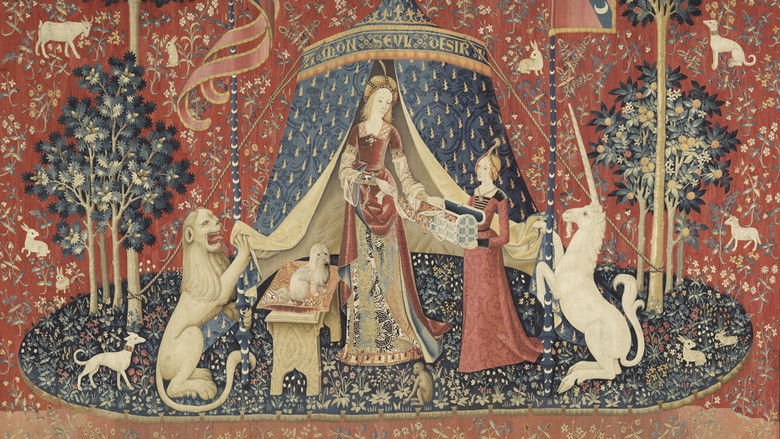
14. Lady and the Unicorn, Circa 1500, Anonymous
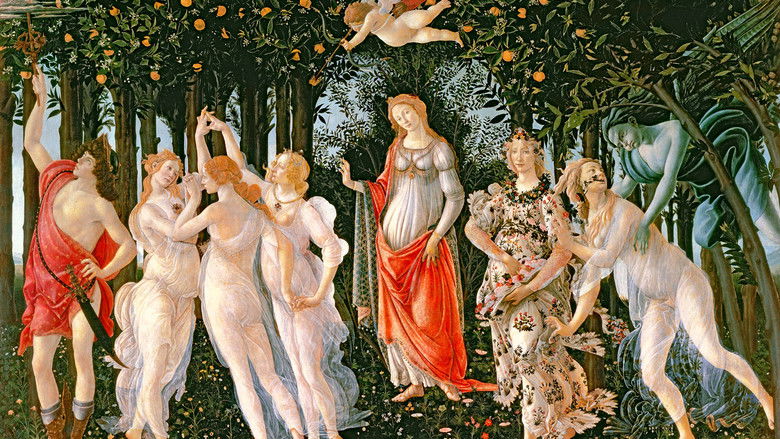
15. The Primavera, 1482, Sandro Botticelli
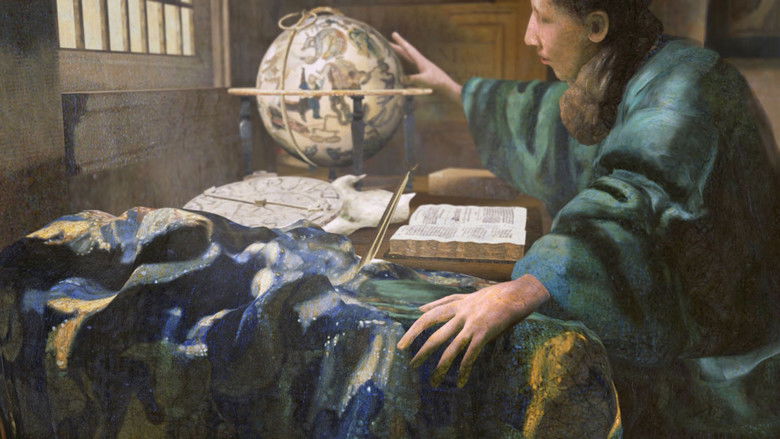
16. The Astronomer (1668) by Johannes Vermeer
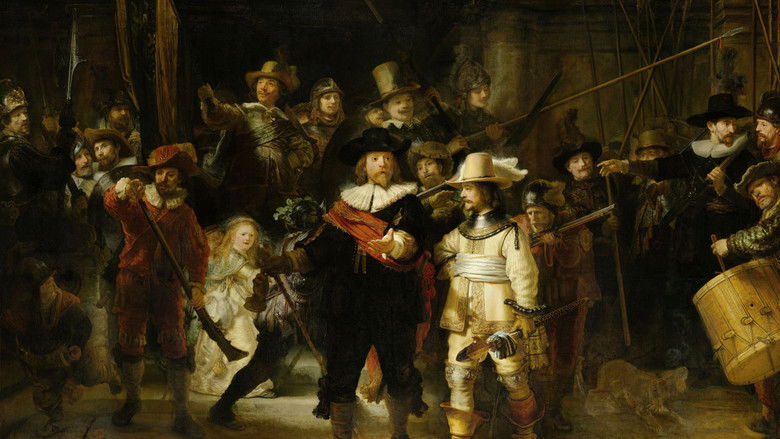
17. The Night Watch (1642) by Rembrandt Van Rijn
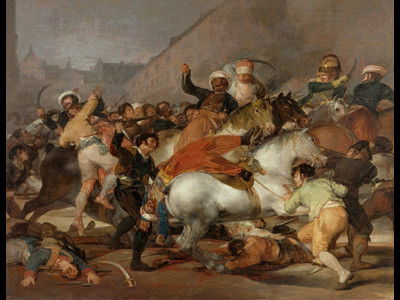
18. The Second of May 1808 (1814) by Francisco Goya
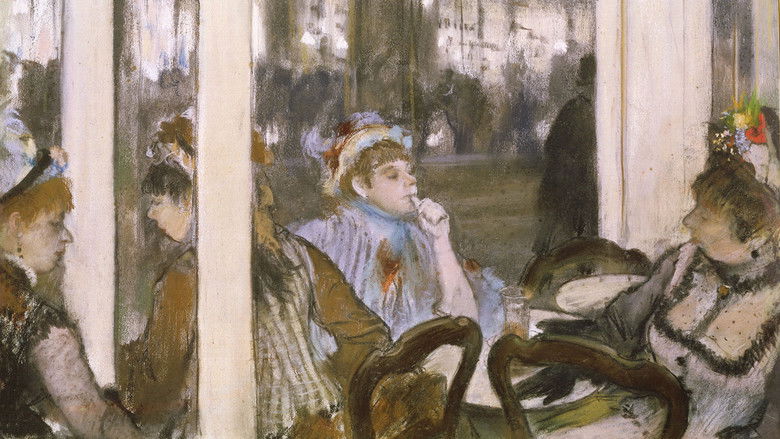
19. Women on a Café Terrace in the Evening (1877) by Edgar Degas
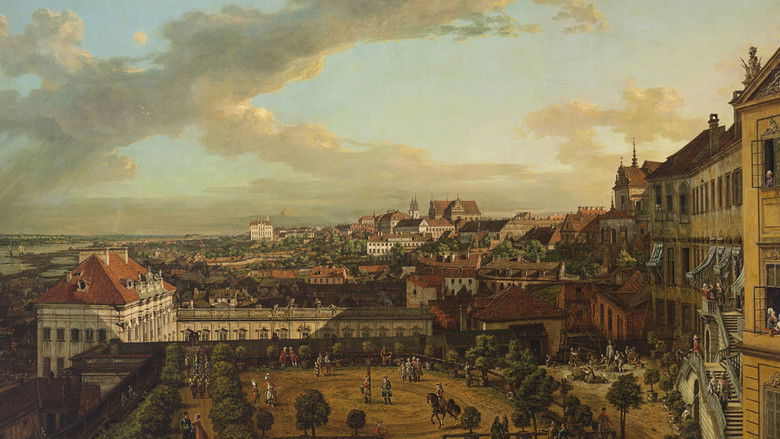
20. View of Warsaw From the Terrace of the Royal Palace (1773) by Bernardo Bellotto
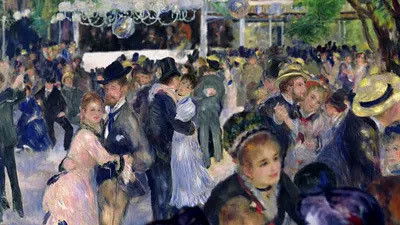
21. Dance at Le Moulin de la Galette, 1876, Renoir
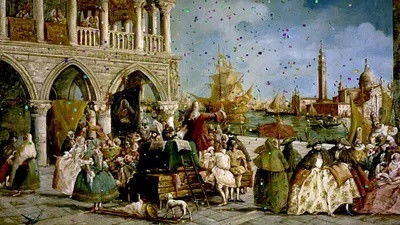
22. Pulcinella and Acrobats, 1797, Tiepolo
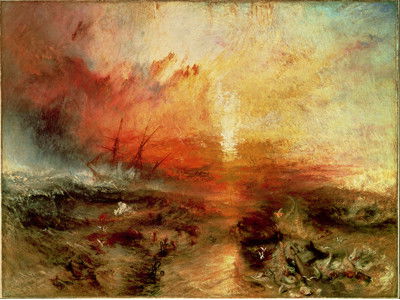
23. The Slave Ship, 1840, J.M. Turner
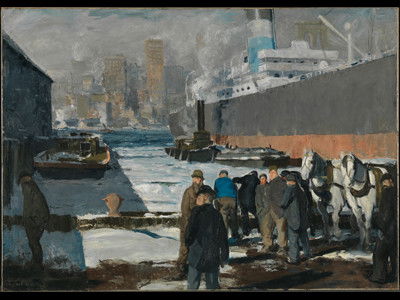
24. Men of the Docks, 1912, Bellows
Cast

Clémentine Célarié
Rozprávač
More Like This

Peua Mae Pae Bor Daai
Koi is a young woman who has grown up in a rubber tree plantation her entire life, and now has dreams of improving it. Unfortunately, the powerful millionaire who is the plantation's creditor has plans to seize it for himself, but Koi refuses to allow that to happen. Trin is a young businessman who owns a rubber mattress factory and makes an offer to buy her family's plantation. Because Koi has no intention of letting anyone take her plantation, the two enter into a rivalry.

Meet The Meerkats
Meet three rescued meerkat families (mobs) who are learning the way of life in the wild for the very first time.
Li Wei Resigns from Office

God Bless Your Home
Amer impersonates an educational doctor to enter the Vision School and work there after he plans this with his friend Lotfi, the secretary of the school manager, Zahra. While he succeeds in gaining the trust and love of the people around him, he hides something from everyone
Kamenskaya
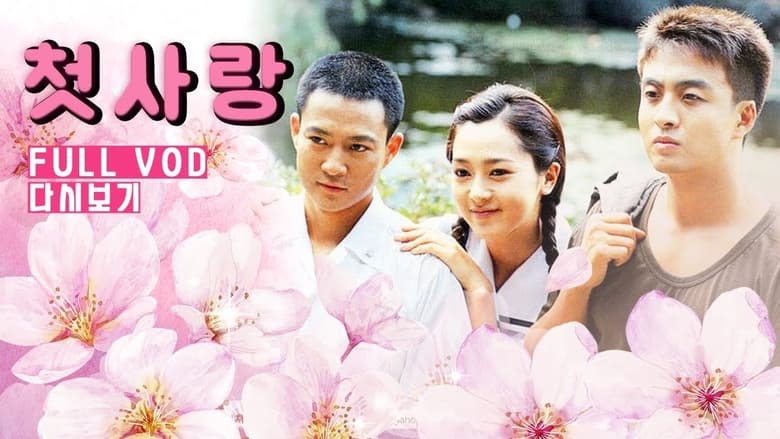
First Love
First Love is a South Korean television series starring Bae Yong-joon, Choi Soo-jong and Lee Seung-yeon. It aired on KBS2 from September 7, 1996 to April 20, 1997 on Saturdays and Sundays at 19:55 for 66 episodes. It is currently the number one highest-rated Korean drama of all time based on single episode viewership ratings, reaching 65.8% on its April 10, 1997 episode. Its average rating for its entire run was 52.6%.

Nokkhotrer Raat
A 90's iconic slice of life genre drama directed by the famous Novelist of Bangladesh, Humayun Ahmed, based on his own novel, Nokkhotrer Raat (Starry Night), centered around the ups and downs of a middle class family of six, casting Abul Hayat, Asaduzzaman Nur, Sarah Zaker, Shomi Kayser and many popular faces from the 90's. The story starts by showing a typical day of a middle class family and it unfolds by revealing different chapters that a family goes through, from day to day life, thereby unfolding an extraordinary tale of love, sorrow, struggle, crisis, heart break, sudden demise, and above all, unity and integrity, out of a seemingly ordinary family.

孕期被霸总宠上天

Ran
Five boys meet in their teens. This lays the foundation for a career in crime, driven on by the dream of the big heist. Police are becoming aware of them, but the biggest threat is proving to be their own friendship. "Ran" is a high-profile television drama for four episodes. It a mix of drama and action, which is about both spectacular robberies, and about friendship and affiliation. The dilemma the gang encounters is similar to what most of us experience: there comes a point in life where the roads separate, where you realize that you and your old friends have grown apart. This causes a bigger problems for these guys, as this break is not just a little sad and melancholy experience - it is also a threat to their life, their future and their identity.

David Blaine Do Not Attempt
Seeking out incredible people who perform real feats that look like magic, David Blaine takes viewers on a jaw-dropping journey through some of the world's most extraordinary cultures as he seeks out kindred spirits, finds inspiration, and learns some truly exceptional skills along the way.
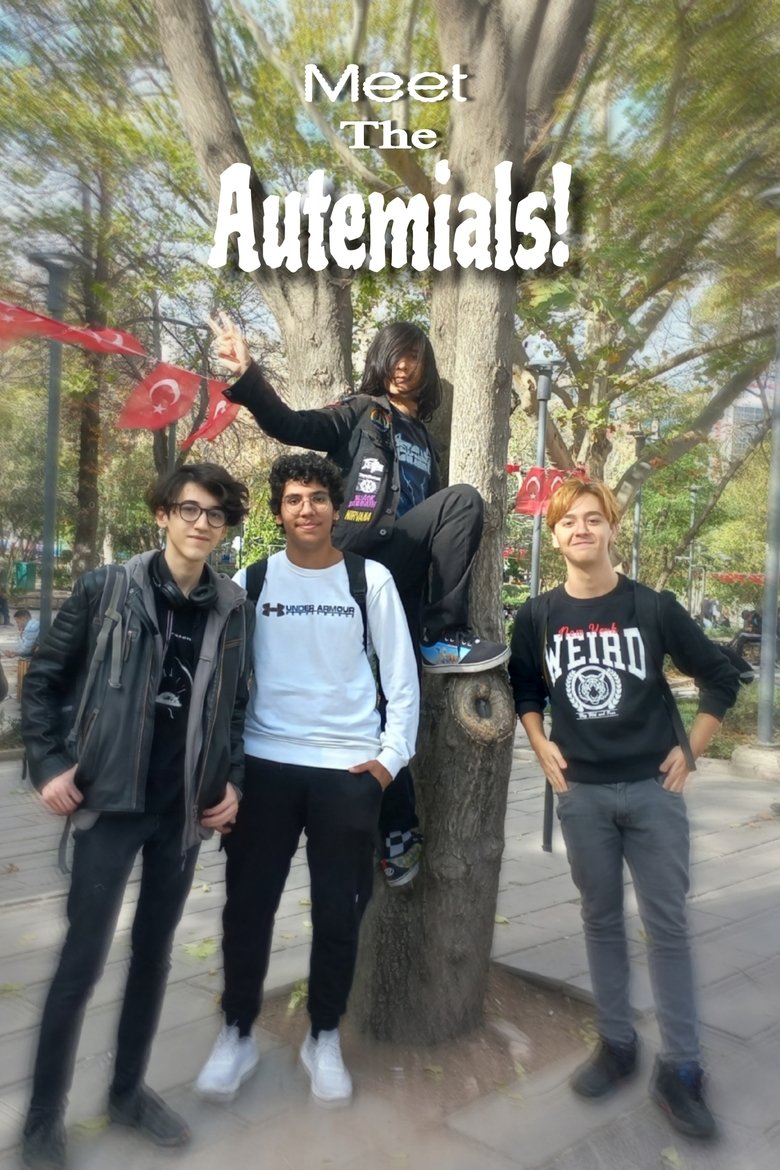
Meet The Autemials!
The best way to get to know your favorite band is to hear them from themselves. Who are the members of Autemials, what are they like, where is the music going, where is their music going? The answer to all of them is in one content.
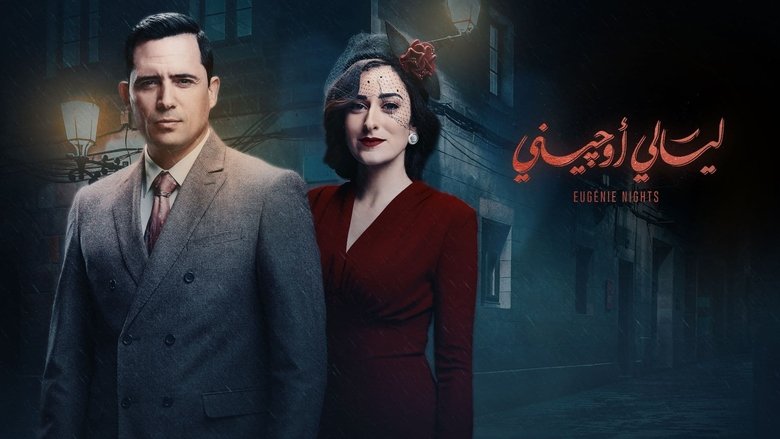
Eugenie Nights
In 1940s Egypt, a princess trying to prove her innocence after being accused of killing her husband receives help from his brother, which leads to them falling in love.

ローカル路線バス乗り継ぎ人情ふれあい旅

Top
A story that follows an internet celebrity, a writer, a star, a fuerdai, a painter and many other public figures that are the subject of controversy in a reality show. It explores the dark humor between a public relations officer with a sharp tongue and a principled man.
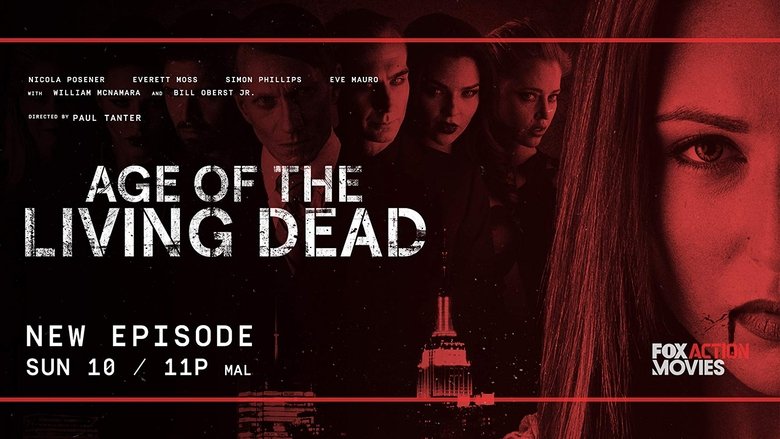
Age of the Living Dead
In an America quarantined by the rest of the world, humans and vampires co-exist on opposite coasts thanks to a peace treaty, while each side plots to destroy the other.
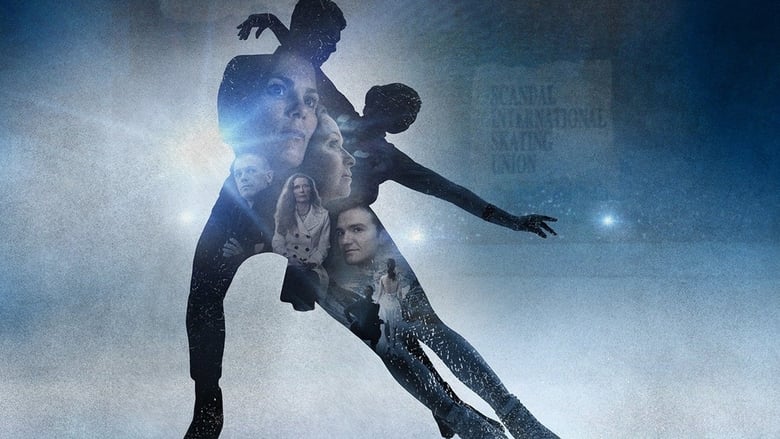
Meddling
The controversial story of Canadian figure skating pair Jamie Salé and David Pelletier losing gold to Russians Anton Sikharulidze and Elena Berezhnaya during the 2002 Winter Olympics in an organized crime scandal spanning three continents.
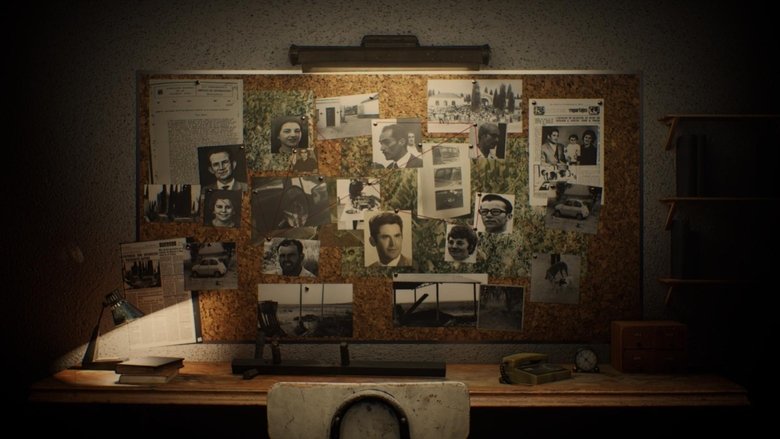
The Galindos, all the truth
Documentary series that recounts the five crimes committed on July 22, 1975, in the municipality of Paradas (Seville) in Spain.
Reviews
No reviews available yet.