
The Future Is Wild
The Future Is Wild was a 2002 thirteen-part documentary television miniseries. Based on research and interviews with several scientists, the miniseries shows how life could evolve in the future if Homo sapiens left the earth. The version broadcast on the Discovery Channel modified this premise, supposing instead that the human race had completely abandoned the Earth and had sent back probes to examine the progress of life on the planet. The show took the form of a nature documentary. The miniseries was released with a companion book written by geologist Dougal Dixon, the author of several "anthropologies and zoologies of the future", in conjunction with natural history television producer John Adams. For a time in 2005, a theme park based on this program was opened in Japan. In 2008 a special on the Discovery Channel about the development of the video game Spore was combined with airings of The Future Is Wild. A film version of the series was picked up by Warner Bros.
Trailers & Videos
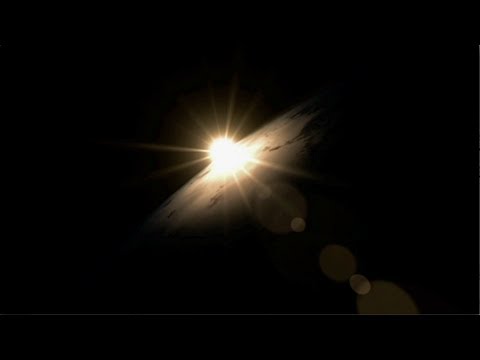
The FUTURE is WILD Official Trailer
Seasons

1. Welcome to the Future
The opening episode serves as an introduction to the series, featuring many clips from later episodes and giving an overview of the series. It opens by discussing which animals (such as the big cats and bears) will disappear in a few thousand years and explains that evolution will continue. It is also the only episode to touch upon the absence of humans in the future. It does not, however, explain what will have happened to the human race. The creators said that it was up to the viewers to make their own assumptions about the fate of mankind.
2. Return of the Ice
The episode is set in North Europe, 5 million years into the future. The episode focuses on three hypothesized species: (1) Shagrat, a descendant of the marmot that has grown in size and developed thicker fur and a smaller nose to protect it from the cold; (2) Snowstalker, a descendant of the wolverine that has evolved sabre-teeth and white fur for camouflage; (3) Gannetwhale, a descendant of the gannet which has grown to immense size to replace the sea mammals. The episode explains that the onset of the ice age was very fast, so many animals died out. The ones that did survive had to have quick generations so they evolved fast. This is why rodents were successful. The episode follows the story of a female Snowstalker teaching her cubs to hunt, the Gannetwhale's breeding season and the mass migration to the south of the Shagrats.
3. The Vanished Sea
The episode is set in what was the Mediterranean sea in 5 million years time. It features four species: (1) Cryptile, a lizard with a sticky frill to catch flies which it can then lick off at its leisure; (2) Scrofa, a descendant of the wild boar which has developed spindly legs to allow it to live on the rocky islands in the desert; (3) Gryken, a descendant of the pine marten which hunts Scrofa in the cracked rocks of the landscape; (4) brine flies (live-acted). Before this time in the future, the tip of Africa has collided with the southern tip of Spain, thus enclosing the Mediterranean inland. It has since dried up to become an enormous salt desert with a few lakes of ultra-saline water, as it was during the Messinian salinity crisis. The holiday islands that used to be in the sea are now mountains scattered throughout the desert.
4. Prairies of Amazonia
The episode is set in South America where the Amazon used to stand in 5 million years time. It features three species: (1) Carakiller, a descendant of the mountain caracara which has evolved to replace land predators; (2) Babookari, a descendant of the uakari which lives like baboons and has discovered how to catch fish; (3) Rattleback, a descendant of an agouti which has developed tough armour and can live through quickly-passing grass fires. This episode shows that due to the cooling of the planet, the Amazon rainforest has vanished and has been replaced by grassland. Most primates have died out but the Babookari has evolved to live on the plains. They have also become much cleverer and can now make nets out of twigs to catch fish. There is also the rattleback, a heavily armoured rodent which is somewhat fireproof, and lives on a diet of Carakiller eggs, grass stems, and tubers. The episode also shows the biggest danger to these animals - fire.
5. Cold Kansas Desert
The episode is set in North America, 5 million years into the future. The episode focusses on three species: (1) Deathgleaner, a massive carnivorous false vampire bat that spends the day hunting for prey in the desert and spends the night in a communal roost; (2) Spink, a descendant of the quail whose wings have become digging blades. The species lives much like the naked mole-rat of our time; (3) Desert Rattleback, a descendant of the agouti, when lives in the cold regions. The episode explains that the onset of the ice age caused the agricultural belt of the USA to turn into a desert where temperatures at night regularly reach freezing. The episode shows how the animals have evolved to cope with the harsh features of this forbidding landscape.
6. Waterland
The episode is set in the Bay of Bengal, 100 million years into the future. The episode focuses on three species: (1) Toraton, a descendant of the giant tortoise and the largest creature ever to walk the Earth. They can weigh up to 120 tonnes; (2) Swampus, a descendant of the octopus which has formed a symbiotic relationship with a plant to house its young. They are very intelligent; (3) Lurkfish, a descendant of the electric catfish that can fire up to 1000 volts to stun prey. They are ambush predators. The episode shows that at this point of the future, volcanoes are belching out copious amounts of greenhouse gases causing the planet to overheat. It shows how swampus breed and how toraton have evolved to cope with their new size.
7. Flooded World
The episode is set in shallow seas of Paris, 100 million years into the future. The episode focuses on three species which all live together: (1) Ocean Phantom, a type of portuguese man-of-war that can grow to ten metres in diameter; (2) Reef Glider, a descendant of the sea slug which hunts ocean phantoms. The young, however, are prey to the ocean phantom; (3) Spindle Trooper, sea spiders that live in chambers on the Ocean Phantom and protect it from danger. The Ocean Phantom in return feeds it. This episode focuses on the extinction of the coral reefs and their replacement with red algae reefs. It shows how this food chain works and how the animals have evolved together. It also shows how Ocean Phantoms can be ripped apart by a severe storm but still carry on living.
8. Tropical Antarctica
The episode is set in Antarctica, 100 million years into the future. The episode focuses on five species: (1) Roachcutter, a descendant of an undisclosed sea bird and one of the first species to colonise Antarctica. It feeds on the insects of the forest and flies incredibly fast and with brilliant agility; (2)Falconfly, a descendant of the wasp which preys on the Roachcutter and other birds; (3) Spitfire Bird, a descendant of an undisclosed sea bird which collects chemicals from flowers of the Spitfire tree which it then spits at enemies such as the Falconfly; (4) Spitfire Beetle, a beetle or mantis that gathers in groups of four to take on the appearance of a Spitfire flower; (5) False Spitfire Bird, an undisclosed sea bird that looks almost identical to the other spitfire bird but cannot fire chemicals. At this point in the future, Antarctica has moved so far north it is now on the equator and has grown a tropical jungle.
9. The Great Plateau
The episode is set in a lofty plateau created by the collision of Australia (who moved northward) against Japan and Kamchatka (the Asian tectonic plate), 100 million years into the future. The episode focuses on four species: (1) Silver Spider, a descendant of our spiders, the silver spiders live in huge colonies and have a caste system based on the size of the animal. They build massive webs across canyons; (2) Poggle, a descendant of the hamster and the last species of mammal on Earth at this time, prey to silver spiders; (3) Great Blue Windrunner, a brilliant blue bird with wings on its legs which sees in ultraviolet and lives at the highest points on the plateau; (4) Grass Trees, Tree-like plants descended from bamboo. This episode shows how this bizarre food chain works
10. The Endless Desert
The episode is set in the central desert of the new Pangea, 200 million years into the future. At this point in the future, there are no mammals, birds, reptiles or amphibians. The episode focuses on four species: (1) Terabyte, descendants of termites that live in massive air-conditioned underground cities where they farm algae. Each termite is built for a specific role. There are transporters, glue-spitters, diggers and other types too, which form a caste system. (2) Gloomworm, a simple worm that is descended from a single type of bristleworm which survived the mass extinction. (3) Slickribbon, a transparent creature with pincer jaws and a nasty sting. It appears to be descended from the same bristleworm as the Gloomworm. (4) Garden Worm, a descendant of the convoluta worm, the garden worm houses green algae in fleshy lobes that stick out like leaves from their backs. The algae convert sunlight into food to feed their host
11. The Global Ocean
The episode is set in 1 massive super ocean in the world, 200 million years into the future. At this point in the future, there are no mammals, birds, reptiles or amphibians. The episode focusses on four species: (1) Rainbow Squid, a massive squid which changes colour to hide and which did not take to the land unlike some cephalopods; (2) Flish, descendants of cod which have evolved to breathe out of water and have developed wings; (3) Sharkopath, a descendant of sharks that have bioluminescent patches on their sides to communicate with one another; (4) Silverswimmer, descendants of crustaceans that have grown in size and evolved to fill the roles that fish previously held. There are many different species and they have different ways of life. Some are predators, some are prey and some are scavengers. Since all the land is joined together, much like Pangea, there is only one ocean now as well. Some views from space show the Earth as just a blue circle now.
12. Graveyard Desert
The episode is set in a rainshadow desert on the eastern side of Earth's only continent, 200 million years into the future. Wedged between this desert and the Global Ocean is a series of very tall mountain ranges which are tall enough to block even the most powerful storms. At this point in the future, there are no mammals, birds, reptiles or amphibians. The episode focuses on five species: (1) Bumblebeetle, a species of beetle that has been pushed to the edge of specialisation. They spend their lives searching for dead flish which are a good food source for their young. (2) Desert Hopper, a bizarre rabbit-sized cone snail that hops about on one muscular foot. They tend to bury themselves during the heat of the day and only come out at the cool of the night. (3) Deathbottle, a carnivorous plant, that has traps to feed on the Desert Hoppers. (4) Flish, shown dead, animal from the previous episode. (5) Grimworm, a worm, live inside dead Ocean Flish body and scavenging it.
13. The Tentacled Forest
The episode is set in the northern forest, 200 million years into the future. At this point in the future, there are no mammals, birds, reptiles or amphibians. There are very few fish. The episode focuses on five species: (1) Lichen Trees, a group of species evolved from simple lichens. Some species are small bushes while others are giant tree like creatures. (2) Forest Flish, a smaller species of flish with hooks for feet so it can hang upside down on tree branches to rest. (3) Megasquid, a five-metre-tall (16 ft) squid with rhino-like skin and three-metre tentacles which patrols the forest. Its eight boneless legs are packed with muscles that act like bones. (4) Squibbon, an arboreal species of squid that swing through trees and have stereoscopic vision. The Squibbon could well be the next sapient life on the planet and create new civilization. (5) Slithersucker, an arboreal species of giant slime mold. Predatory by nature and reproduces by taking control of huge Megasquids.
Cast
Christian Rodska
Narrator
More Like This
The Future Is Wild
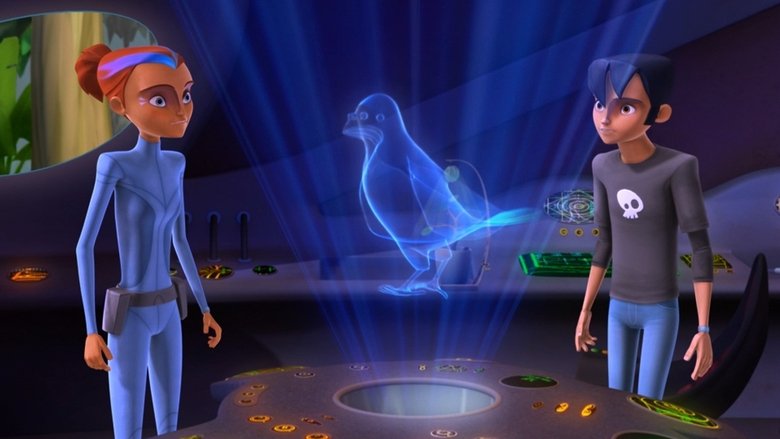
The Future is Wild is an animated children's version of Canadian 2003 joint Animal Planet/ORF and ZDF co-production The Future Is Wild. It was developed by Nelvana Animation, and directed by Mike Fallows, with characters and creatures designed by Brett Jubinville. It is made in CGI animation. The show is a Teletoon Original Production and first aired on Teletoon on June 28, 2010; it made its debut in the US on Discovery Kids on October 13, 2007. It now airs weekday mornings on The Hub. It features four teenagers who study the future of the earth to find a new habitat for humanity, while learning about the futuristic creatures who inhabit it. The show ran for one 26 episode season. It utilizes creatures speculated about in a the original version of The Future Is Wild, albeit with highly fictionalized elements.

It's Your Turn
T. J. Hooker
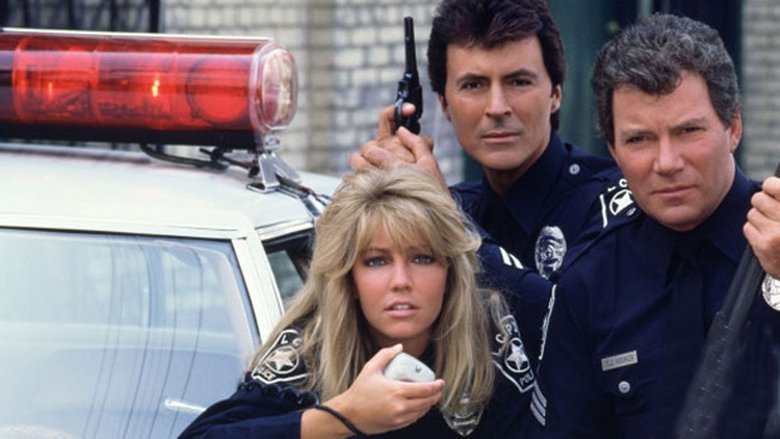
Sergeant Thomas Jefferson Hooker is a tough-as-nails veteran police officer with the LCPD who turns his back on a gold badge and goes back to patrolling the streets and training recruits. Along with his young partners in blue, Hooker take on Lake City's toughest criminals.
Vera
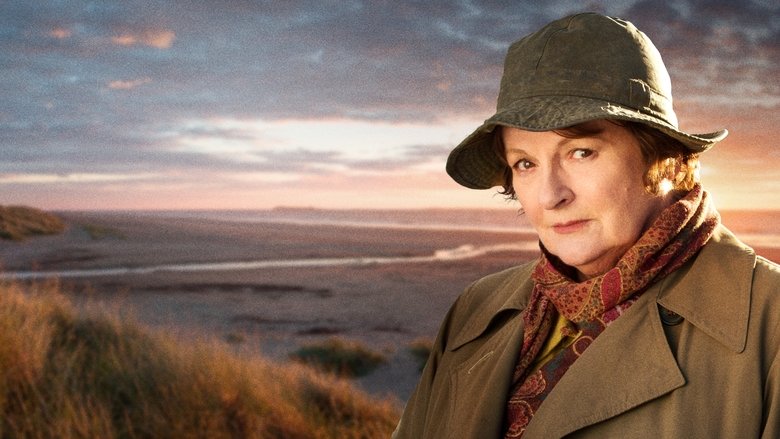
A sharp detective with a messy life, DCI Vera Stanhope patrols her “patch” of northeast England, pursuing the truth in cases of murder, kidnapping, and blackmail. Vera is obsessive about her work and faces the world with caustic wit, guile and courage.
Knowing Me Knowing You with Alan Partridge
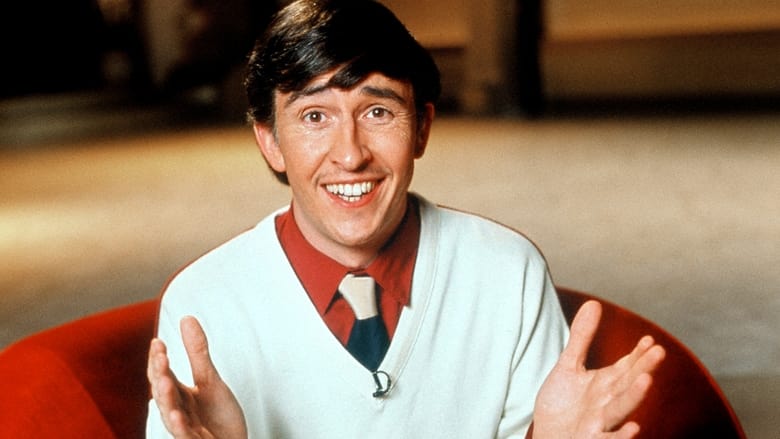
Knowing Me Knowing You with Alan Partridge is a BBC Television series of six episodes, and a Christmas special in 1995. It is named after the song "Knowing Me, Knowing You" by ABBA, which was used as the show's title music. Steve Coogan played the incompetent but self-satisfied Norwich-based host, Alan Partridge. Alan was a spin-off character from the spoof radio show On the Hour. Knowing Me Knowing You was written by Coogan, Armando Iannucci and Patrick Marber, with contributions from the regular supporting cast of Doon Mackichan, Rebecca Front and David Schneider, who played Alan's weekly guests. Steve Brown provided the show's music and arrangements, and also appeared as Glen Ponder, the man in charge of the house band. The show was a parody of a chat show. It featured a live audience whose laughter meant that viewers could not mistake the show for a real chat show. Alan went on to appear in two series of the sitcom I'm Alan Partridge, following his life after both his marriage and TV career come to an end.

The Office
Nightmare boss. Tedious colleagues. Pointless tasks. Welcome to Wernham Hogg. Fancy a tea break with David Brent? Classic comedy from the archive.

Inspector Morse
Inspector Morse is a detective drama based on Colin Dexter's series of Chief Inspector Morse novels. The series starred John Thaw as Chief Inspector Morse and Kevin Whately as Sergeant Lewis, as well as a large cast of notable actors and actresses.

Mad About You
Young, urban newlyweds Paul and Jamie Buchman try to sustain their marital bliss while sidestepping the hurdles of love in the '90s.
The Terminal List: Dark Wolf
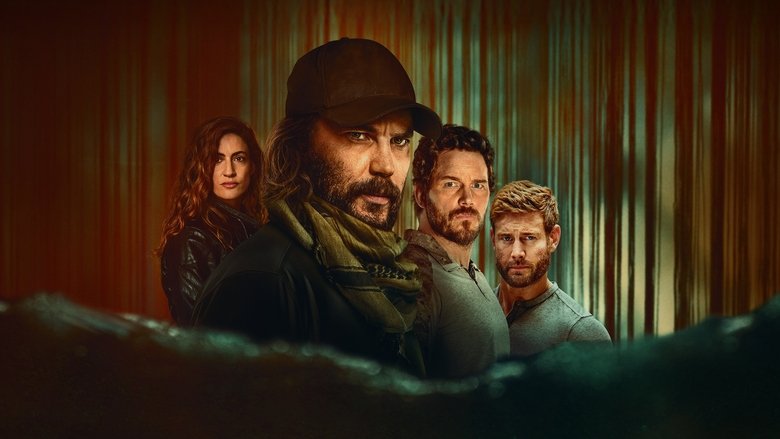
Before The Terminal List, Navy SEAL Ben Edwards finds himself entangled in the black operations side of the CIA. The deeper Ben goes into the 'gray', the harder it will become to not give himself over to his darker impulses. Every man has two wolves inside him – light and dark – fighting for control. Which wolf will Ben Edwards feed?
Leonardo
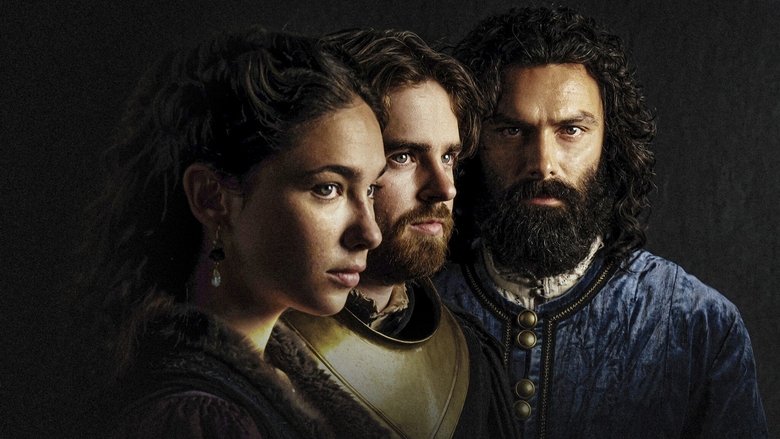
A fresh look at the life and legacy of the iconic artist Leonardo da Vinci, positing that he was a gay outsider who used his work as a way of hiding his true self. Each episode will examine one of da Vinci’s artworks for hidden clues about a tortured artist struggling for perfection.

Yes Minister
Satirical sitcom set in the office of a UK Cabinet minister, Jim Hacker MP, who struggles with Civil Service bureaucracy and political machinations as he tries to get on with government business.

Red Dwarf
The adventures of the last human alive and his friends, stranded three million years into deep space on the mining ship Red Dwarf.
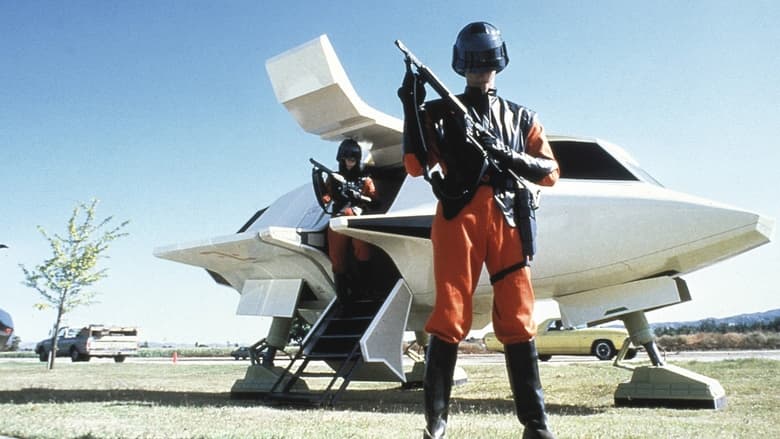
V: The Final Battle
A small group of human resistance fighters fight a desperate guerilla war against the genocidal extra-terrestrials who dominate Earth.

Jimmy Kimmel Live!
Jimmy Kimmel Live! is an American late-night talk show, created and hosted by Jimmy Kimmel and broadcast on ABC.
Deputy
When the Los Angeles County’s Sheriff dies, an arcane rule forged back in the Wild West thrusts the most unlikely man into the job: a fifth-generation lawman, more comfortable taking down bad guys than navigating a sea of politics, who won’t rest until justice is served.
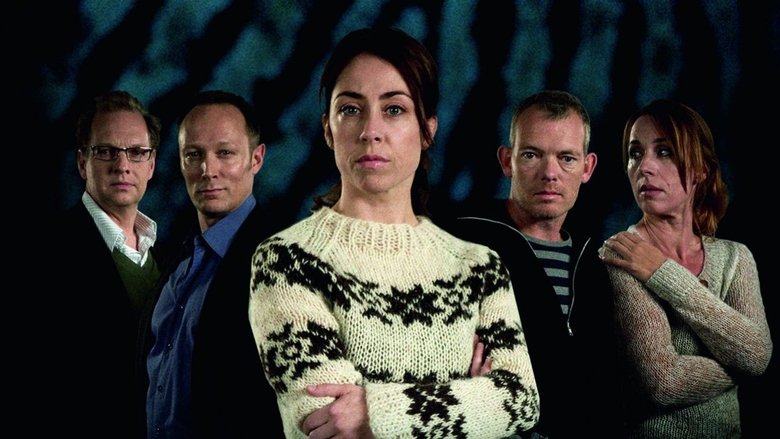
The Killing
The Killing is a Danish police procedural set in the Copenhagen main police department and revolves around Detective Inspector Sarah Lund and her team, with each season series following a different murder case day-by-day and a one-hour episode covering twenty-four hours of the investigation. The series is noted for its plot twists, season-long storylines, dark tone and for giving equal emphasis to the story of the murdered victim's family alongside the police investigation. It has also been singled out for the photography of its Danish setting, and for the acting ability of its cast.
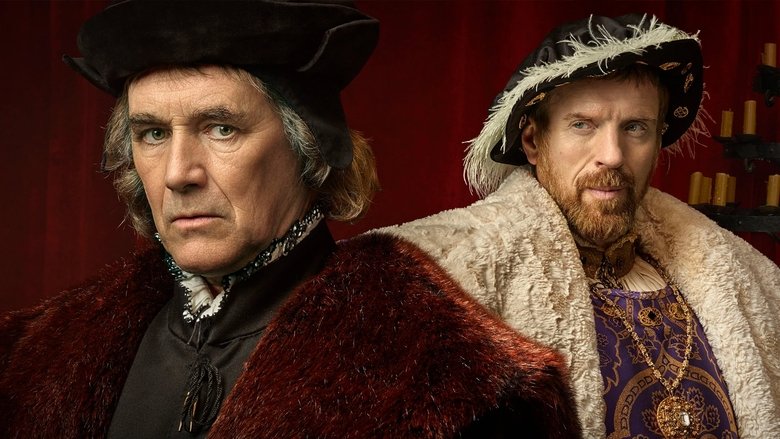
Wolf Hall
England in the 1520s is a heartbeat from disaster. If the King dies without a male heir, the country could be destroyed by civil war. Henry VIII wants to annul his marriage of twenty years and marry Anne Boleyn. The Pope and most of Europe oppose him. Into this impasse steps Thomas Cromwell: a wholly original man, a charmer, and a bully, both idealist and opportunist, astute in reading people, and implacable in his ambition. But Henry is volatile: one day tender, one day murderous. Cromwell helps him break the opposition, but what will be the price of his triumph?
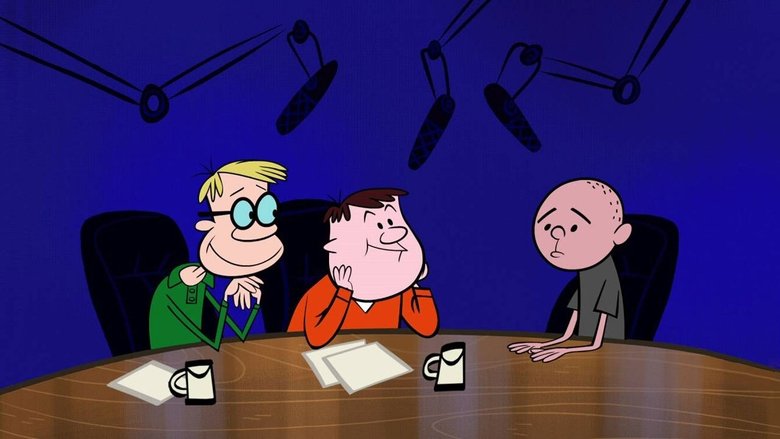
The Ricky Gervais Show
The Ricky Gervais Show is an American cartoon series produced for and broadcast by HBO and Channel 4. The series is an animated version of the popular British audio podcasts and audiobooks of the same name, which feature Ricky Gervais and Stephen Merchant, along with colleague and friend Karl Pilkington, talking about various subjects behind the microphone. The TV show consists of past audio recordings of these unscripted "pointless conversations," with animation drawn in a style similar to classic era Hanna-Barbera cartoons, presenting jokes and situations in a literal context. The animated Ricky Gervais Show has aired 39 episodes across three seasons since it premiered in 2010. There were some plans for a possible fourth season which would have used newly recorded audio, but this was shelved in June 2012. Series 3 of The Ricky Gervais Show premiered on 20 April 2012 on HBO, and on 8 May 2012 on E4.

Treasure Island
In this two-part miniseries adaptation of the classic adventure novel, young Jim Hawkins is the only one who can direct a schooner to an island known for buried treasure. But aboard the ship is a mysterious man whose true motives challenge Jim's trust in the entire crew.
Reviews
No reviews available yet.