
The History of the Greek Railways
It all starts on 1830, when young George Stephenson manufactures the first steam engine and the first railway networks are built soon after. Railway becomes a crucial factor in the development of trade and military strength for a country, with its ability to quickly transport soldiers and munitions. Railways expand rapidly in Europe and arrive soon in Greece.
Seasons
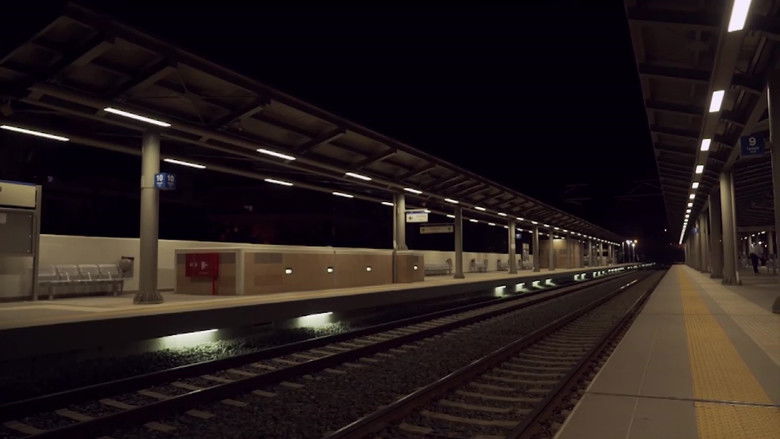
1. The birth of the Greek Railways
Through rich photographic and archival material, we travel back in time, on Railway from Athens to Piraeus (SAP), which was the first railway in Greece.
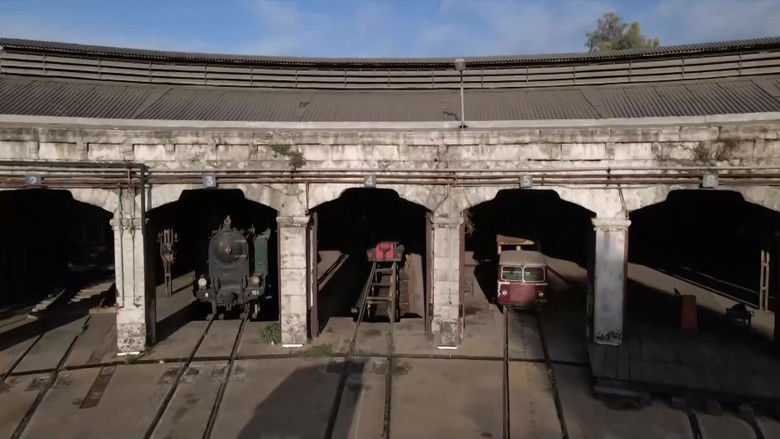
2. The Attica Railway System
We follow the Attica Railways through time, from their glorious days with the amazing “Beast of Kifissia”, up to the decline of the network.
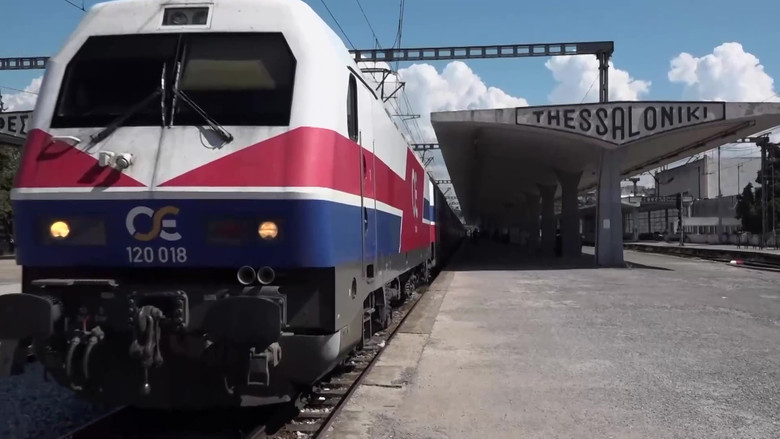
3. Thessaloniki Railways through the memories of Railway Workers - Part Ι
At the beginning of the 20th century, the city of Thessaloniki is linked to Istanbul, to the Balkans and to Europe, through three different railway lines.
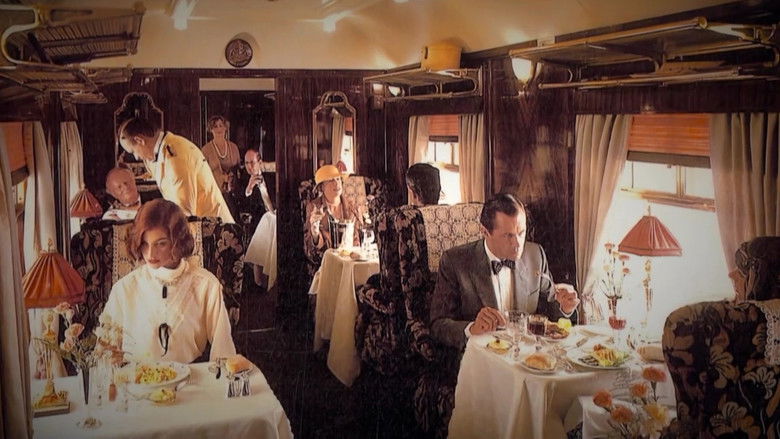
4. Thessaloniki Railways through the memories of Railway Workers - Part ΙΙ
We learn about telecommunications rail networks and their importance for rail travel.
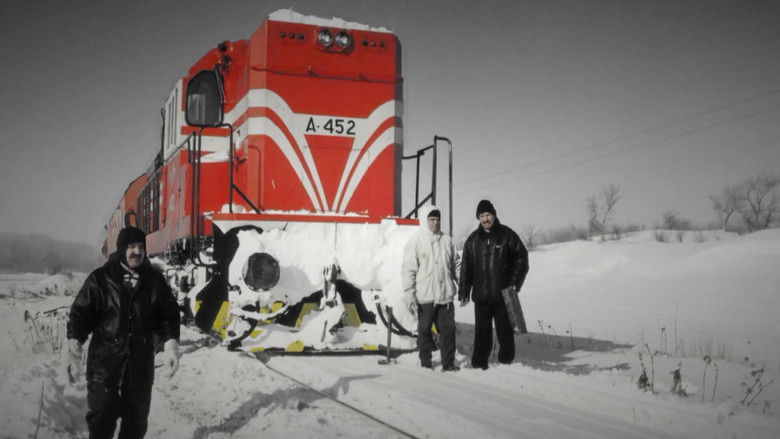
5. The Railways of East Macedonia and Thrace
Follow us on a journey through enchanting landscapes filled with colours and history, as we travel along the Ottoman networks of the Connecting Railway and the Eastern Railways.
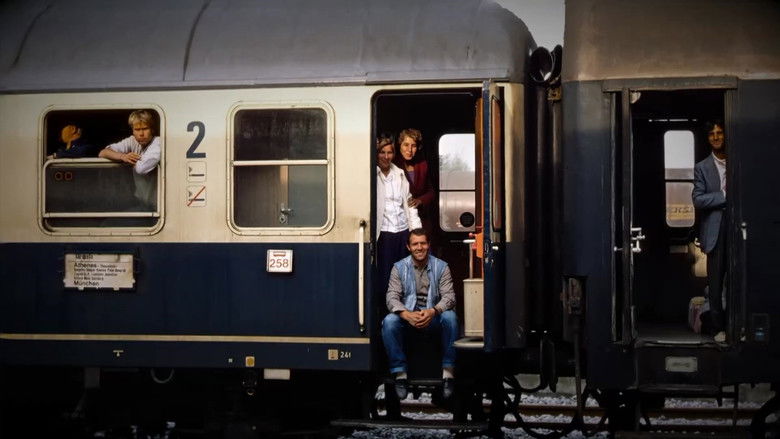
6. The Railway Networks of Idomeni and Florina
Two different routes. Two different railway networks. Two different railway companies. Two different railway destinations in Gevgeli and Monastiri. A common starting point. Thessaloniki.
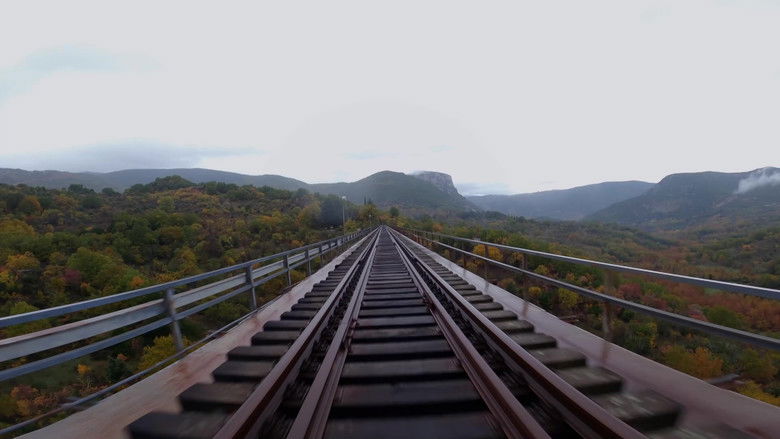
7. The railway connection between Athens and Thessaloniki
Such a long distance is now covered by train in just 4 hours, forming one of the most important transport routes in Greece.
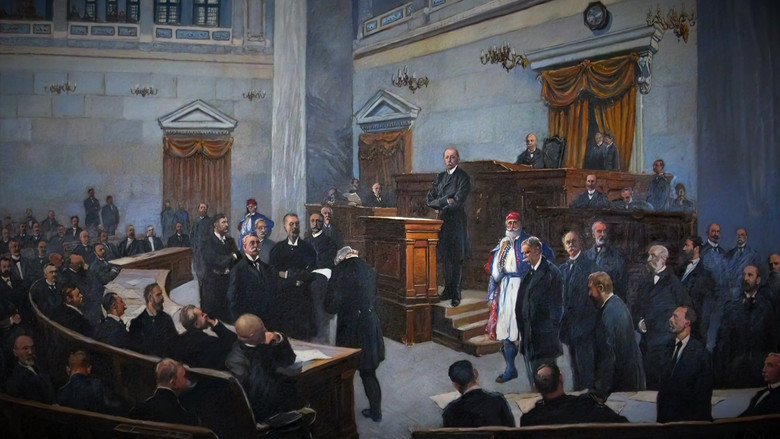
8. The Railways of Thessaly
The liberation of Thessaly from the Ottoman rule will prove a fertile ground for the development of both rich agriculture in the region and an extensive commercial network.
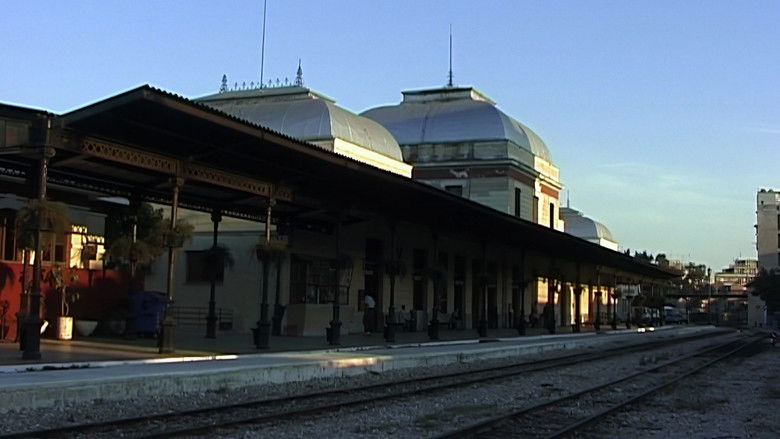
9. The railway networks of the North Peloponnese and Aetolia-Acarnania
Due to the rapid growth in the Peloponnese region, the need for the development of a land-based means for the speedy and mass transport of products becomes evident.
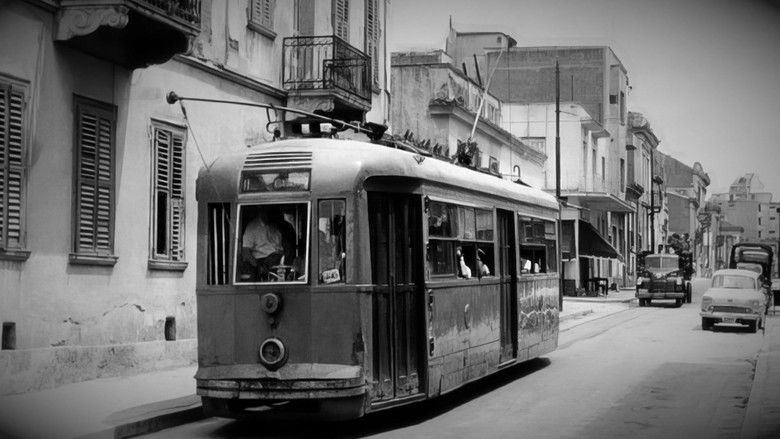
10. The railway networks of the Central and South Peloponnese
The network of the Piraeus-Athens-Peloponnese Railways had already begun to spread in the early 1880s.
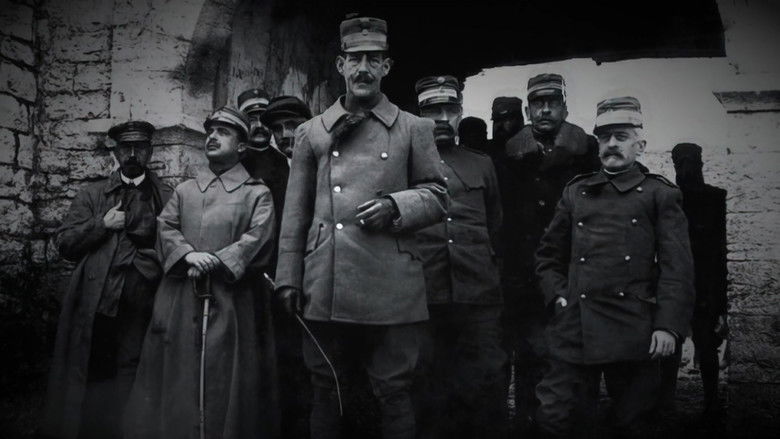
11. The Greek Railways during the National Struggles, Part 1
We learn about the crucial role played by the Greek railway networks in warfare.
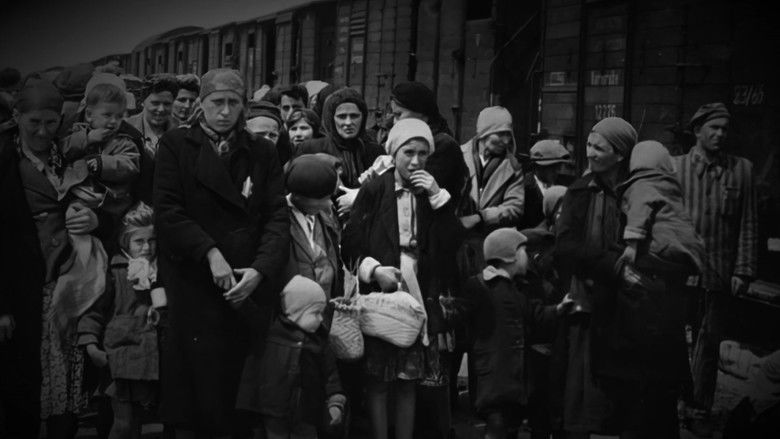
12. The Greek Railways in the National Causes, Part 2
As Germans, Italians and Bulgarians invade Greece, the Greek railways fall into the hands of the enemy.
Cast

Kostis Savvidakis
Self - Narrator (voice)
More Like This

Doctor Detective
When a deadly infectious disease resembling the Ebola virus ravages a small village, a team of epidemiologists led by Doctor Khunkhao races against time to investigate the source of the outbreak and contain the spread.

Wandee Goodday
Because of a broken heart and drunkenness, Dr. Wandee goes from darling to daring, entangling himself with Muay Thai fighter Yoryak Phadetseuk. A one-night stand somehow turns into a fake boyfriends with benefits relationship.
Myths & Monsters
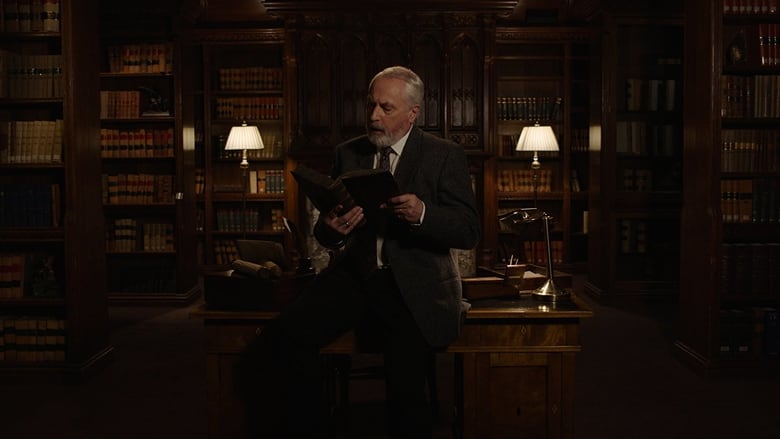
This documentary series tells the stories that have gripped imaginations for centuries and reveals the fascinating and unexpected history behind them.
Born of Revolution
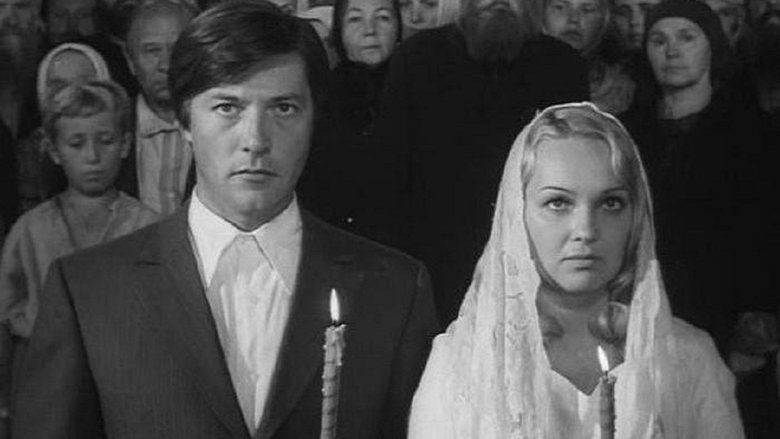
About the struggle between criminal investigators and the criminal world. Based on real events and documents, the film recreates the atmosphere of 1920s Russia, which was swept by a wave of violence... At the heart of the story is the fate and career of a young man who, together with his comrades, is about to make history in Soviet criminal investigation...

Leave it to Piyoko!
Piyoko is the princess of Planet Analogue and leader of the evil Black Gema Gema Gang. But she's a poor royal figure, with little food to eat. When Piyoko's Upchuck Bazooka destroys a whole city, she's forced to flee the planet! With the help of her minions Rik, Ky, and Coo, they plot to kidnap the Princess Di Gi Charat, a.k.a. Dejiko!

Topper
Topper is an American fantasy sitcom based on the 1937 film of the same name. The series was broadcast on CBS from October 9, 1953 to July 15, 1955, and stars Leo G. Carroll in the title role.
The Fall of Milosevic
The BBC documentary made as a sequel to the series "The Death Of Yugoslavia" focusing on the Kosovo crisis and the collapse of the Milosevic regime.

Voice in the Rain
Rarin is an upcoming fashion designer; her creativity is inspired by a mysterious male voice that only she can hear and only when it rains. The voice belongs to Tanthai, a gorgeous model and actor she is about to work with during the upcoming rainy season who hates the voice he has been hearing. Amid many distractions, they choose to follow their hearts and discover that nothing is louder than the sound of their love for each other.

Welke & Pastewka - Wiedersehen macht Freude
Чудотворец
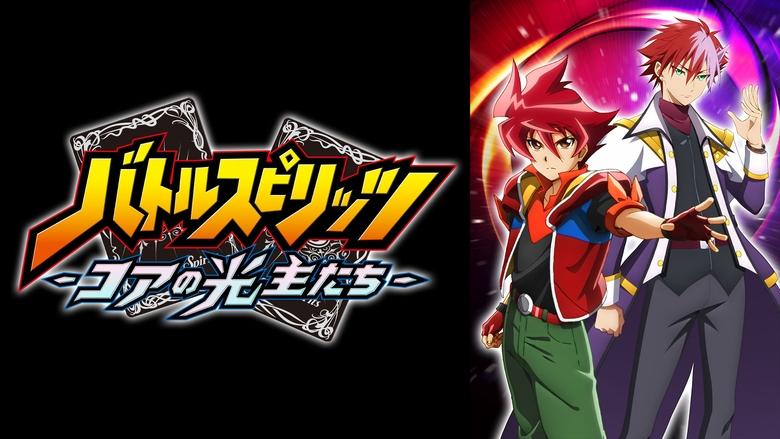
Battle Spirits: The Core Bearers
The series follows the adventure of Bearers of Light's Core that will shape the destiny of the world.
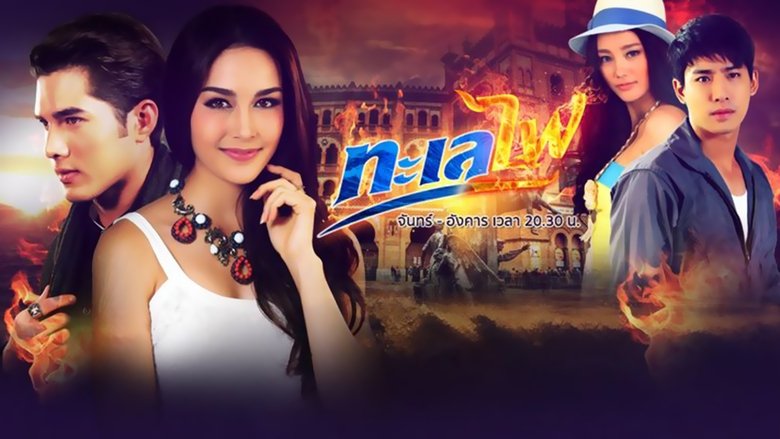
Sea of fire
The boat bombing of Anupong (Kriengkrai Unhanan), owner of the Andaman Pearl Resort and Hotel, leaves Techin (Mick Thongraya), his only son. She had to hurry back to Pearl Island with her mother Nalinee (Savitree Samipak) , as soon as she returned from a once peaceful island. was almost on fire When Nalinee meets Pasika (Seffani Awanik )A young woman she understands is the new wife of her ex-husband Anupong. Nalinee tried to expel Pasika from the island, but was unable to do so because the will stated that Pasika has to work here for 2 years and help Techin with his work. Techin and Pasika have to work together in the midst of many conflicts. He had met Phasika in a foreign country before. Phasika was Techin's love at first sight, but Techin was deeply disappointed when the woman he loved became his father's wife.
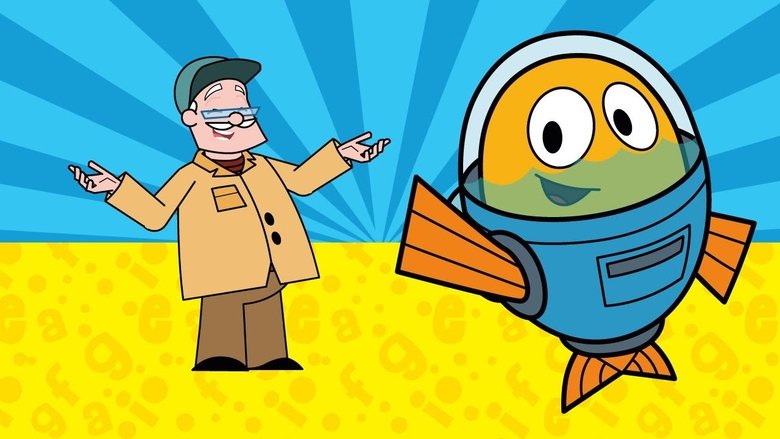
Fishtronaut
The series tells the story of Fishtronaut, a fish in a spacesuit, similar to reverse scuba gear, which allows him to fly and breathe out of water. He is a secret agent of Secret Environmental Agency who, along with his friends Marina and Zeek, unravel the mysteries occurring in the Smiling Trees Park. They solve the mysteries with the help of a P.O.P. (Primary Objective Pod), a magical multicolored ball containing clues vital to the mission.

ROSES AND IVY
A devoted sister’s attempt to help her only sibling conceive stirs buried jealousy and anger, shattering their bond and leaving pain, broken loyalty, and lost love.
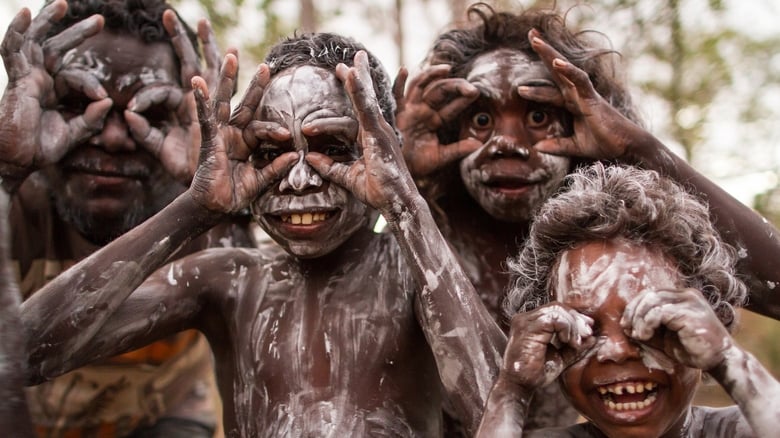
Extraordinary Rituals
Explores the spectacular and emotional world of rituals.

WWE Raw Top 10
Monday Night Raw hosts some of the biggest and best matches in WWE history, featuring Superstars John Cena, Triple H, Becky Lynch and more

孕期被霸总宠上天
Reviews
No reviews available yet.