
The Wonder of Animals
Chris Packham uses groundbreaking science and brand-new behaviour to delve deep beneath the skin and discover the unique features that have made certain animal groups successful.
Production

Production
Seasons
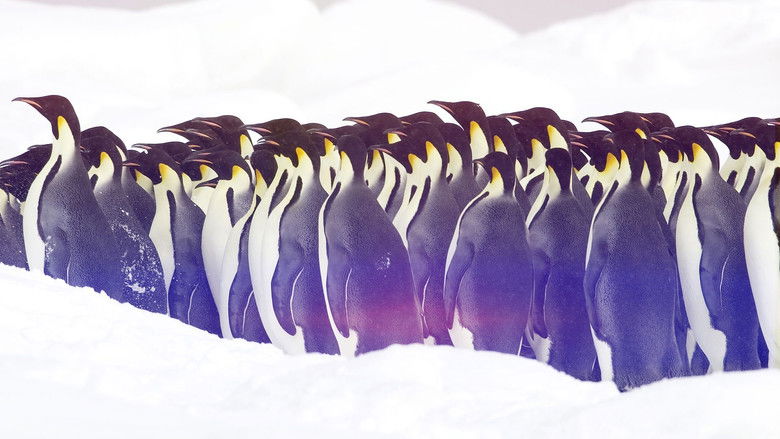
1. Penguins
At first sight, penguins seem ill-suited to their environment - rotund abdomens, stubby little legs and stiff wings appear to make the going tough. But in fact it is these very traits that enable this bird to thrive. Chris explores details of the penguin's anatomy, using new scientific research to reveal how its legs, wings and body shape have allowed it to conquer an extraordinary range of habitats, from deep forests to tropical waters, bustling cities and even the toughest place on the planet - Antarctica.
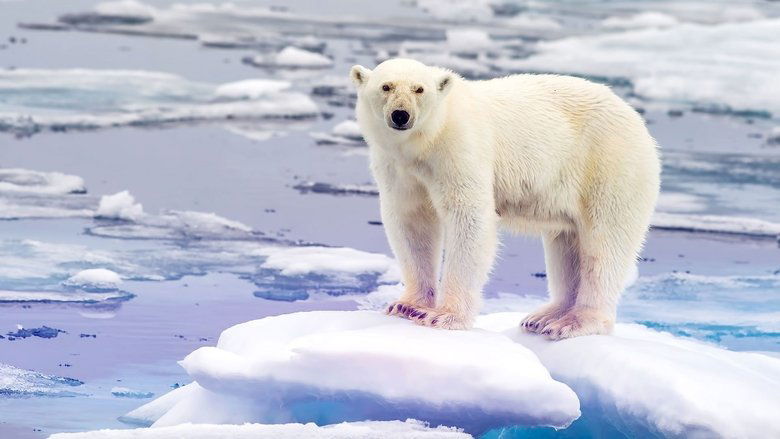
2. Bears
Bears can live in practically every habitat on earth, from tropical jungles to the Arctic Ocean. Wherever they occur, they are capable of surviving extreme conditions and extracting the highest quality food. Detailing the latest research, Chris Packham explores the specialised adaptations that have enabled bears to thrive, including how a polar bear's hollow fur allows it to feed throughout the gruelling Arctic winter, whilst a state of 'walking hibernation' sees them through the summer months.
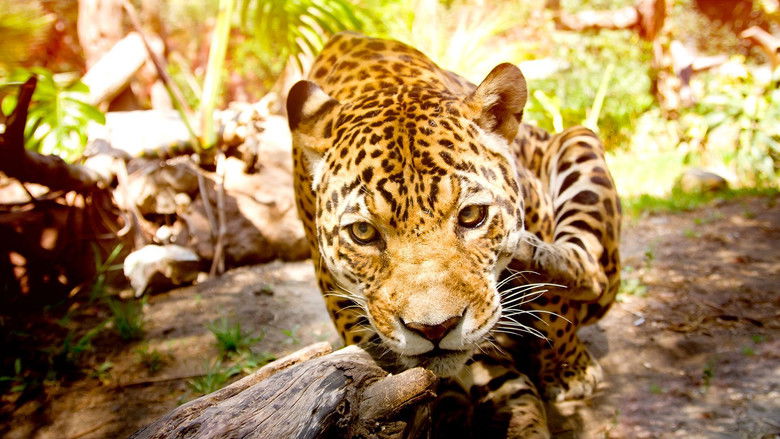
3. Big Cats
Chris Packham delves beneath the skin of the big cats to explore what makes them such good hunters and reveals that it's not all about brawn. New scientific research shows how subtle adaptations in their anatomy and physiology contribute to the success of all stages of a big cat hunt - the stalk, the capture and the kill. Leg hairs help the leopard to stalk and intricate muscle fibres drive the snow leopard to capture its prey. For the jaguar, jaw muscles and whiskers combine to give it a precision bite that can take down a caiman and an enlarged area of the lionesses' brain gives them the edge over all their big cat cousins.
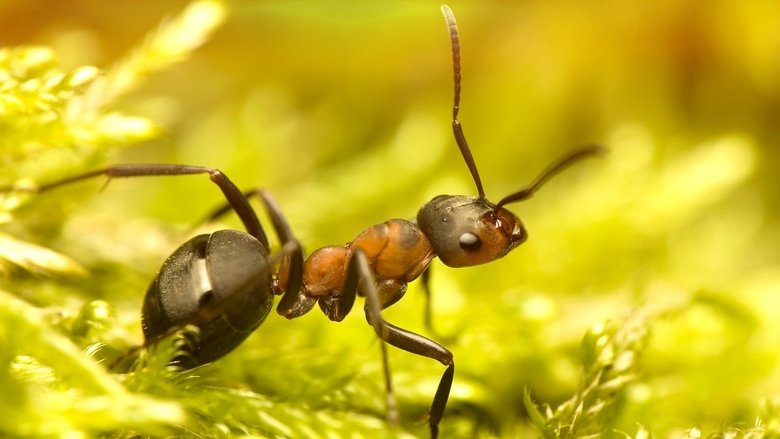
4. Ants
The 100 trillion ants in the world weigh as much as all the people on earth and have colonised the planet like no other animal. Chris Packham explores the ingenious ways in which ants have collaborated to achieve their global success - natural air-conditioning systems keep ants cool in their nests, shelters made from their own bodies protect nomadic ants from the elements and a sense of smell five times more powerful than other insects allows them to overpower animals hundreds of times larger than themselves. Remarkably, new research reveals how ant colonies are capable of immunising themselves against diseases.
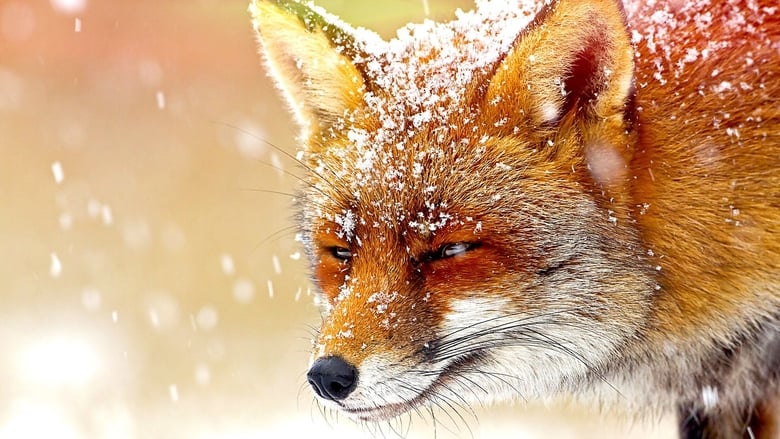
5. Foxes
Across the planet carnivores are struggling to compete in a world with a rocketing human population, but one predator is bucking the trend - the fox. Its numbers are increasing and its geographical range expanding. Chris Packham explores the secrets to its success - its senses, its intelligence and its flexibility. New research reveals how its slit pupils enables it to hunt in the bright desert day; how it may be using the Earth's magnetic field to determine the location of prey during a pounce; and how regular exposure to rotting food is improving the health of the red fox, enabling it to hold its own in an increasingly urban landscape.
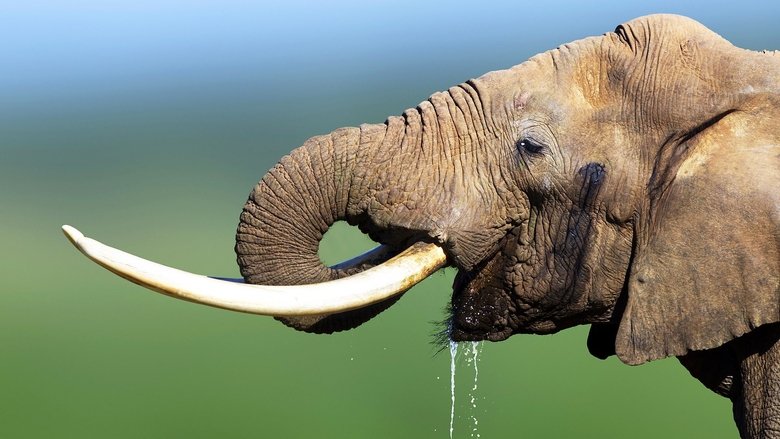
6. Elephants
Chris Packham explores the anatomy and physiology of the largest land animal on the planet - the elephant. Their size seems ill-suited to surviving the most arid regions of Africa, but their inner workings allow them to defy the extreme heat of the desert and find food and water in seemingly barren landscapes, while their extraordinary memory enables them to repel predators. Chris reveals how hairs on the skin help keep elephants cool, how sensors in their feet may be able to guide them towards rain and how a unique pouch in their mouths stores water. Recent research has even discovered that elephants can distinguish between the voices of human friend and foe.
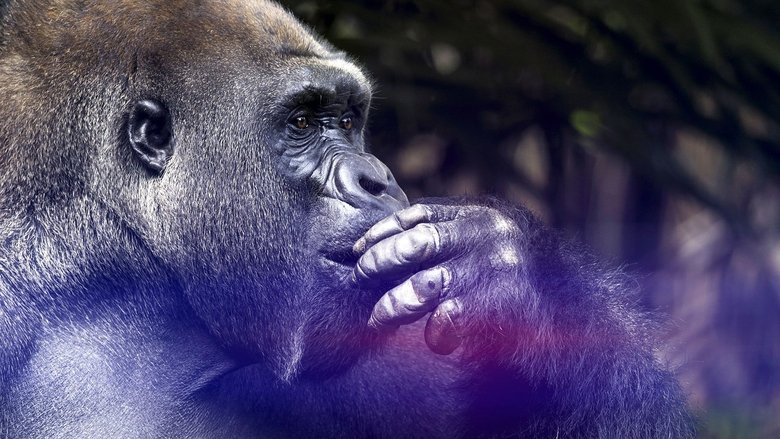
7. Great Apes
Chris Packham explores the evolution of the great ape's brain to reveal how different parts have been adapted over time by its anatomy, ingenuity and sociability, culminating in one of the most complex brains on the planet. Chris examines how the ability to use two hands asymmetrically sets the great ape apart from other tool-using animals and how social living is linked to the evolution of the amygdala in both humans and our ape cousins. New research reveals how bonobos' peace-loving reputation may have developed through a similar domestication process to that undergone by our pet dogs.

8. Crocodiles
Chris Packham explores what lies beneath a crocodile's hard exterior, to discover the secret to its 250-million-year history. It may look like a relic from a prehistoric world, but the crocodile boasts one of the most sophisticated physiologies on the planet. By following all stages of a crocodile hunt from the warm-up to the ambush and the kill, Chris reveals how their extraordinary circulatory system enables them to hold their breath under water for over an hour, how exceptionally sensitive skin detects their prey, through water, from over 20m away and how anti-bacterial blood means they can feast on anthrax-ridden meat.
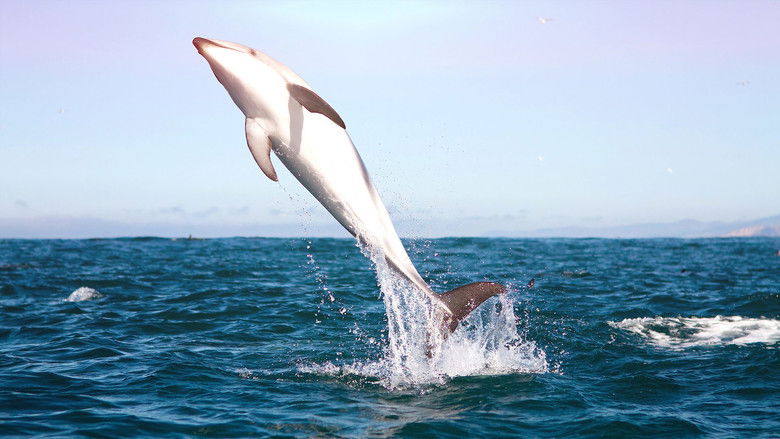
9. Dolphins
Chris Packham explores the success of the most widespread of marine mammals, the dolphin. Contrary to their amiable reputation, they are, in fact, ruthless predators. They hunt using a combination of specialised anatomy and complex communication, requiring a big brain. Chris explains the inner workings of dolphin echolocation, reveals how a pod uses body movements to communicate the location of food and explores the strategies used by orcas during a hunt.
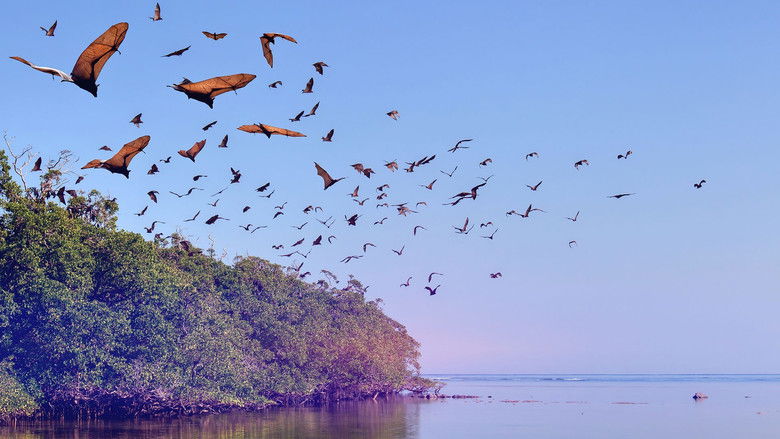
10. Bats
Bats have colonised remote corners of the planet to become one of most widespread mammals on earth. Chris Packham explores their incredible anatomy, physiology and senses to understand what enables them to thrive in some surprising places.
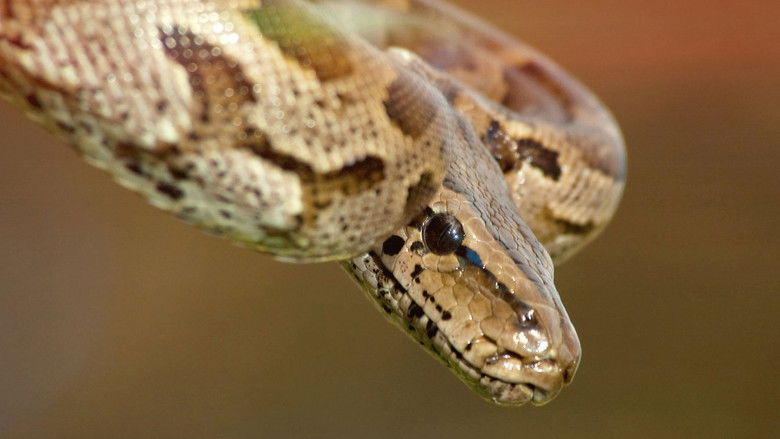
11. Snakes
Chris Packham delves beneath a snake's skin to discover what has made them some of the most successful predators on earth. Their simple body plan hides remarkable adaptations that enable them to rival their limbed, winged and finned counterparts. Chris reveals the variety of ways in which snakes use their bodies not just to slither, but to climb, fly and swim. He explores how they use their senses to hunt, from heat-sensitive pits used to capture prey in the dark to tongues used to lure fish, and how venom acts not just to kill prey but also to pre-digest it.
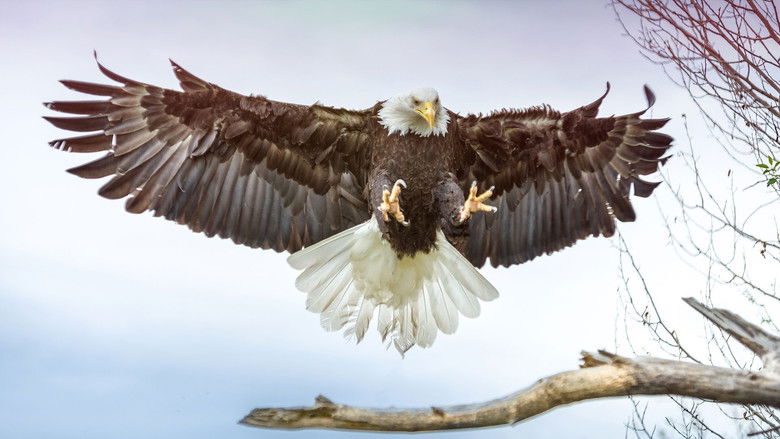
12. Birds of Prey
Chris Packham explores what enables birds of prey to rule the aerial roost. Their ability to dominate their fellow birds in terms of strength, manoeuvrability and phenomenal speed is down to a combination of anatomical and physiological adaptations. Chris explains the internal workings of the bald eagle's ratchet talons and how sharp eyes and a gyroscopic head enable the goshawk to keep its sight firmly fixed on both its prey and its surroundings as it tears through the undergrowth. New research reveals how pop-up feathers on the peregrine falcon's back act like pits on a golf ball to reduce drag - allowing it to reach 220mph.
Cast

Chris Packham
Himself - Presenter
More Like This

War and Peace
The love story of young Countess Natasha Rostova and Count Pierre Bezukhov is interwoven with the Great Patriotic War of 1812 against Napoleon's invading army.
Breaking Bad
Walter White, a New Mexico chemistry teacher, is diagnosed with Stage III cancer and given a prognosis of only two years left to live. He becomes filled with a sense of fearlessness and an unrelenting desire to secure his family's financial future at any cost as he enters the dangerous world of drugs and crime.

Stranger Things
When a young boy vanishes, a small town uncovers a mystery involving secret experiments, terrifying supernatural forces, and one strange little girl.

Brooklyn Nine-Nine
A single-camera ensemble comedy following the lives of an eclectic group of detectives in a New York precinct, including one slacker who is forced to shape up when he gets a new boss.

It
In 1960, seven outcast kids known as "The Losers' Club" fight against an ancient shape-shifting alien who poses as a child-killing clown, while also dealing with bullies and abusive parents. Thirty years later, they reunite to stop the creature once and for all when it returns to their hometown.

Squid Game
Hundreds of cash-strapped players accept a strange invitation to compete in children's games. Inside, a tempting prize awaits — with deadly high stakes.

Wednesday
Smart, sarcastic and a little dead inside, Wednesday Addams investigates twisted mysteries while making new friends — and foes — at Nevermore Academy.

Death Note
Light Yagami is an ace student with great prospects—and he’s bored out of his mind. But all that changes when he finds the Death Note, a notebook dropped by a rogue Shinigami death god. Any human whose name is written in the notebook dies, and Light has vowed to use the power of the Death Note to rid the world of evil. But will Light succeed in his noble goal, or will the Death Note turn him into the very thing he fights against?

WandaVision
Wanda Maximoff and Vision—two super-powered beings living idealized suburban lives—begin to suspect that everything is not as it seems.
Game of Thrones
Seven noble families fight for control of the mythical land of Westeros. Friction between the houses leads to full-scale war. All while a very ancient evil awakens in the farthest north. Amidst the war, a neglected military order of misfits, the Night's Watch, is all that stands between the realms of men and icy horrors beyond.

Friends
Six young people from New York City, on their own and struggling to survive in the real world, find the companionship, comfort and support they get from each other to be the perfect antidote to the pressures of life.

Doctor Who
The Doctor is a Time Lord: a 900 year old alien with 2 hearts, part of a gifted civilization who mastered time travel. The Doctor saves planets for a living—more of a hobby actually, and the Doctor's very, very good at it.

The Walking Dead
Sheriff's deputy Rick Grimes awakens from a coma to find a post-apocalyptic world dominated by flesh-eating zombies. He sets out to find his family and encounters many other survivors along the way.

The Boys
A group of vigilantes known informally as “The Boys” set out to take down corrupt superheroes with no more than blue-collar grit and a willingness to fight dirty.

Obi-Wan Kenobi
During the reign of the Galactic Empire, former Jedi Master, Obi-Wan Kenobi, embarks on a crucial mission to confront allies turned enemies and face the wrath of the Empire.

Two and a Half Men
A hedonistic jingle writer's free-wheeling life comes to an abrupt halt when his brother and 10-year-old nephew move into his beach-front house.

Chernobyl
The true story of one of the worst man-made catastrophes in history: the catastrophic nuclear accident at Chernobyl. A tale of the brave men and women who sacrificed to save Europe from unimaginable disaster.

Halo
Depicting an epic 26th-century conflict between humanity and an alien threat known as the Covenant, the series weaves deeply drawn personal stories with action, adventure and a richly imagined vision of the future.

Shōgun
In Japan in the year 1600, at the dawn of a century-defining civil war, Lord Yoshii Toranaga is fighting for his life as his enemies on the Council of Regents unite against him, when a mysterious European ship is found marooned in a nearby fishing village.
The Good Doctor
Shaun Murphy, a young surgeon with autism and savant syndrome, relocates from a quiet country life to join a prestigious hospital's surgical unit. Unable to personally connect with those around him, Shaun uses his extraordinary medical gifts to save lives and challenge the skepticism of his colleagues.
Reviews
No reviews available yet.