
The World at War
A documentary series that gives a historical account of the events of World War II, from its roots in the 1920s to the aftermath and the lives it profoundly influenced.
Production


Production
Trailers & Videos

The World At War 1973(World War II Documentary) 01.A New Germany (1933–1939)
Seasons
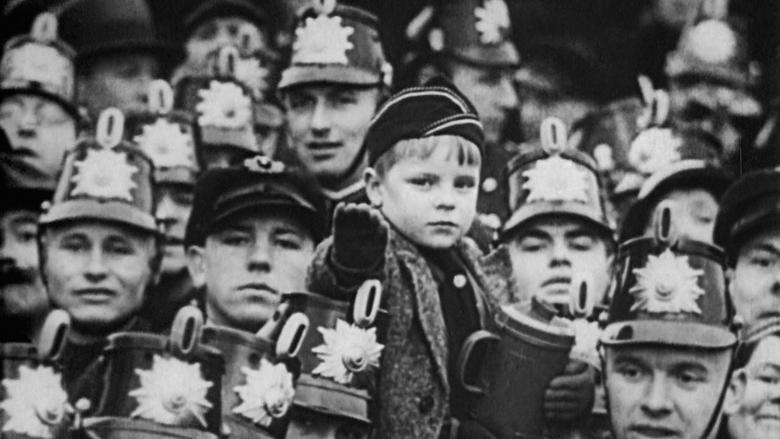
1. A New Germany (1933–1939)
Germany, a nation stricken by humiliating defeat and emerging from crippling economic depression, looks to one man for a resurgence of hope and dignity. That man is Adolf Hitler…

2. Distant War (September 1939–May 1940)
In Eastern Europe, the full force of the Nazi machine rolls on - but in Britain, an uneasy calm settles on the nation. It is the 'phoney' war, with the sound of distant guns thundering ominously on the horizon…

3. France Falls (May–June 1940)
France discovers it is woefully unprepared for modern warfare as the Nazi war machine easily skirts around the Maginot Line. Britain retreats and prepares for invasion.

4. Alone (May 1940–May 1941)
After Dunkirk, Britain faces the German onslaught. Although the RAF wins the Battle of Britain, the cities are blitzed and on the continent, the last Allies are conquered. The outlook is grim.

5. Barbarossa (June–December 1941)
Hitler at last turns his tanks towards Russia. After a succession of devastating victories, the Germans delay and the fierce Russian winter takes a grip.

6. Banzai! Japan (1931–1942)
At war since 1931 on the Chinese mainland, the Japanese hope for easy victories over the British and Dutch. And then on December 7th 1941, Japan makes their infamous attack on Pearl Harbour.

7. On Our Way: U.S.A. (1939–1942)
Americans are divided between fighting the Japanese and the Nazis. Hitler solves the problem by declaring war on the U.S.A.

8. The Desert: North Africa (1940–1943)
For 2 years the 8th Army and Rommel's Afrika Corps fight in the wastes of North Africa. Finally the tide turns at El Alamein.

9. Stalingrad (June 1942-February 1943)
Hitler's early successes in Russia made him reckless and he resolves to capture Stalingrad. The battle lasts six months with the Russians emerging as victors. The Wehrmacht never recovers.
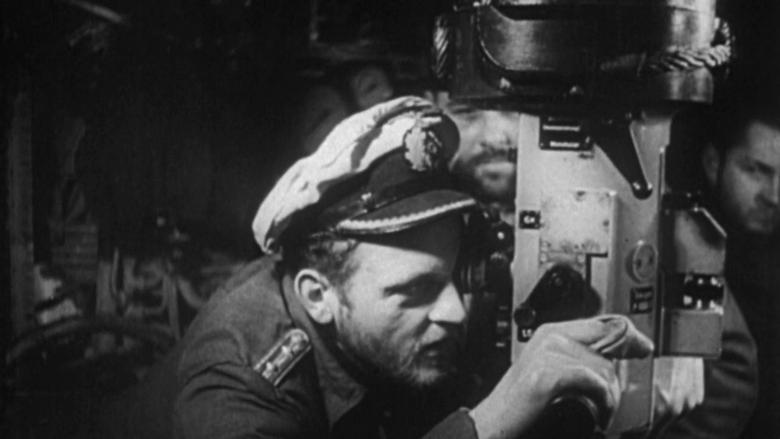
10. Wolfpack: U-Boats in the Atlantic (1939–1944)
In a war of high technology and animal courage, the German U-Boats fight Allied merchantmen, hounding them in packs.

11. Red Star: The Soviet Union (1941–1943)
For two years the Soviet Army fights the Germans almost alone. After one of the greatest land battles in history, the nation survives and triumphs - but with a loss of no less than twenty million of its people.

12. Whirlwind: Bombing Germany (September 1939–April 1944)
Bomber Command begin bombing German cities by night and the Americans reinforce the attacks by day; a whirlwind of terror and destruction that will win the war.

13. Tough Old Gut: Italy (November 1942-June 1944)
Churchill called Italy the 'soft underbelly of the crocodile' and thought the Allies could cut through it to the heart of Germany. By the soft underbelly turned out to be a 'tough old gut'.

14. It's a Lovely Day Tomorrow: Burma (1942–1944)
Vera Lynn sang of a lovely day tomorrow, but the war in Burma was mud and monsoon. Britain's largest army learned to master the jungle and fought the Japanese to standstill.

15. Home Fires: Britain (1940–1944)
Finding strength in unity at home in Britain during the war, it was a time of gas masks, Winston Churchill, Dig for Victory, evacuation, George Formby, the Land Army, ITMA, the Squander Bug and the Beveridge Report.

16. Inside the Reich: Germany (1940–1944)
Initial victory in Europe turns sour after the defeat at Stalingrad, yet Germany prepares to fight to the end - even after an assassination attempt on the Führer.

17. Morning (June–August 1944)
The Western Allies resolve to invade Europe. England becomes a floating supply dump and the British and Americans assemble the largest invasion fleet in history. It is June 6th 1944 - D Day.

18. Occupation: Holland (1940–1944)
Through a neutral country, Holland is attacked by Germany without warning in 1940. During the next four years, life carries on seemingly without incident, but underneath resistance never dies.
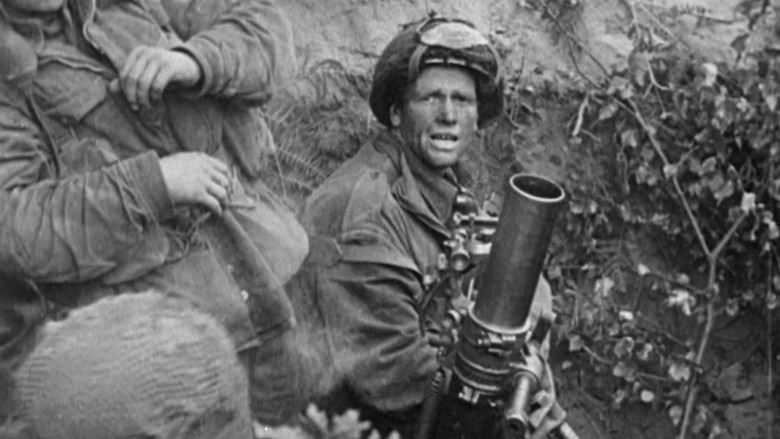
19. Pincers (August 1944–March 1945)
The end of the war appears close at hand with the liberation of Paris in 1944, but the British and Americans disagree on how to advance. Meanwhile, Poland suffers devastating losses to achieve victory.
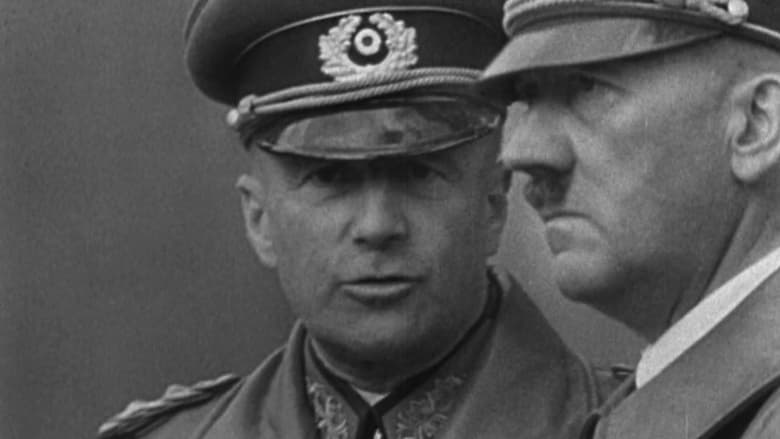
20. Genocide (1941–1945)
The Nazi's are racist; the Aryans are a master race, others, particularly the Jews are sub-human. Himmler's SS sets about ridding Europe of millions of Jews.

21. Nemesis (February–May 1945)
Hitler retreats to the Fuhrer bunker is Berlin as Germany crumbles around him and his lieutenants abandon him to a fate of suicide. Meanwhile, the Russians raise the red flag in Berlin.

22. Japan (1941–1945)
Initially apprehensive about the outcome of declaring war, the Japanese quickly turn to celebration with early victory. In the end, their worst fears are unimaginably exceeded.

23. Pacific - The Island to Island War (February 1942–July 1945)
The Americans fight their way across the Pacific towards Japan and the Phillipines. Perhaps the bloodiest campaign of all, each island has to be taken by storm and the Japanese fight to the last man.

24. The Atomic Bomb (February–September 1945)
Western scientists have developed a new, immensely powerful weapon - the atomic bomb. On August 6th 1945, the Enola Gay delivers the world's first atomic bomb to Hiroshima. The world would be forever altered.

25. Reckoning (April 1945)
The war ends slowly and messily. Britain is victorious but exhausted and the super-powers confront each other as they decide the fate of Europe.

26. Remember
For many the Second World War was the most significant experience of their lives. Heartbreaking first hand remembrances from a vast array of survivors on both sides of the war.
Cast

Laurence Olivier
Narrator
More Like This
Space
Sam Neill takes an amazing journey across the Universe and finds beauty and danger on the way.

The Death of Yugoslavia
The Death of Yugoslavia is a BAFTA-award winning BBC documentary series first broadcast in 1995. It covers the collapse of the former Yugoslavia. It is notable in its combination of never-before-seen archive footage interspersed with interviews of most of the main players in the conflict, including Slobodan Milošević, the then President of Serbia. Norma Percy won the 1996 BAFTA TV Award for 'Best Factual Series' for the documentary. However, it has been argued that it presents a potentially slightly biased point-of-view; for instance during the trial of Milošević before the ICTY in The Hague, Judge Bonomy called the nature of much of the commentary "tendentious" (partisan).

Squidbillies
Squidbillies is an animated television series about the Cuylers, an impoverished family of anthropomorphic hillbilly mud squids living in the Appalachian region of Georgia's mountains. The show is produced by Williams Street Studios for the Adult Swim programming block of Cartoon Network and premiered on October 16, 2005. It is written by Dave Willis, co-creator of Aqua Teen Hunger Force, and Jim Fortier, previously of The Brak Show, both of whom worked on the Adult Swim series Space Ghost Coast to Coast. The animation is done by Awesome Incorporated, with background design by Ben Prisk.

Emmerdale
The lives of several families in the Yorkshire Dales revolve around a farm and the nearby village. With murders, affairs, lies, deceit, laughter and tears, it's all there in the village.

The Shivering Truth
A miniature propulsive omnibus clusterbomb of painfully riotous daymares all dripping with the orange goo of dream logic. A series of loosely linked emotional parables about stories within tales that crawled out of the deepest caverns of your unconscious mind and became lovingly animated in breath-slapping stop motion - in other words, it is the truth.

Monty Python's Flying Circus
A British sketch comedy series with the shows being composed of surreality, risqué or innuendo-laden humour, sight gags and observational sketches without punchlines.
Wet Hot American Summer: First Day of Camp
It's the first day of camp in this outrageous prequel to the hilarious 2001 cult classic movie. And at Camp Firewood, anything can happen.

BrainDead
A young fresh-faced Hill staffer gets her first job in Washington, D.C. and discovers two things: 1. The government has stopped working, and 2. alien spawn have come to earth and eaten the brains of a growing number of Congressmen and Hill staffers.

The Eric Andre Show
A comedic talk show from an alternate reality featuring unstable hosts, a variety of celebrities—both real and fake—and unusual studio action.
Scenes from a Marriage
Johan and Marianne appear to have a stable marriage, but their relationship begins to unravel when Johan reveals an affair. Over the course of several years, the series follows their separation, divorce, and continued interactions as they form new relationships while remaining emotionally bound to one another. Told across six episodes, the narrative traces the changing terms of their intimacy, conflict, and dependency. (Note: This entry covers the 1973 six-part Swedish television miniseries. A condensed theatrical feature assembled from the same material was released separately in 1974.)
The Vietnam War
An immersive 360-degree narrative telling the epic story of the Vietnam War as it has never before been told on film. Featuring testimony from nearly 80 witnesses, including many Americans who fought in the war and others who opposed it, as well as Vietnamese combatants and civilians from both the winning and losing sides.
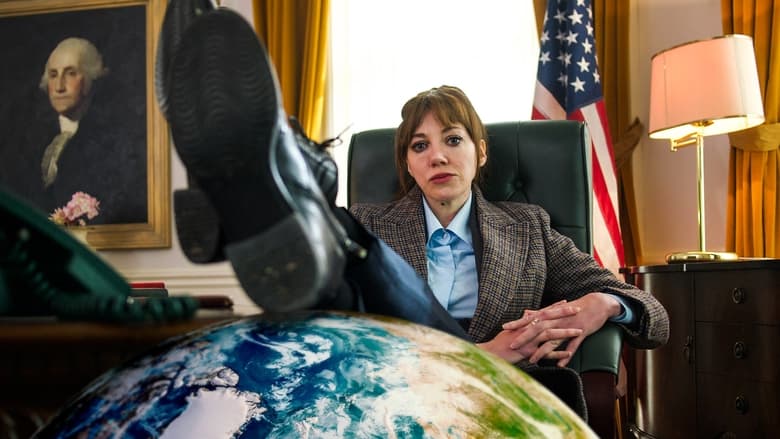
Cunk on...
Landmark mockumentary-maker Philomena Cunk traces the history of Britain and Earth.
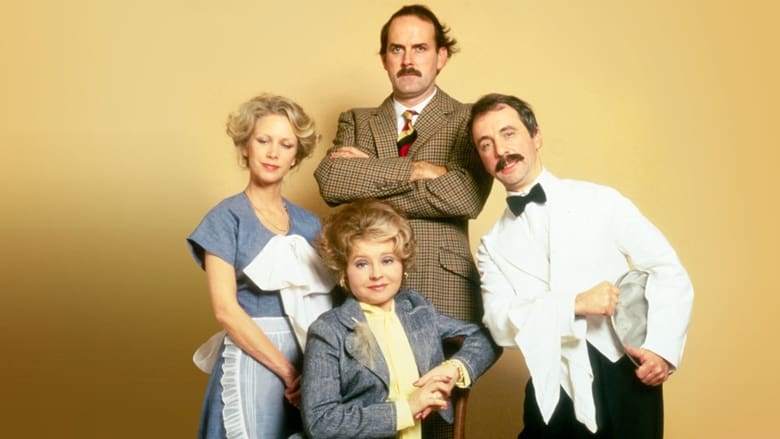
Fawlty Towers
Owner Basil Fawlty, his wife Sybil, a chambermaid Polly, and Spanish waiter Manuel attempt to run their hotel amidst farcical situations and an array of demanding guests.
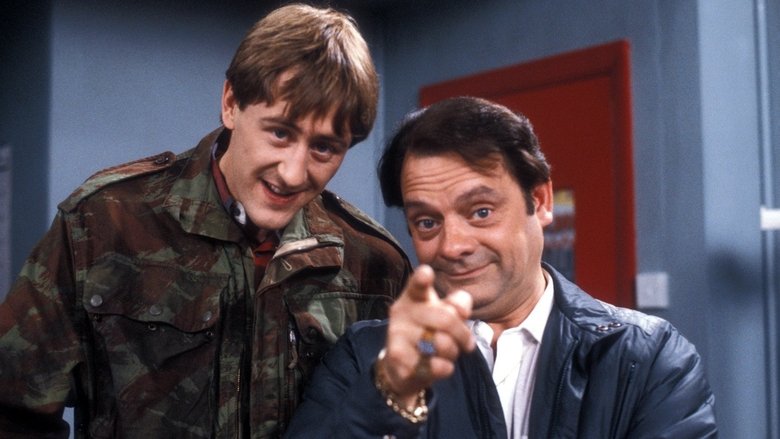
Only Fools and Horses
Only Fools and Horses.... Is a British sitcom created and written by John Sullivan. Seven series were originally transmitted on BBC One from 1981 to 1991, with sixteen sporadic Christmas specials aired until 2003. In working-class Peckham in south-east London, ambitious market trader Derek 'Del Boy' Trotter and his younger half-brother Rodney, explore their highs and lows in life, in particular their attempts to get rich. Initially not an immediate hit and receiving little promotion early on, it later achieved consistently high ratings, and the 1996 episode "Time on Our Hands" (originally billed as the series finale) holds the record for the biggest UK audience for a sitcom episode, attracting 24.3 million viewers. The series bears a significant influence on British culture, contributing several words and phrases to the English language.
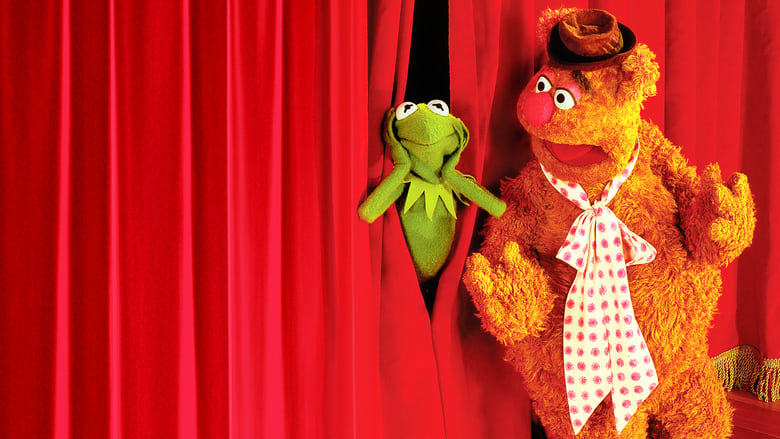
The Muppet Show
Go behind the curtains as Kermit the Frog and his muppet friends struggle to put on a weekly variety show.

Red Dwarf
The adventures of the last human alive and his friends, stranded three million years into deep space on the mining ship Red Dwarf.
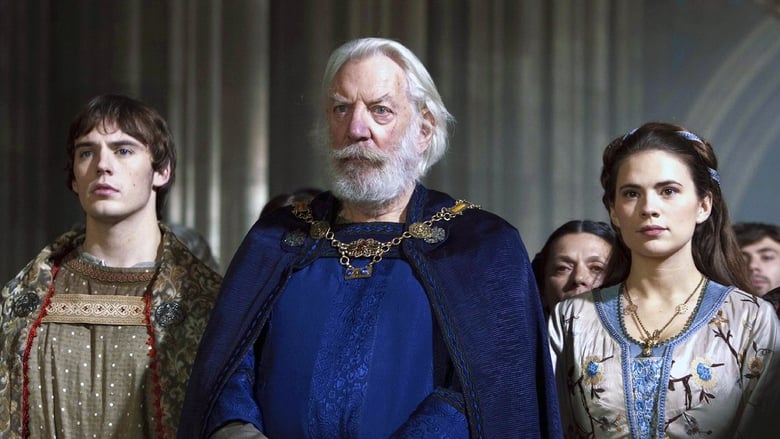
The Pillars of the Earth
A sweeping epic of good and evil, treachery and intrigue, violence and beauty, a sensuous, spirited story set against a backdrop of war, religious strife and power struggles in 12th Century England.
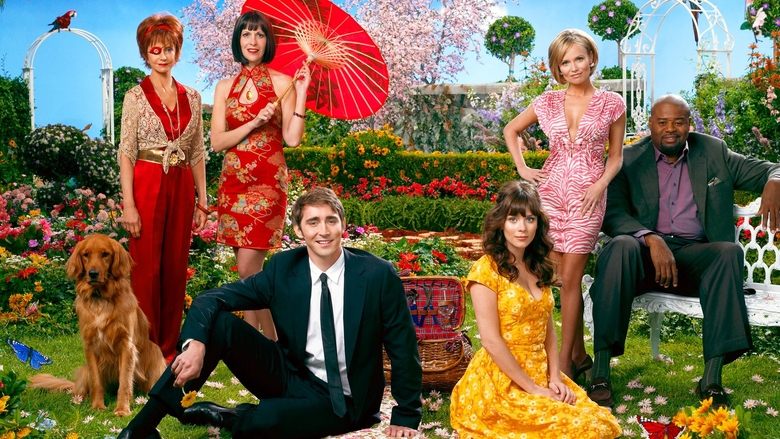
Pushing Daisies
A pie-maker, with the power to bring dead people back to life, solves murder mysteries with his alive-again childhood sweetheart, a cynical private investigator, and a lovesick waitress.
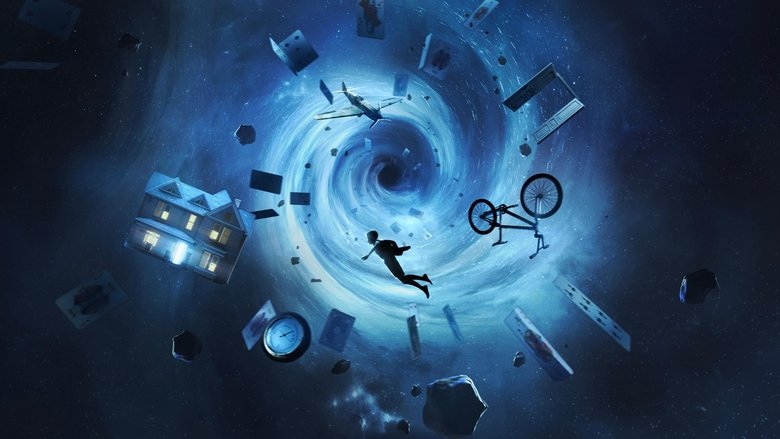
Amazing Stories
This reimagining of the classic anthology series transports everyday characters into worlds of wonder, possibility, and imagination.

Cosmos
Famed astrophysicist Neil deGrasse Tyson provides clarity for the vision of the cosmos as he voyages across the universe with never-before-told stories that delve into the scientific concepts of the laws of gravity and the origins of space and time.
Reviews
SWITCH.
I'd been keen to tackle 'The World at War' for years, even despite its length and age, but I was not at all prepared for how contemporary and powerful an experience it would be. Of course, there are gaps in the story that we've only been able to fill with time, but even after nearly fifty years, it's hard to imagine another documentary series doing a better job at capturing the full, furious scope of the Second World War. Its influence on documentary television is evident from the moment it begins, with its DNA evident even in the work of Ken Burns. 'The World at War' wholly deserves its reputation as a landmark series, and this preservation in the high definition format.
- Daniel Lammin
Read Daniel's full article...
https://www.maketheswitch.com.au/article/review-the-world-at-war-the-landmark-documentary-series-restored-in-high-definition
You've reached the end.