Wild Corridors

By constantly expanding and taking up land, humans have reduced wildlife territories, disrupting the natural passages through which animals must travel to meet their needs. Known as 'ecological corridors', these pathways are key to protecting biodiversity. So how do wild species fit into an increasingly inhabited, concrete, developed Earth? Are we capable of sharing territories with other living species? Beyond creating enclosed, 'safe' reserves and sanctuaries, what are the solutions to preserve these wild areas? All over the world, scientists, environmental protectors and inhabitants of these lands are working together to revive these corridors and restore the free movement of wildlife.

Production

Logo for BBC Alba

Seasons

4 Episodes • Premiered 2024
Still image for Wild Corridors season 1 episode 1: Desert Lions / Leòmhannan Fàsaich

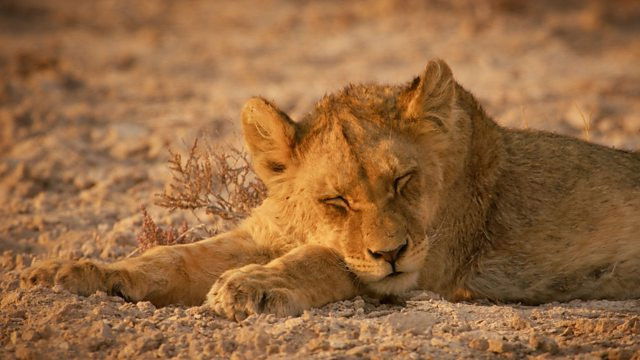
1. Desert Lions / Leòmhannan Fàsaich

How ecological corridors have helped the desert lion prosper in the the Kunene Region of north western Namibia.

Still image for Wild Corridors season 1 episode 2: Bears of the Carpathians/Mathain nan Carpathian

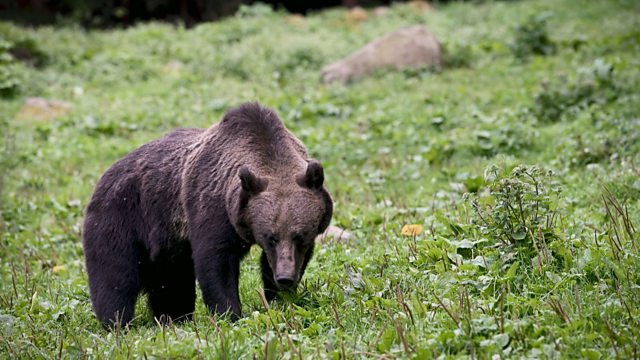
2. Bears of the Carpathians/Mathain nan Carpathian

To preserve Romanian wildlife, a 150km-long passage was created in 2010: the Zarand corridor. For bears, this gateway is key to survival.

Still image for Wild Corridors season 1 episode 3: Bengal Tigers/Tìgearan Bengal

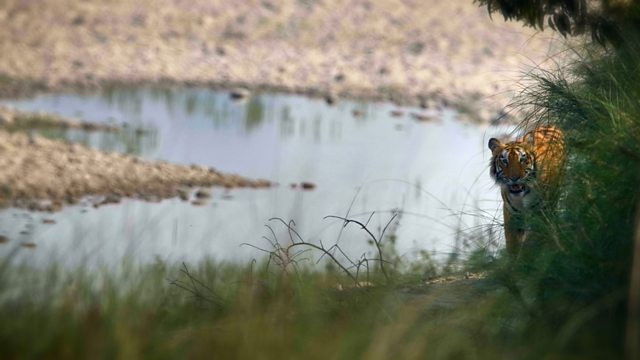
3. Bengal Tigers/Tìgearan Bengal

The Terai region is at the foot of the Himalayas, where Bengal tigers live in numbers. Aig cois na Himalaya, tha sgìre Terai. An seo, tha tìgearan Bengal beò ann am buidhnean

Still image for Wild Corridors season 1 episode 4: Bearded Vultures/Cnàimh-bhristich

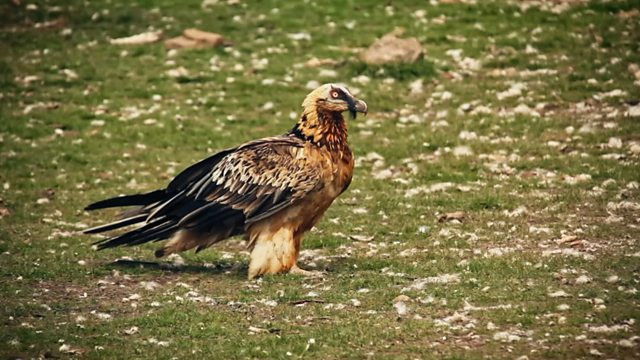
4. Bearded Vultures/Cnàimh-bhristich

Restoring the corridor between the Pyrenees and the Alps, along with the native species including the largest and rarest of vultures.

Reviews

No reviews available yet.