
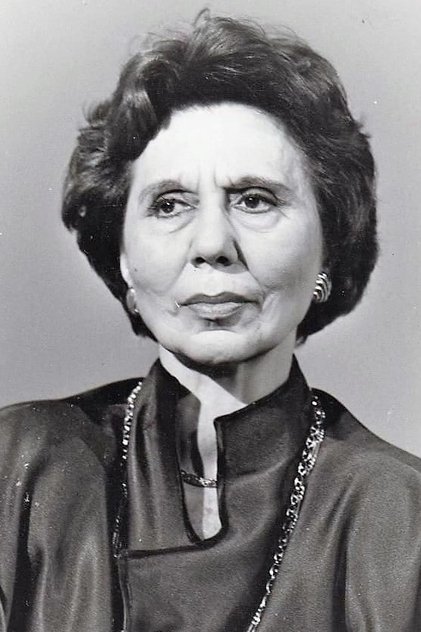
Alice Sapritch
Acting
Biography
Alice Sapritch (29 July 1916 – 24 March 1990) was a French film actress. She appeared in 66 films between 1950 and 1989. Source: Article "Alice Sapritch" from Wikipedia in English, licensed under CC-BY-SA 3.0.
Born: July 29, 1916
Place of Birth: Constantinople, Ottoman Empire [now Istanbul, Turkey]
Known For
Amédée ou comment s'en débarrasser
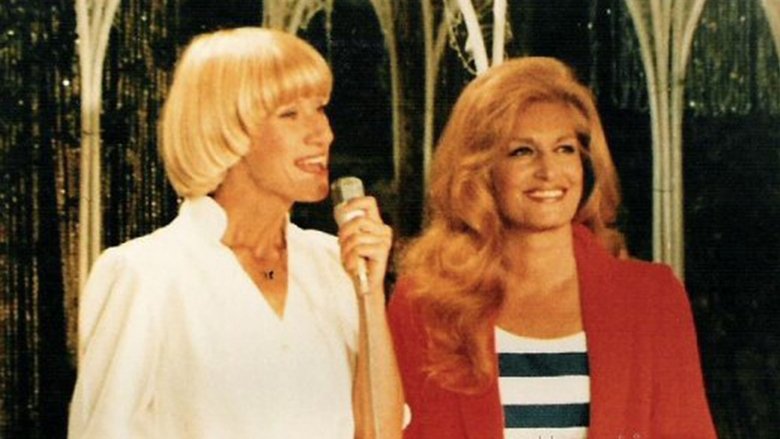
Midi Première
Midi Première is a French variety show presented by Danièle Gilbert, directed by Jacques Pierre and broadcast from January 6, 1975 until January 1, 1982 on TF1. The program was generally broadcast between 12:15 p.m. and 12:55 p.m., then giving way to the 1:00 p.m. TV news. However, the broadcast schedule could change, depending on the guests, and the setting where the recording of the program was shot. Certain performances by artists who have become cult like the one where Ringo jostles with a demonstrator in interpretation (1977), that of Dalida with the title There is always a song with the soundtrack that does not start, twice, at the right speed (1978), Claude François and his Clodettes, who, in the provinces, are unable to join "the set" in order to interpret his song, the latter being taken by the crowd of delirious fans (summer 1977) . The group Supertramp performed there with the title "Dreamer" on March 8, 1975.
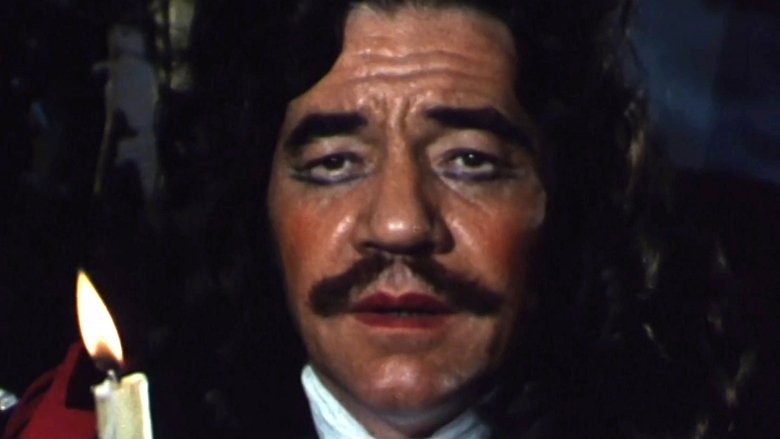
Molière pour rire et pour pleurer
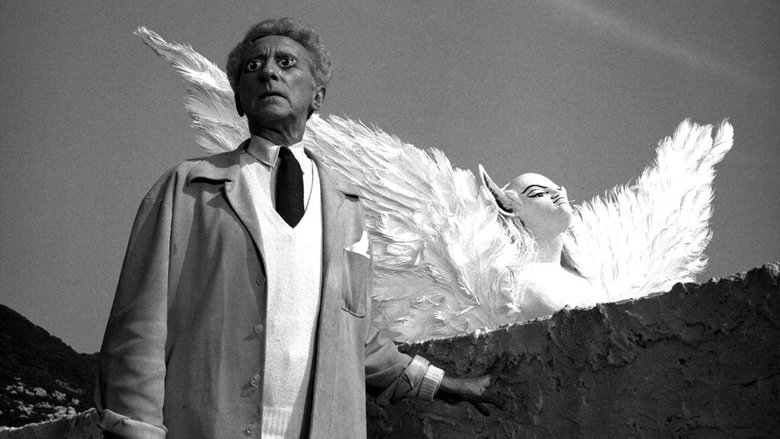
Testament of Orpheus
An 18th century poet travels through time in search of divine wisdom. In a mysterious wasteland, he has a series of enigmatic encounters with symbolic phantoms with whom he muses about the nature of art and his own career. Ultimately, the poet strives to achieve his rebirth as a celestial being.
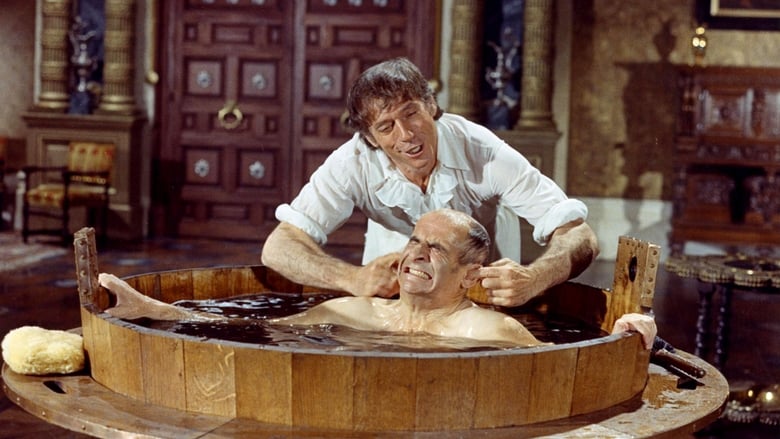
Delusions of Grandeur
Don Sallust is the minister of the King of Spain. Being disingenuous, hypocritical, greedy and collecting the taxes for himself, he is hated by the people he oppresses. Accused by The Queen, a beautiful princess Bavarian, of having an illegitimate child to one of her maids of honor, he was stripped of his duties and ordered to retire to a monastery.

The Twelve Tasks of Asterix
Asterix and Obelix depart on an adventure to complete twelve impossible tasks to prove to Caesar that they are as strong as the Gods. You'll roar with laughter as they outwit, outrun, and generally outrage the very people who are trying to prove them "only human".
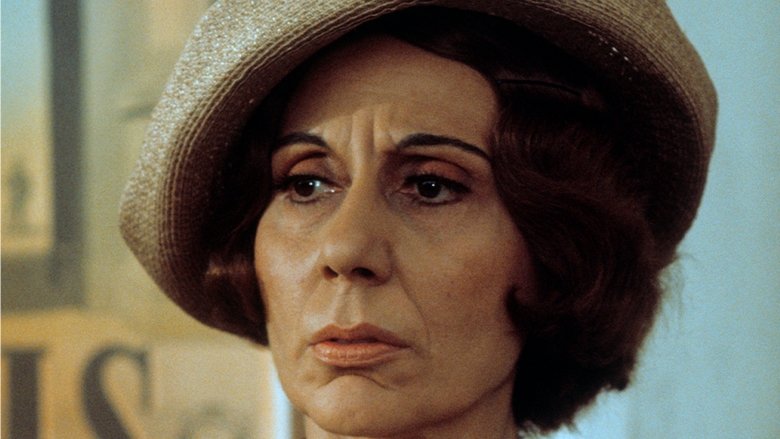
Viper in the Fist
Jean, nicknamed Brasse-Bouillon, and his brother Ferdinand live with their paternal grandmother, who is responsible for their upbringing. But when their parents returned from Japan, they settled in Belle-Angerie and resumed their role with the children, while their grandmother had to leave for cousins. The boys soon come up against the contempt of their mother, Marthe. Faced with this shrew, whom he nicknamed "Folcoche" (a contraction of "madwoman" and "pig"), Jean decided to join the resistance.
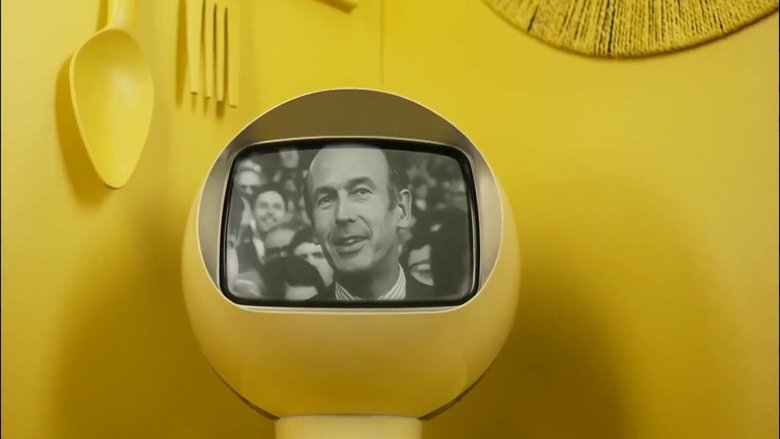
La TV des 70's : Quand Giscard était président
In May 1974, Valéry Giscard d'Estaing became President of the Republic and wanted to bring about a new era of modernity. One of his first decisions was to break up the ORTF with the creation of three new television channels: TF1, Antenne 2 and FR3. Three new public channels but autonomous and competing. It is a race for the audience which is engaged then, and from now on the channels will make the war! This competition will give birth to a real golden age for television programs, with variety shows in the forefront. The stars of the song are going to invade the living rooms of the French for their biggest pleasure. This unedited documentary tells the story of the metamorphosis of this television of the early 1970s, between freedom of tone, scandals, political intrigues and programs that have become mythical.
Shoot the Piano Player
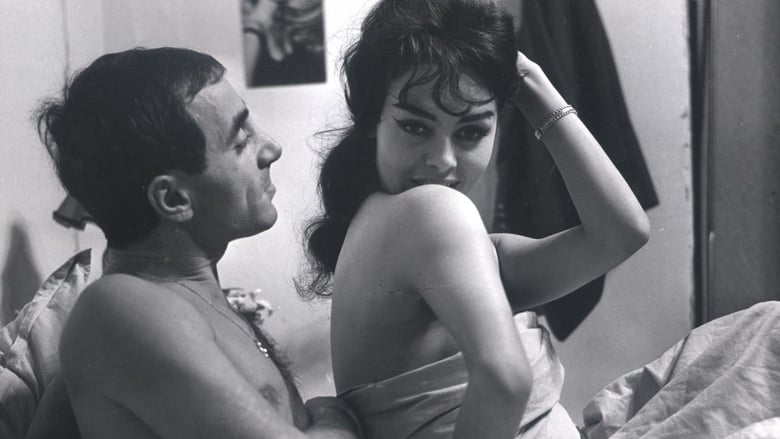
Charlie is a former classical pianist who has changed his name and now plays jazz in a grimy Paris bar. When Charlie's brothers, Richard and Chico, surface and ask for Charlie's help while on the run from gangsters they have scammed, he aids their escape. Soon Charlie and Lena, a waitress at the same bar, face trouble when the gangsters arrive, looking for his brothers.
Catherine de Médicis
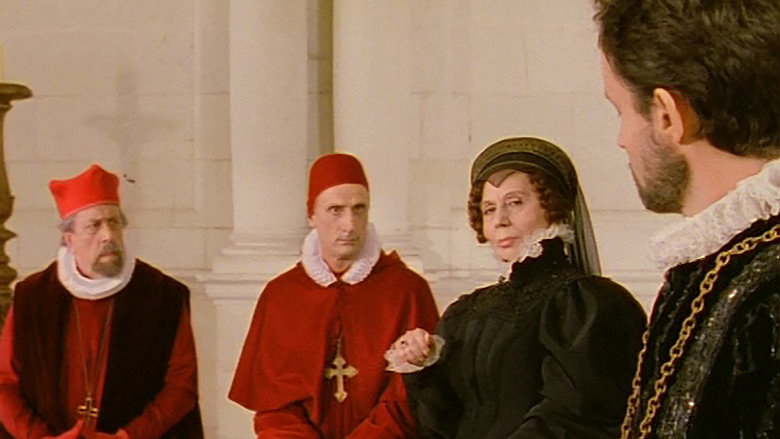
This film, in two parts, is considered a cultural work admirably embodied by Alice Sapritch. The TV movie focuses on the period of the late 16th century in France, ravaged by religious wars, and highlights the efforts of Catherine de Medici to defend the throne of her sons and maintain the unity of the kingdom. The role of Catherine de Medici in this TV movie is an interpretation that gives more humanity to this historical figure often presented in a negative light in history.
Filmography
as Self (archive footage)
as Self (archive footage)
as Catherine de Médicis
as Self
as Folcoche
as Marie Besnard
as Dowager on the Eiffel Tower
as Fanchette, dite la Maldiva.
as Léontine MacMiche
as Self
as Aunt Elizabeth Brontë
as la voyante
as Gilda Simfrid
as Marlene
as Additional voices (uncredited)
as Self
as Self
as Self
as Self
as la vieille dame
as Great comedienne
as Eva Braun
as La dame blonde
as Aunt Aimée
as Mme Béjart
as Dame Blanche
as Ramona Martinez
as Mme Rose
as Marie Brunel
as La comtesse de Beauchamp-Laville
as La directrice de la Maison de Repos
as L'automobiliste hargneuse
as Léonie, la bonne du curé
as Dona Juana, first lady of the queen
as Self
as Lucienne Roubier
as Marthe "Folcoche" Rezeau
as Queen of hearts
as Madeleine
as Mrs. Fernande Brussette
as Mme Legrand
as Miss de Percy
as La reine-mère / The Queen Mother
as 'La Frochard'
as Mother
as Bette
as Mathilde, Alice Molivant's housekeeper
as Mrs. Rooney
as Madame Alberte
as La cliente
as La soeur du baron (uncredited)
as Concierge (uncredited)
as Guest complimenting Thelma
as Gypsy (uncredited)
as Tante Sarah
as Marfa
as Barmaid
as Pharmacist