

Franciszek Pieczka
Acting
Biography
Franciszek Maksymilian Pieczka (18 January 1928 – 23 September 2022) was a Polish actor. A graduate of the National Higher School of Theatre in Warsaw (1954) he first made his debut in the theatre in Jelenia Góra. He won the award for Best Actor at the Polish Film Festival in 1976 for The Scar. He has starred in over a hundred films, both Polish and foreign. He has been awarded and honored many times for his individual roles, as well as his contribution to the development of theater and film art. He is an honorary citizen of the Godów commune. In 2015, he was awarded the Polish Academy Life Achievement Award. Description above from the Wikipedia article Franciszek Pieczka, licensed under CC-BY-SA, full list of contributors on Wikipedia
Born: January 18, 1928
Place of Birth: Godów, śląskie, Polska
Known For

Thanks for Every New Morning
This film is about life of a family, which lived in Prague since since 1968 to 1980. Father of the family comes from Ukraine and so every year someone from Ukraine to visit this family and to buy something more better than is in Ukraine. As the times go by, the friens of family live in Austria. And now for change the family visit "a better life" in west Europe and they found out how it is to be something second-rate.
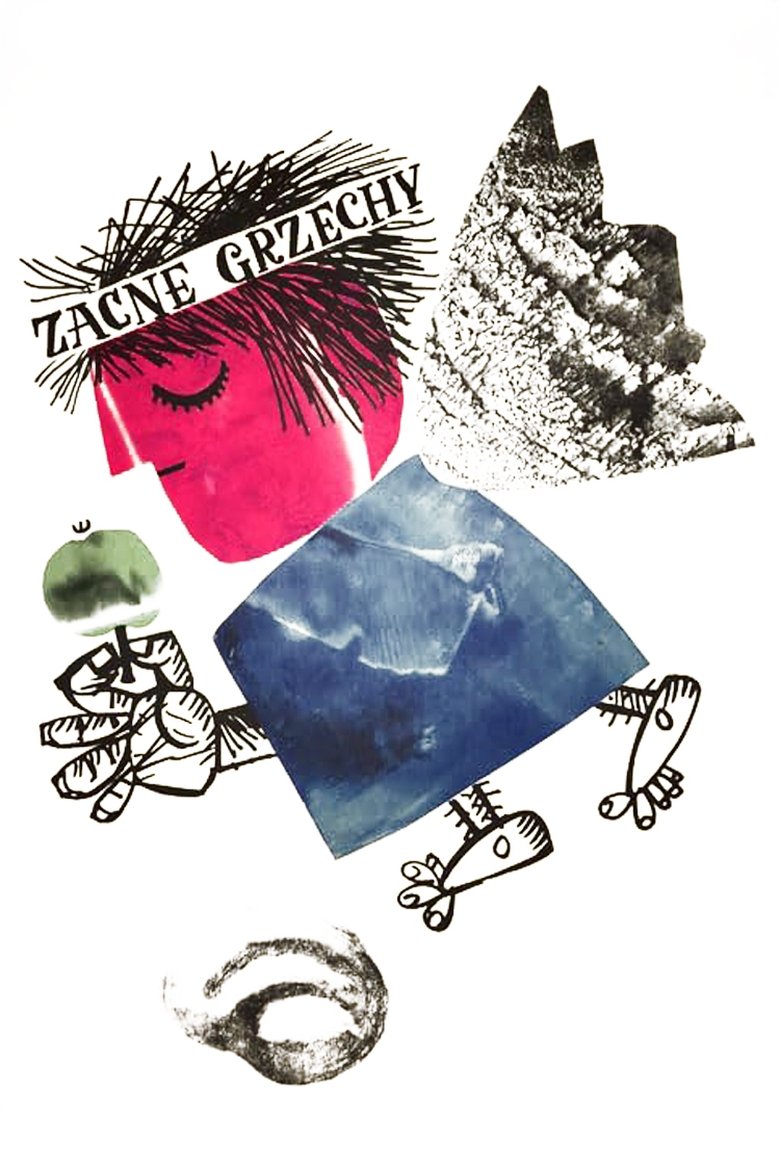
Good Sins
A carmelite monk travels through 17th century Poland and experiences various mishaps along the way.
Hospital
Confined to a hospital room, a seemingly healthy man endures a surreal night as his space is invaded by a procession of bizarre, dreamlike visitors—many linked to the imagery of railroads. Blurring reality with hallucination, the film transforms the ward into a stage for nightmarish encounters.

Ziemia obiecana
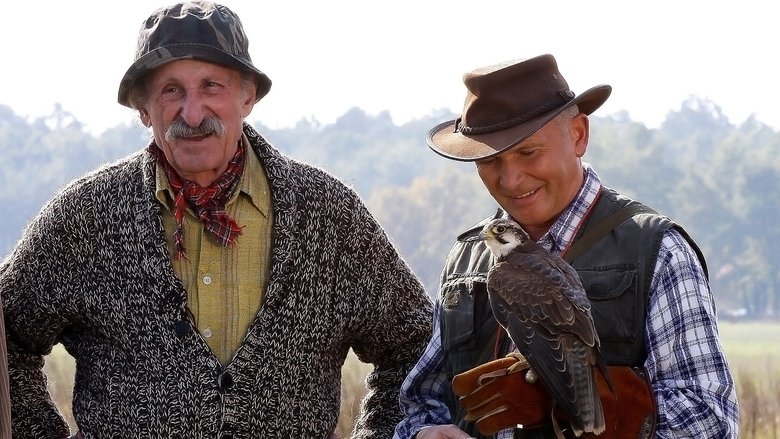
Hotel pod żyrafą i nosorożcem
After graduating, Ania and Roman Miłobędzcy moved to the Beskid Mountains to fulfill their youthful dreams. It was here that their children were born. After a dozen or so years of farming in the Beskid meadows, they were close to bankruptcy. They took advantage of a proposal from businessman Bury and traded their Beskid farm for a villa in a town near Warsaw. Their children, Ola, Janek, and Zuza, were deeply affected by the move. The family's hopes were mixed with sadness. The parents' plan proved a disaster. Instead of a villa, they found a dilapidated wooden house, inhabited, moreover, by the quirky and eccentric Franciszek Alba. It quickly became clear that the Miłobędzcy family had fallen victim to a fraud.
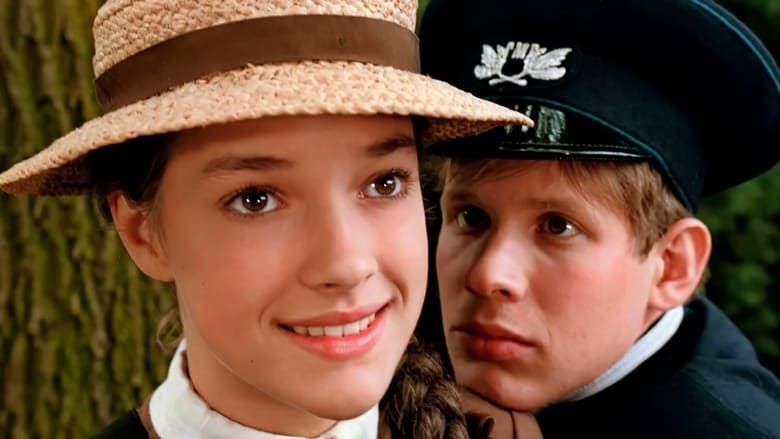
Syzyfowe prace
1890s, Russian-occupied Poland. When Marcin Borowicz begins his gymnasium education, he is confronted with brutal indoctrination and attempts of resistance.
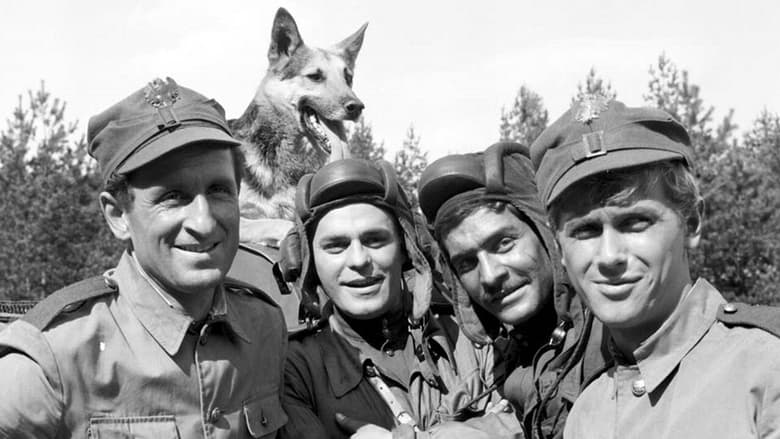
Four Tank-Men and a Dog
Czterej pancerni i pies was a Polish black and white TV series based on the book by Janusz Przymanowski. Made between 1966 and 1970, the series is composed of 21 episodes of 55 minutes each, divided into three seasons. It is set in 1944 and 1945, during World War II, and follows the adventures of a tank crew and their T-34 tank in the 1st Polish Army. Although both the book and the TV series contain elements of pro-Soviet propaganda, they have achieved and retain a cult series status in Poland, Soviet Union and other Eastern Bloc countries. The T-34 tank Rudy with the identifying number "102", a German Shepherd dog from Siberia Szarik and to a lesser extent the crew Jan Kos, Gustaw Jeleń, Grigorij Saakaszwili, Tomasz Czereśniak, and their commander and mentor Olgierd Jarosz, as well as other heroes of the series, have become icons in Polish popular culture.
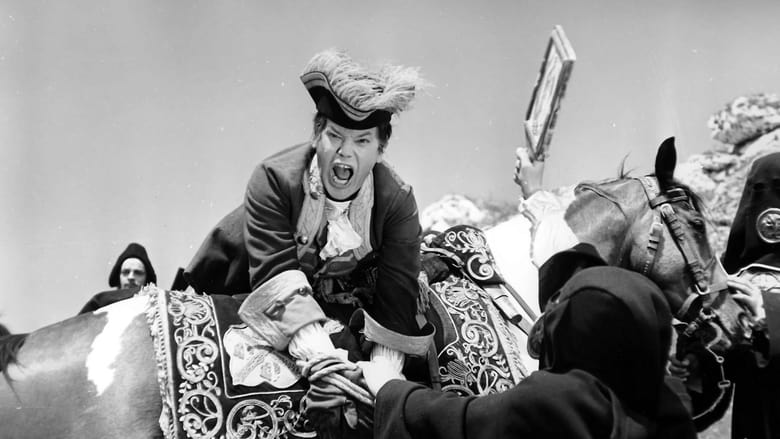
The Saragossa Manuscript
During the Napoleonic wars, a Spanish officer and an opposing officer find a book written by the former's grandfather.
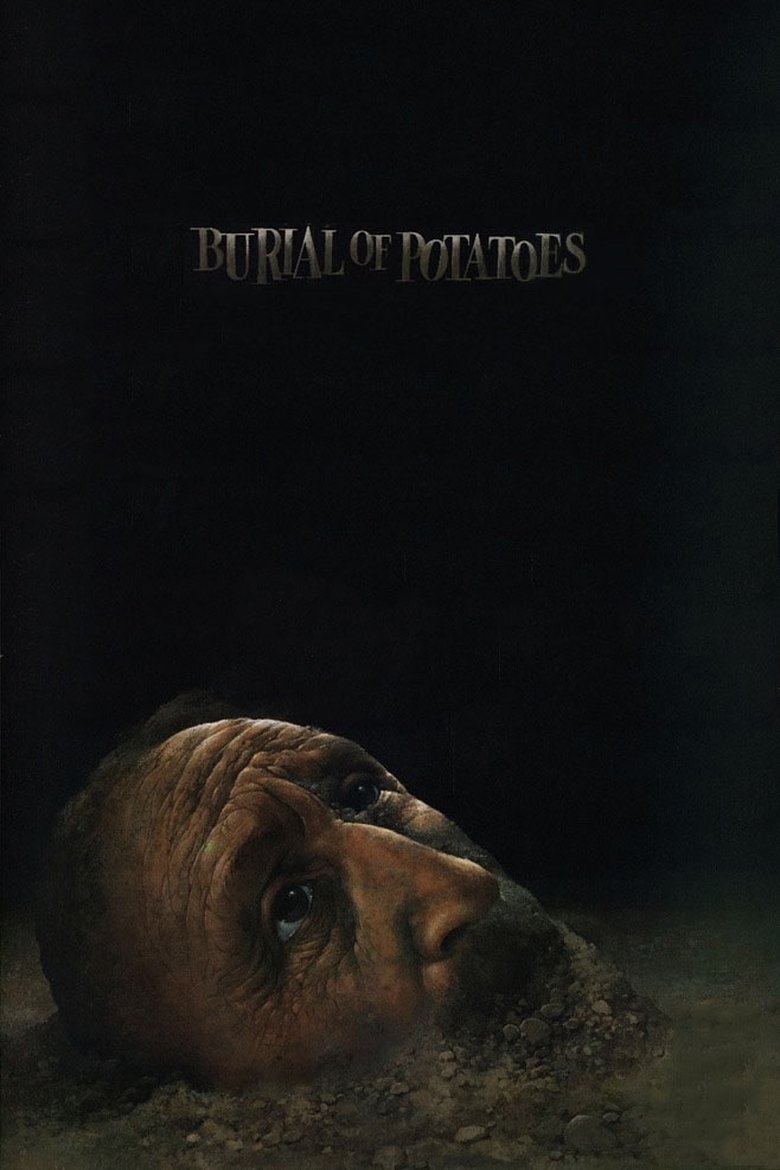
Burial of a Potato
Set in 1946, the film tells a story of a Polish villager returning home after years in a concentration camp. Mateusz is an old-timer, a saddler, who finds nothing but hostility when he makes it home after years away. He is not a Jew, though the villagers brand him one and give him a hard time. They feel guilty about the death of his son at the end of the war, and don't want the father around. In the background: beginnings of the Communist regime in Poland.
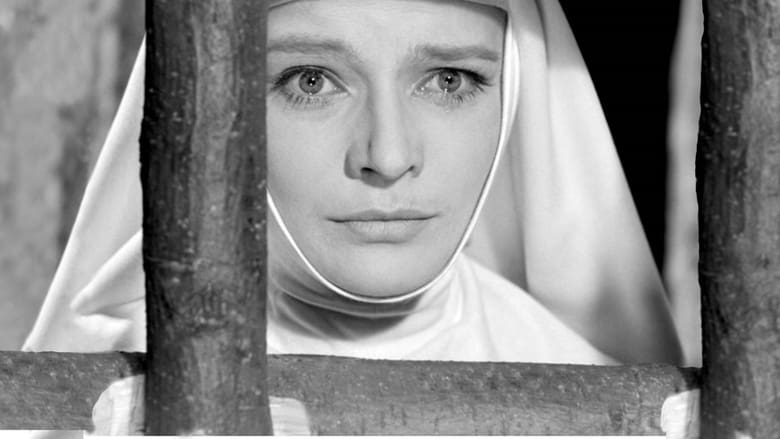
Mother Joan of the Angels
A Polish priest arrives at a convent hoping to save the Mother Superior who is supposedly possessed by eight demons.
Filmography
as The Grandfather
as Kazimierz
as Droselmajer
as Franciszek Alba
as Stacho Japycz
as Jeromos
as święty Roch
as Stacho Japycz
as Rabin Lewi
as Bartłomiej
as Apostle Peter
as Józef, servant
as Wujo Janek
as Kotek
as Marczyk
as Olga's Dad
as Jancio Wodnik
as Szulim
as Kaczuba
as Dimosthenis
as Błażej
as Jambus Ármin
as Großvater
as Banasik
as Papa
as Ansel Vogel
as Mateusz Szewczyk
as God (voice) (uncredited)
as Unger
as Siewka
as Szczepan
as stary Szałaj, ojciec Wiktora
as Witalis
as Cyga
as Logan
as Mossakowski
as Stasiek Skrzypek
as Strzykalski, ojciec chrzestny Purowskiego
as Ludwik Placek
as Andrzej
as Tag
as Piotr Boratynski
as Old Man / God in Kaziuk's Dream
as Stelmach Alojz
as Franek Gąsienica, syn Pawła; Izydor Gąsienica, syn Józka
as Jerzy Habryka
as Jerzy Habryk
as Józef Ślimak
as Herr Warga
as Walery Wróblewski
as Muller, ojciec Mady
as Karol Kostka
as Énekes
as Stefan Bednarz
as Himself
as Ritter Kunz
as Müller
as Old Kiemlicz
as Mrokota
as Mateusz
as Priest
as Franek
as Czepiec
as "King of Life"
as Haratyk
as Hubert Siersza
as Sergeant Pełka
as Smiling Agent
as Edek Zdziebko (voice) (uncredited)
as Sailor
as Priest
as Zalewski, przewodniczący Rady Narodowej
as Muraszko
as Priest
as Franek
as Mateusz
as Gustlik Jeleń
as Gustlik Jeleń
as Gustlik Jeleń
as Gustlik Jeleń
as Tomasz Waliczek "Kosa" / "Scythe"
as Marczak
as Gustlik Jeleń
as Pacheco
as Sports Organiser
as Grajewski's Cellmate
as Janusz
as Eustachy Topór
as Danysz
as Józef Poczobutt
as Stefan
as Kolejarz
as Heniutek
as Pvt. Anklewicz
as Odryn
as Nurse in a mental hospital (uncredited)
as Man with trumpet (uncredited)
as German Soldier on Patrol (uncredited)