
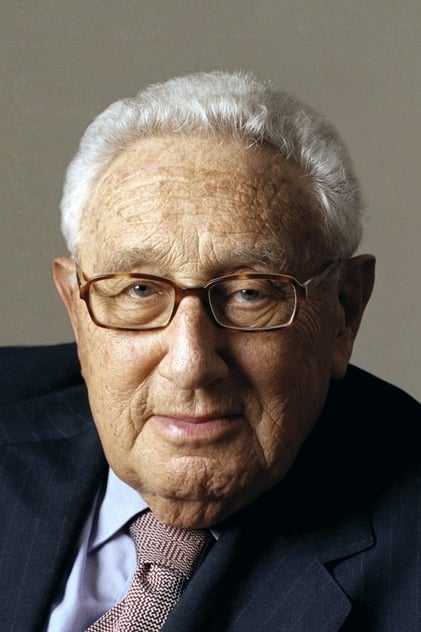
Henry Kissinger
Acting
Biography
Henry Alfred Kissinger (né Heinz; May 27, 1923 – November 29, 2023) was a German-born American politician, diplomat, political scientist and geopolitical consultant who served as United States secretary of state and national security advisor under the presidential administrations of Richard Nixon and Gerald Ford. Kissinger played a prominent role in United States foreign policy between 1969 and 1977, pioneering the policy of détente with the Soviet Union, orchestrating an opening of relations with the People's Republic of China, engaging in what became known as shuttle diplomacy in the Middle East to end the Yom Kippur War, and negotiating the Paris Peace Accords, which ended American involvement in the Vietnam War. After leaving government, he formed Kissinger Associates, an international geopolitical consulting firm. Kissinger wrote over a dozen books on diplomatic history and international relations. Description above from the Wikipedia article Henry Kissinger, licensed under CC-BY-SA, full list of contributors on Wikipedia.
Born: May 27, 1923
Place of Birth: Fürth, Germany
Known For

Laissez-faire
A historical perspective to understand Neoliberalism and to understand why this ideology today so profoundly influences the choices of our governments and our lives.
Henry Kissinger: Secrets of a Superpower
Though Henry Kissinger is often giving short statements to the media, he refuses detailed interviews about his own life. Now he has agreed to answer questions about his person in an extensive documentary.
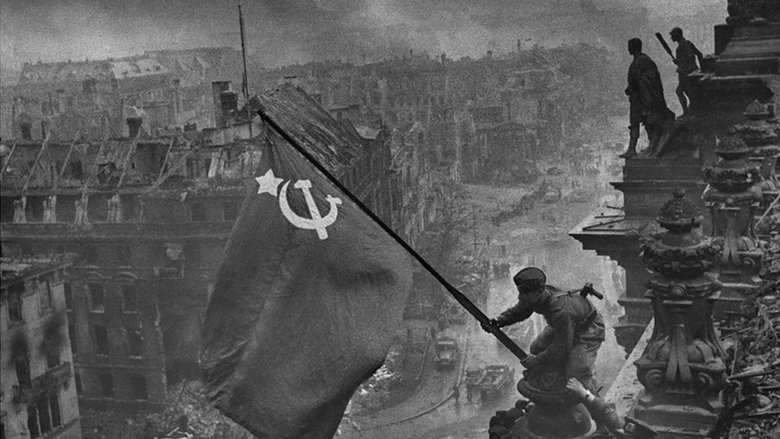
Russia's War: Blood Upon the Snow
An account of the Eastern Front, epic in scale and savagery, as Soviets experienced it and Stalin commanded it.

Whistleblowers: The Untold Stories
Showcasing the heroic deeds in and from every aspect of government and society, in a common quest to make the world a better place, free of corruption, discrimination and civil rights violations from around the globe!
Apostrophes
Apostrophes was a live, weekly, literary, prime-time, talk show on French television created and hosted by Bernard Pivot. It ran for fifteen years (724 episodes) from January 10, 1975, to June 22, 1990, and was one of the most watched shows on French television (around 6 million regular viewers). It was broadcast on Friday nights on the channel France 2 (which was called "Antenne 2" from 1975 to 1992). The hourlong show was devoted to books, authors and literature. The format varied between one-on-one interviews with a single author and open discussions between four or five authors.

The Vietnam War
An immersive 360-degree narrative telling the epic story of the Vietnam War as it has never before been told on film. Featuring testimony from nearly 80 witnesses, including many Americans who fought in the war and others who opposed it, as well as Vietnamese combatants and civilians from both the winning and losing sides.

The Harlem Globetrotters: The Team That Changed the World
"The Team that Changed the World," investigates the Globetrotters' impact socially and culturally, as well as their lasting effect on the NBA. Featuring interviews with basketball players, celebrities, politicians, and more, the documentary also shows how the Globetrotters continue to serve as "Ambassadors of Goodwill" and touch audiences around the world today.
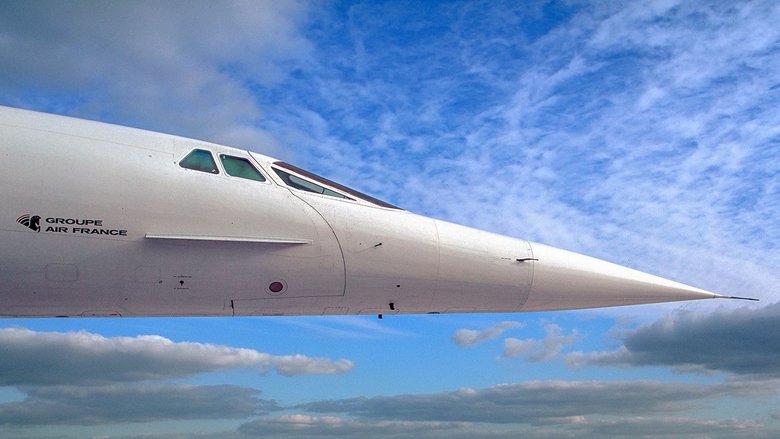
The Concorde: Myth and Tragedy
Concorde was the epitome of elegance, speed and glamour, linking London and New York in little over three hours. But on the 25th of July 2000 tragedy struck which meant the end of supersonic flight.

The Secret Rulers of the World
The Secret Rulers of the World was first shown on Channel 4 in April 2001. The five-part documentary series accompanied creator Jon Ronson's book 'Them: Adventures with Extremists', which covered similar topics and described many of the same episodes. Both the series and book detail Ronson's encounters following theorists and activists residing outside political, religious, and sociological norms.

1979 - The Year Of The Islamist Revolution
During the 1970s the Middle East was a battleground for the Cold War; liberal pro-Western forces battled with pro-Soviet Arab Nationalists and Baathists. But in 1979 a series of events – the Iranian Revolution, Egypt’s peace with Israel, the Mecca Mosque Siege, and the Soviet Invasion of Afghanistan – contributed to a radical change in the mind-set of the region and its leaders. It was the start of the meteoric rise of radical Islam.
Filmography
as Self (archival footage)
as Self (archival footage)
as Self
as Self (archive footage)
as Self (archive footage)
as Self
as Himself (archive footage)
as Self (archive footage)
as Self (archive footage)
as self (archive footage)
as Himself (archive footage)
as Self (archive footage)
as Self
as Self - Politician (archive footage)
as Self - Reader: The Constitution
as Self
as Self (archive footage)
as Self
as Self (archive footage)
as Self - Politician (voice) (archive footage)
as Self (archive footage)
as Self
as Self
as Self (archive footage)
as Self (archive sound)
as Self
as Self
as Self
as Self
as Self (archive footage)
as Self (archive footage)
as Self (archive footage)
as Self (archive footage)
as Himself
as Self
as Self (archive footage)
as Self
as Self (archive footage)
as Self
as Himself
as Self (archive footage)
as Self (archive footage)
as Self
as Self
as Self
as Self (archive footage)
as Self (archive footage) (uncredited)
as Self - NSC
as Self (archive footage)
as Self (archive footage)
as Self (archive footage)
as Self
as Henry Kissinger
as Self
as Self
as Self (archive footage)
as Self
as Ducky Daddles (voice)
as Self
as Self
as Self
as Self - US Secretary of State (archive footage)
as Self (archive footage)
as Self
as Self (archive footage)
as Self
as Self (archive footage)
as Self
as Himself - Former U.S. Secretary of State