
Russia's War: Blood Upon the Snow
An account of the Eastern Front, epic in scale and savagery, as Soviets experienced it and Stalin commanded it.
Seasons

1. The Darkness Descends
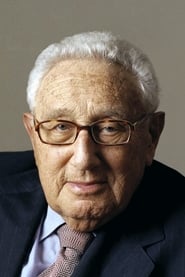
The first episode covers the rise of Josef Stalin, who gained power despite cautionary statements by Lenin before he died. It discusses the violence Stalin dealt to his own people, including the downtrodden peasants, political foes, officers of the Red Army, and anyone else he considered to be an enemy. Henry Kissinger provides narration for the series.
2. The Hour Before Midnight
As the series continues, Stalin is wielding his tyrannical power by ruthlessly eliminating the leaders of his Red Army. In Germany, Hitler is planning to enlarge his territory. Henry Kissinger appears as the host for these programs, which make use of accounts from survivors, photographs not seen outside of Russia, and material once kept secret. Stalin makes a decision to align his forces with those of Hitler, resulting in the swift defeat of Poland.
3. The Goths Ride East
Under Stalin's regime, many Russians have been killed, from common peasants to high-ranking officers in the Soviet Army. When Hitler's troops march into Russia in a blitzkrieg attack, the surprised Russians fall back. Despite Stalin's decree that no cities surrender, Kiev, Minsk, and Smolensk give in. Stalin denounces the captured Russians as traitors, and sends their wives to labor camps. It follows the progress of the Germans as they advance to the gates of Moscow.
4. Between Life and Death
Hitler's forces arrive at Moscow without taking into account the severity of Russian winters. It is October, and the first snows have begun to fall. The inhabitants of Leningrad were under siege, and many were to die from lack of food. The Red Army mounts a counteroffensive, as both Hitler and Stalin display brutality toward their own armies. Stalin orders all deserters shot, in order to keep enough troops at the front to protect Moscow. Seldom-seen footage of events enhances the narrative in this series of programs.
5. The Fight from Within
In the Nazi-captured regions of Russia, the life of villagers went from bad to worse. In this fifth episode of the series, first shown on PBS, the initial optimism of peasants quickly dissipated when Hitler's forces began to display their utter disdain of Soviet citizens. It reveals the role of the Partisan resistance movement, whose first efforts were not sanctioned by Stalin. As their numbers grew, Stalin gave them support, and increased their power, ordering them to kill anyone suspected of disloyalty.
6. The Cauldron Boils
At this point in the war, Hitler is badly in need of supplies, and realizes that the vast oil stores of the Caucasus Mountains would solve some of his fuel problems. He pushes a large faction of his exhausted troops toward this goal, while another heads to Stalingrad for another offensive. Meanwhile, Stalin has told his Red Army that anyone caught retreating will be executed. The use of suicidal Penal Battalions, formed in part from Russia's political prisoners, began, and by the end of the Battle of Stalingrad, over one million Russian soldiers had lost their lives.
7. The Citadel
As the Russians began to make gains against the German army, both sides began to see the importance of the region of Kursk. After the harsh Russian winter, both sides had time to regroup during the spring. Russian factories churned out fresh supplies of war machinery, and Hitler unveiled his new plan, known as the Citadel. The July 5, 1943, meeting of the two opposing forces at Kursk became the biggest tank battle ever fought, utilizing six thousand tanks, four thousand aircraft, and two million soldiers.
8. False Dawn
The siege against Hitlers forces at Leningrad is finally lifted, and the Red Army is finding success against Hitler's forces.
9. The Fall of the Swastika
As the Red Army approaches Berlin, Hitler mobilizes both young and old to defend the doomed city.
10. The Cult of Personality
After World War II, those who hoped for a softening of the Stalin regime policies were disappointed. Instead of easing up on his tyrannical wielding of power, Stalin continued his persecution of Soviet citizens, and imposed his system on other communist nations in Eastern Europe. This episode examines his attitudes toward his own people and his ambition to expand Russian territories. The beginnings of resistance to his policies can be discerned, and, in 1953, Stalin died of a brain hemorrhage.
Cast
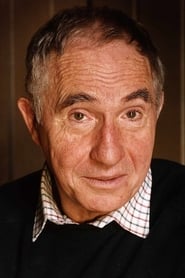
Nigel Hawthorne
Narrator
More Like This

Khon La Khob Fah
Chanika returns home from abroad because her father is in the hospital. Upon returning home, she learns that her father is in huge debt and they need money to cover the medical expenses. Her college roommate introduces her to a high paying job out in the suburbs. Chinapat is the owner a rubber tree plantation and hires Chanika as a favor to his cousin. They don't get along because Chinapat has anger management issues and there are rumors about him. In order to avoid being engaged to his mom's friend's daughter, Chinapat asks Chinika to marry him for a large sum of money. Will they ever learn to get along?

In Family We Trust
The story revolves around an extended Thai Chinese family whose members' seemingly happy relationships devolve into conflict following murder of the eldest son and head of the family business.

The Queen of Castle
After a powerful business tycoon dies in a tragic accident, his wife must battle family hostility, ruthless rivals, and hidden conspiracies to secure control of the business empire and realize its ambitious medical city project.

Because of Love
Nuring was adopted into Singh's family protection in order to have ability that allows her to save people around from any danger. She decided to run away after being arranged to marry Singh because she was scared of disappointment. Now she works as a bodyguard for a foreign customer. Singh took over his family's business since he was 20. He's strict and smart but is always being harmed by his rival, so he needs to get Nuring back. After Nuring came back to Singh, she must be a bodyguard for his rival's daughter, meanwhile disguising herself to protect Singh. She's doing this due to gratitude to his family who raised her. Meanwhile, he doesn't want her to do it because he's scared something might happen to her, but he accepts it because of his grandfather.

Gigantes do Brasil
The miniseries tells in four episodes the story of powerful men that included Brazil in the world economic map in the first decades of the twentieth century: Francesco Matarazzo, Percival Farquhar, Giuseppe Martinelli and Guilherme Guinle. Visionaries, dreamers and polemic, they bet on developments that put the country on the path to become one of the economic powers of the twenty-first century.

60 JUSTICE PROJECT
Eiji Arima is a veteran detective who is about to retire. Shoichi Sera is a young lawyer and Misuzu Haruna is a prosecutor. These three people belong to the Gohan Taisakushitsu ("Misjudgment Countermeasure Office’". Their job is to re-examine death-row convictions and check to see if anyone was falsely convicted.
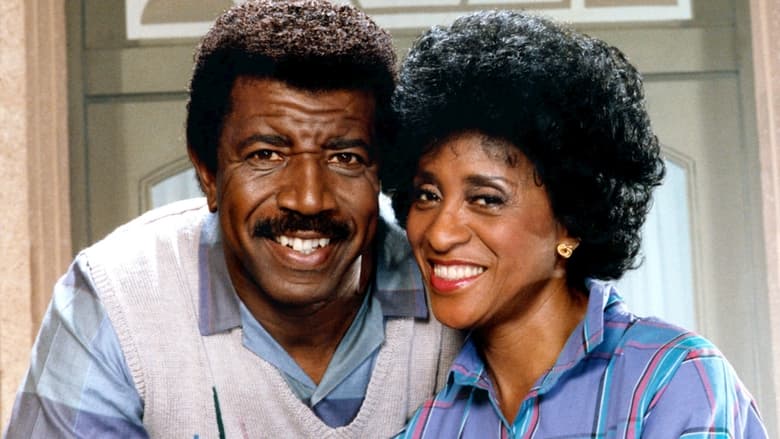
227
A housewife sits on the stoop of her apartment building in a black neighborhood of Washington, D.C., and discusses all manner of things with her neighbors.

All Dogs Go To Heaven: The Series
All Dogs Go to Heaven: The Series is an animated television series which aired from 1996 to 1998 in syndication and on the Fox Family Channel from 1998 to 1999, with 41 half-hour episodes produced in total. It aired on Cartoon Network in 1999 to 2000. It was produced by MGM Animation and was distributed by Claster Television. Don Bluth’s 1989 animated feature All Dogs Go to Heaven featured a roguish German Shepherd named Charlie who died, went to heaven, conned his way back to Earth for vengeance on his killer Carface and then found redemption through a little orphaned girl named Ann-Marie. The film was popular with audiences, spawning a sequel, All Dogs Go to Heaven 2 and this animated series. The theme song for the series is "A Little Heaven", written by Lorraine Feather and Mark Watters. The singers were Gene Miller of Nashville, Clydene Jackson-Edwards and Carmen Twillie. Most of the voice actors from the feature films reprised their roles in the series, including Dom DeLuise, Ernest Borgnine, Charles Nelson Reilly, Bebe Neuwirth, Sheena Easton and Adam Wylie. Steven Weber provided the voice of Charlie B. Barkin, who was voiced in the films by Burt Reynolds and Charlie Sheen.

Ira
Ira is a wayward 30―year-old Muscovite who does not recognize the rules and principles of modern society. Throughout the season, she easily breaks the fourth wall and openly discusses with the viewer everything that worries her. Topics for reflection and self-reflection are completely different: from mortgages and a night run to the refrigerator to cleaning an apartment and the impact of female pads on the seal population. And the seals would be fine. Ira's personal life is not all right either. She is dating hysterical screenwriter Sergei, but the explosive nature of the woman does not allow them to be together all the time, so the couple regularly quarrels.

Hak Lai, My Lady
After stealing the key to her mother’s safe box, Lalin heads out to find her biological father, but gets attacked along the way. Here she meets Pi, the owner of Huen Hak Phaeng Farm, whom she had an issue with prior. Chaos ensues when the key to her mother's safe goes missing and she needs to stay at Huean Hak Phaeng Farm to find that key.
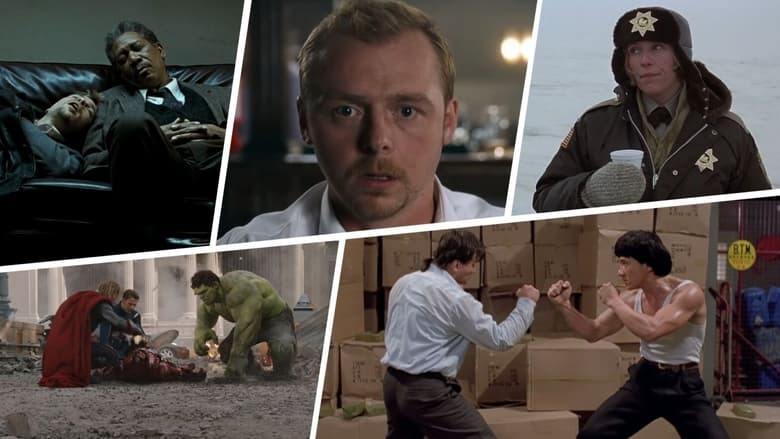
Every Frame a Painting
Every Frame a Painting is dedicated to the analysis of film form.
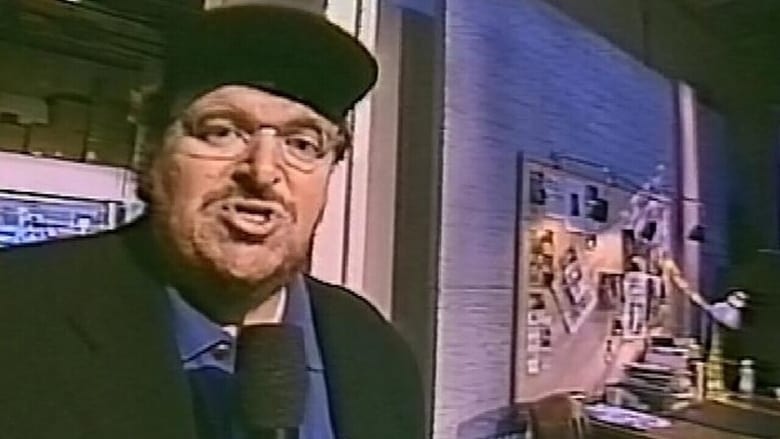
Michael Moore Live
Michael Moore Live, a 1999 television show featuring political advocate Michael Moore, ran for one six-part series. It was shown on Channel 4 and aired in the United Kingdom only, though it was broadcast from New York. The show had a similar format to The Awful Truth but also incorporated phone-ins and a live stunt each week. It was filmed around 7pm local time, which due to the time difference made it a late-night show in the UK. The live phone-ins all featured UK viewers, and questions were mainly about American policy at the time, e.g. gun control and the war in Kosovo. Each week, Moore was joined by guests, and one of the regulars was an illegal UK alien in the USA named Nigel. Throughout the show, he had to wear a rubber Queen Elizabeth II mask to hide his true identity.

Kourtney and Kim Take New York
Kourtney and Kim Take New York is an American reality television series that premiered January 23, 2011, on E! that ran for two seasons. It follows sisters Kourtney and Kim Kardashian as they open a D-A-S-H store in New York City. Kourtney and Kim Take New York is the second spin-off of Keeping Up with the Kardashians.

Coração Alado

Op My Eish!
A fresh and exciting reality show where single ladies can possibly be introduce to an attractive, successful and famous man.
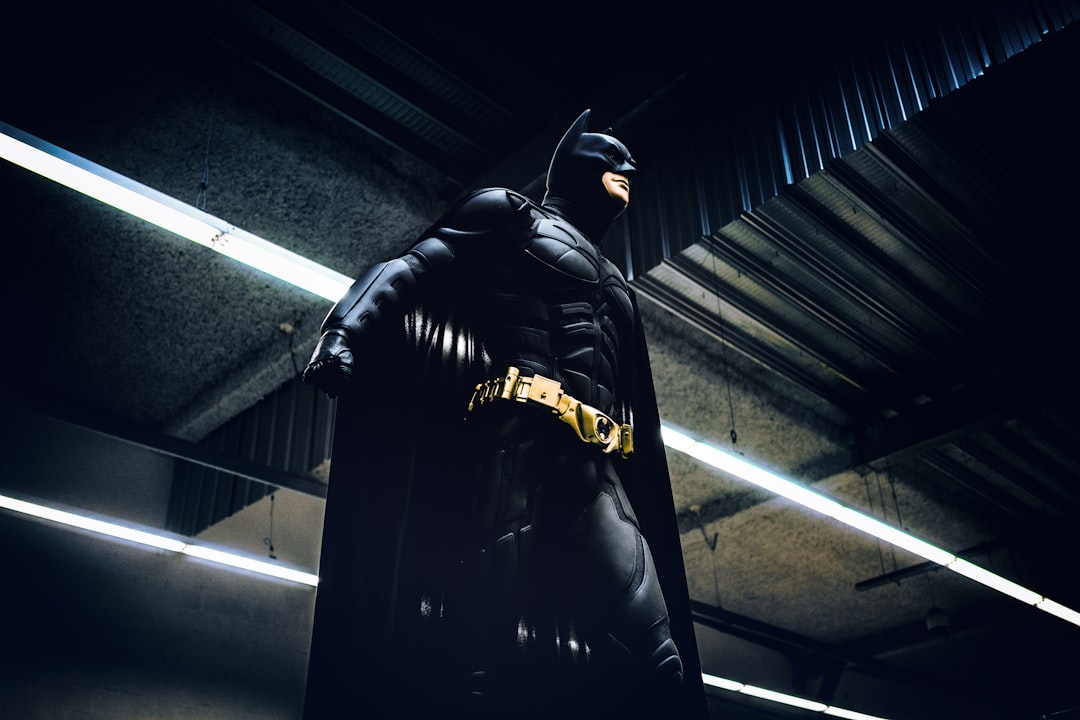
Action in the Afternoon
Action in the Afternoon is an American western television series that aired live on CBS from February 2, 1953 to January 29, 1954. The series originated from the studios and back lot of WCAU-TV, Channel 10 in Philadelphia, Pennsylvania, and was broadcast Monday through Friday regardless of the weather. The half-hour series aired variously at 3:30 pm or 4:00 pm, throughout its run.
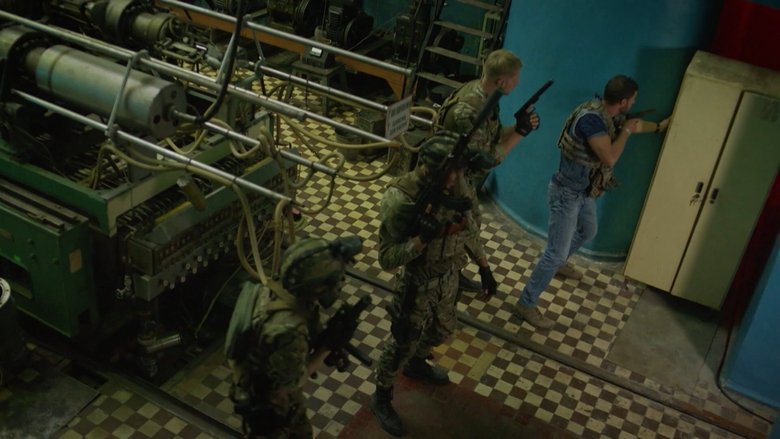
Штурм

Dogface
Dogface is a British sketch comedy television series which debuted on E4 in September 2007. The show consists of sketches sometimes interspersed with animations featuring dogs sitting at tables talking as "lads" talk, with much reference to booze, birds and other lad culture stereotypes. The series is produced by Objective Productions.
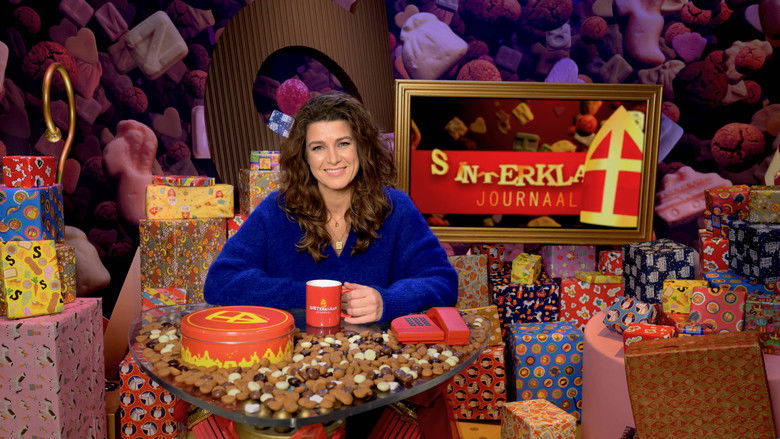
Sinterklaasjournaal
Reviews
No reviews available yet.