
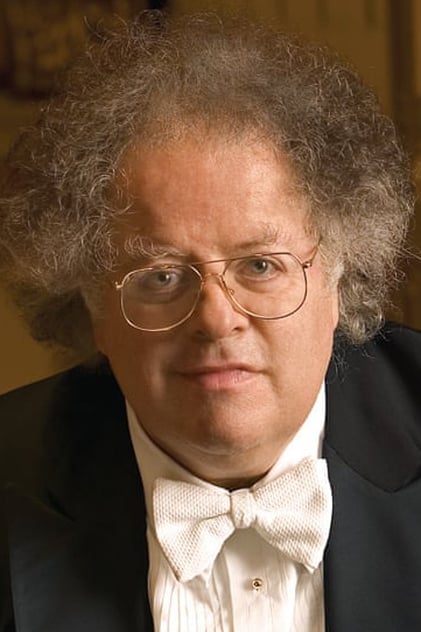
James Levine
Sound
Biography
No biography available for James Levine.
Born: June 23, 1943
Place of Birth: Cincinnati, Ohio, USA
Known For
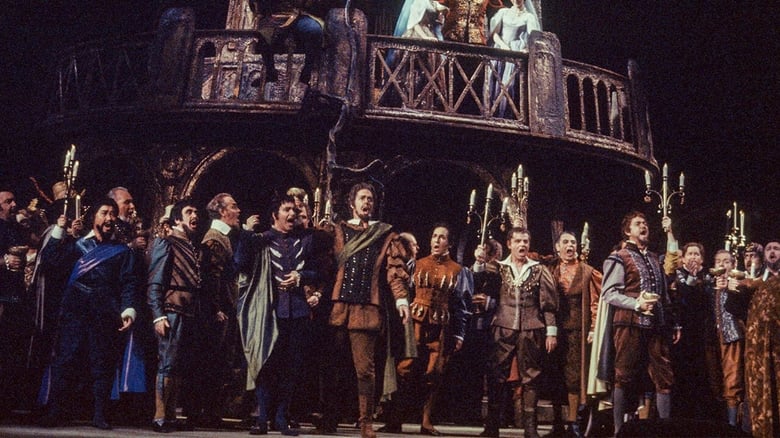
Rigoletto
A Victor Hugo play, haunting and scandalous, provided the inspiration for Verdi’s mid-career masterpiece. A vengeful but misguided court jester strives to save his daughter from a duke’s licentious clutches, but can't part with the feeling that a curse looms over all of his actions. In Rigoletto, the composer introduces several of his most iconic arias and duets—as well as an 11th-hour quartet that counts among the finest moments in opera.
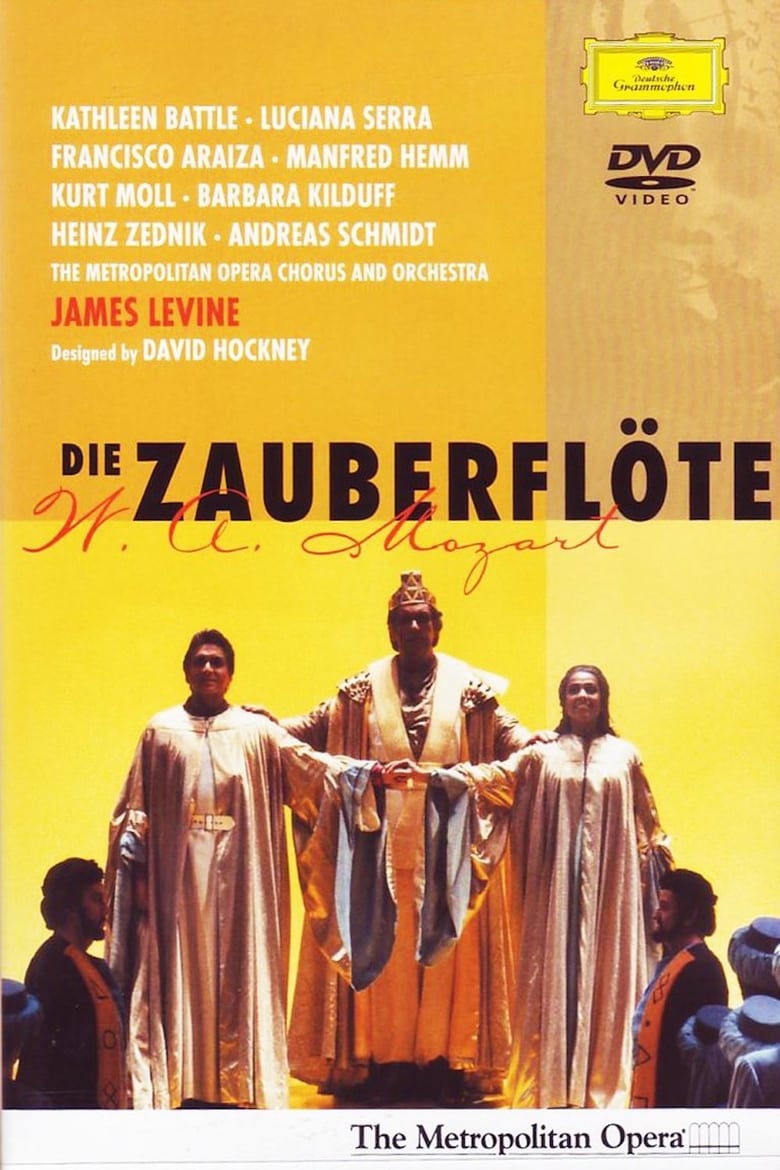
The Metropolitan Opera: The Magic Flute
Mozart’s allegorical fairy tale has charmed audiences and inspired artists, for more than 200 years. A few weeks before this telecast, the Met unveiled a new production of the opera featuring the colorful designs of acclaimed artist David Hockney. His bold colors and vivid images enchanted audiences and seemed to inspire the striking cast, led by James Levine’s affectionate conducting. Francisco Araiza is the young prince Tamino, who finds himself in a strange land, forced to undergo mysterious tests so he can rescue, then marry, the woman he loves, Pamina, played by Kathleen Battle. Kurt Moll is the compassionate Sarastro and Luciana Serra is the Queen of the Night.
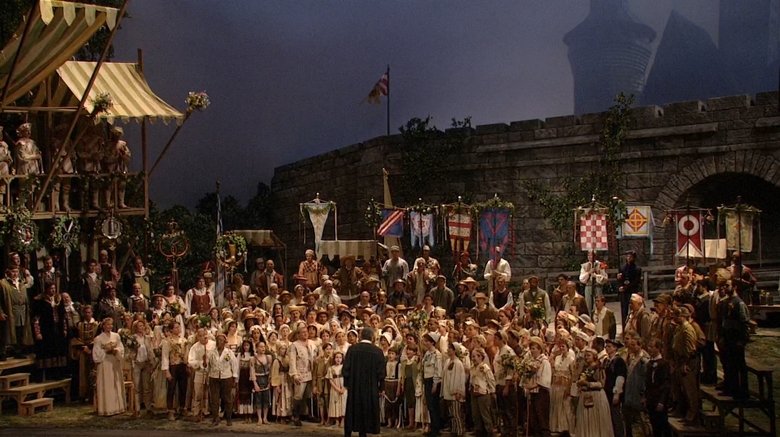
Die Meistersinger Von Nürnberg
James Morris leads an all-star cast including Karita Mattila, Ben Heppner, Thomas Allen and René Pape, in this production of Wagner's comic opera, recorded live at New York's Metropolitan Opera in 2001. James Levine conducts.
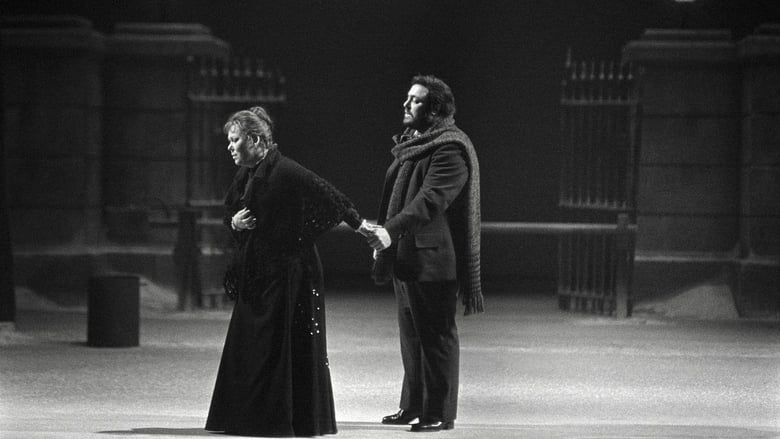
La Bohème
Puccini’s heartbreaking story of young love in the garrets of Belle Epoque Paris has attracted many famous singers through the years. But with James Levine at the helm and the starry duo of Luciano Pavarotti and Renata Scotto as Rodolfo and Mimi, every bit of emotion in the score pours across the footlights and seduces the audience. In this case, the audience was in the millions since this was the very first in the “Live from the Met” series of telecasts. The evocative production is by Fabrizio Melano, designed by Pier Luigi Pizzi.
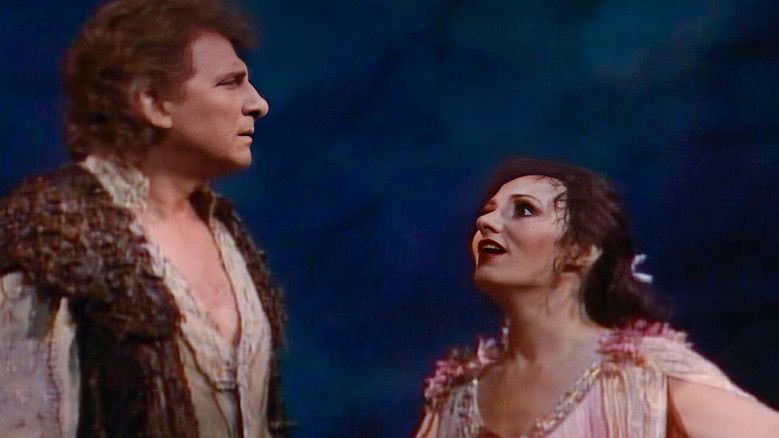
Richard Wagner: Parsifal
The Met production easily has the most beautiful staging, designed by Otto Schenck, who also produced the fabulous set for the Met's previous Ring cycle. Kurt Moll is a wonderful Gurnemanz, but compared to his studio recording under Karajan a decade earlier it has lost some of its original velvety body and luster. As Parsifal, Jerusalem is starting to show some wear and tear on his voice at the Met in 1992 as opposed to his prime form at Bayreuth in 1981, but is still quite good; only Placido Domingo could compete with him in the role at that time.
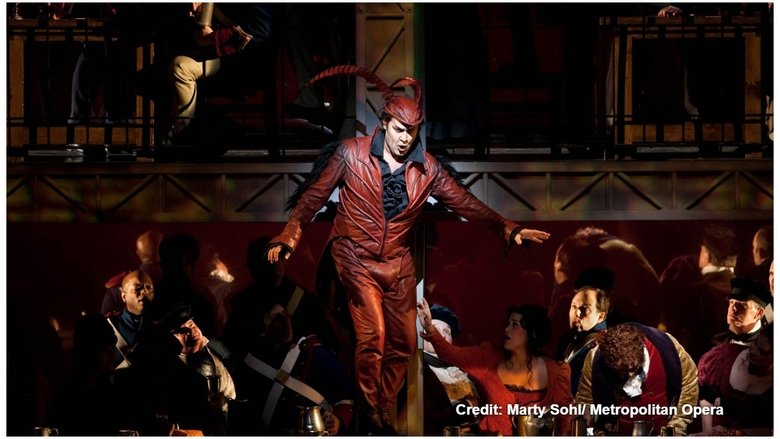
Berlioz: La Damnation de Faust
Radiant mezzo-soprano Susan Graham and dashing Italian tenor Marcello Giordani are unlucky lovers in La Damnation de Faust, Hector Berlioz’s classic take on dancing with the devil.
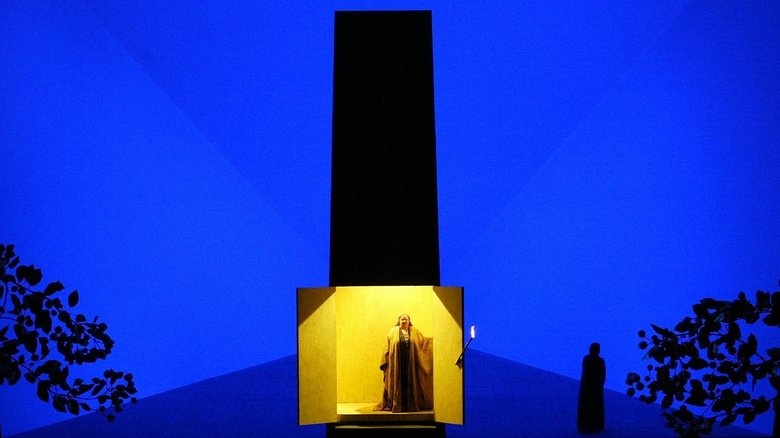
Tristan und Isolde
Inspired by Wagner’s own tortured affair with the wife of his patron, this searing masterwork is based on Arthurian legend and tells of an illicit romance between a Breton nobleman and the Irish princess betrothed to his uncle and king. The composer’s larger-than-life sensibilities are on full display throughout the score: Along with intoxicating orchestral music that surges in tandem with the couple’s burgeoning passion and a chord left symbolically unresolved until the last moments of the opera, the opera also features one of the repertory’s most soaring and ecstatic final climaxes, as Isolde surrenders to a love so powerful that she transcends life itself.
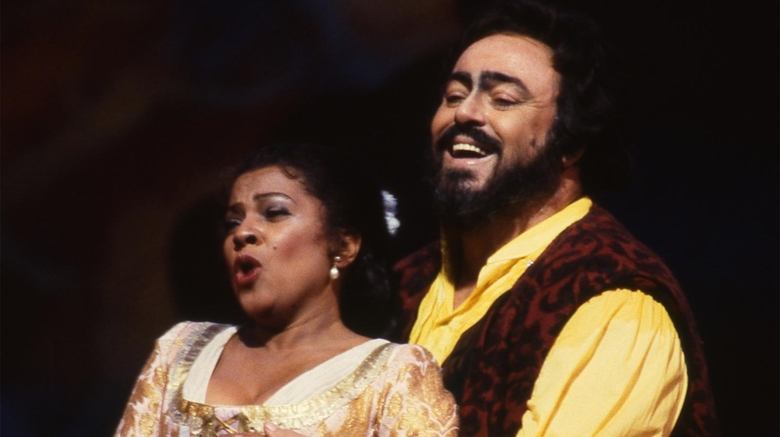
L'Elisir d'Amore
John Copley’s colorful production, with designs by Beni Montresor, was created around the beloved superstar Luciano Pavarotti. As the simple, good-hearted Nemorino, he enchanted audiences with his larger-than-life personality as well as his golden voice. Enzo Dara as the quack Dr. Dulcamara provides the elixir of the title that helps Nemorino win the heart of Adina, the girl of his dreams, sung with youthful energy by Kathleen Battle.

Idomeneo
Opera royalty Luciano Pavarotti brings dignity and power to the title role in this 1982 production. During a squall at sea, Idomeneo -- the king of Crete -- swears to Neptune that if the monarch survives, he'll sacrifice the first person he encounters onshore. Tragically, that person ends up being his son, Idamante (Frederica Von Stade). Maestro James Levine masterfully conducts the orchestra and chorus of the Metropolitan Opera. A musical production that was designed for the "Live From the Met" series, this program was produced by Jean-Pierre Ponnelle.
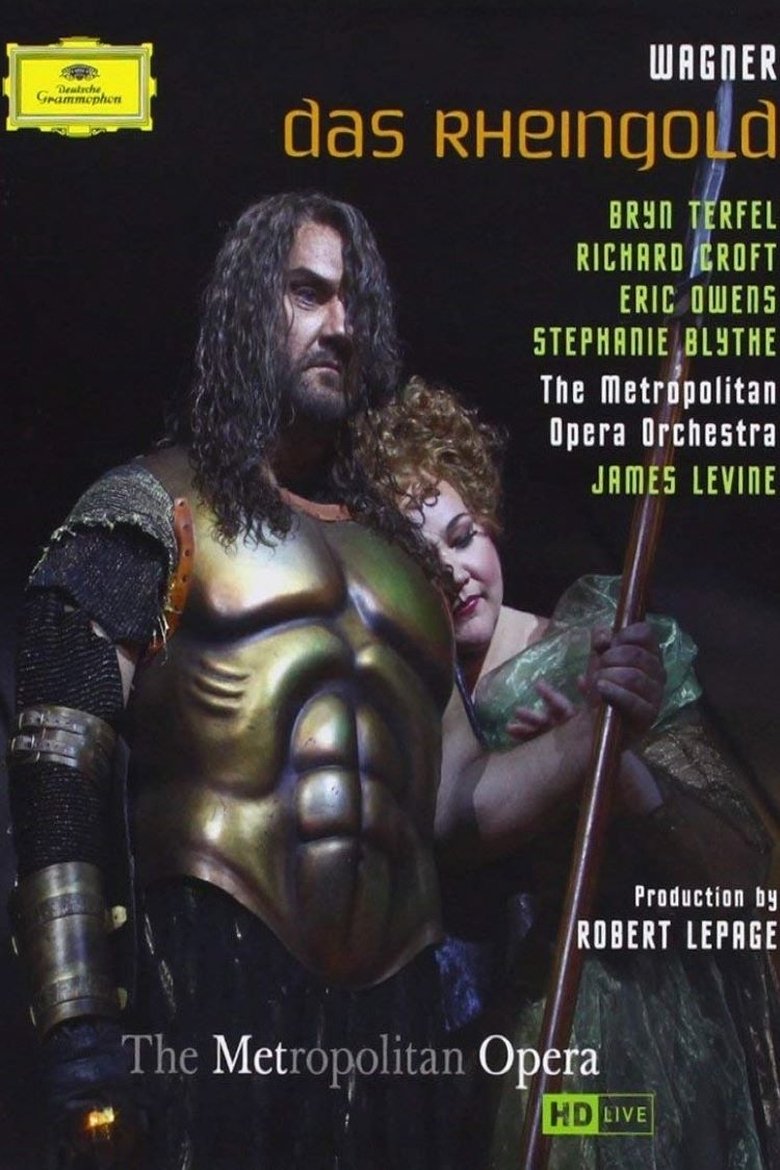
Wagner: Das Rheingold
In the depths of the Rhine, the three Rhinemaidens guard the Rhinegold, a treasure of immeasurable value. The Nibelung dwarf Alberich is dazzled by the sight of it. The girls explain that whoever wins the gold and forges it into a ring will gain power over the world, but must first renounce love. Frustrated by his unsuccessful attempts to catch one of the girls, Alberich curses love and steals the gold. Wotan, lord of the gods, is reproached by his wife Fricka: he has promised to give Freia, goddess of youth, to the giants Fasolt and Fafner in return for their building a fortress for the gods. When the giants demand their reward, Loge, the god of fire, suggests an alternative payment: the ring Alberich has forged from the Rhinegold, and his other treasures. The giants agree, and Wotan and Loge leave for the Nibelungs’ underground home.
Filmography
as Self - Conductor
as Self - Conductor
as Self - Conductor
as Conductor
as Conductor
as Self - Conductor
as Self - Conductor
as Conductor
as Himself
as Self - Conductor
as Self - Host
as Self - Conductor
as Self - Conductor
as Conductor
as Self - conductor
as Conductor
as Self - Conductor
as Conductor
as Self - Conductor
as Self - Conductor
as Self - Conductor
as Conductor
as Conductor
as Conductor
as Self - Conductor
as Conductor
as Conductor
as Conductor
as Self - Conductor
as Conductor
as Conductor
as Self - Conductor
as Self - Conductor
as Conductor
as Conductor
as Self - Conductor
as Self - Conductor
as Self - Conductor
as Conductor
as Conductor
as Conductor
as Self - Conductor
as Self
as Self - Conductor
as Conductor