
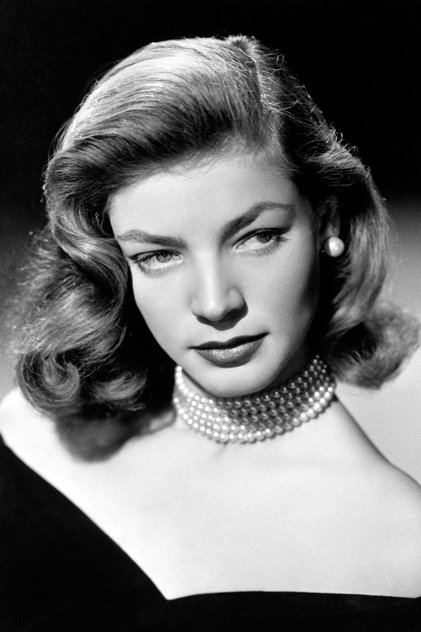
Lauren Bacall
Acting
Biography
From Wikipedia, the free encyclopedia. Lauren Bacall (born Betty Joan Perske; September 16, 1924 – August 12, 2014) was an American actress known for her distinctive husky voice and sultry looks. She began her career as a model. She first appeared as a leading lady in the Humphrey Bogart film To Have and Have Not (1944) and continued on in the film noir genre, with appearances in Bogart movies The Big Sleep (1946), Dark Passage (1947), and Key Largo (1948), as well as comedic roles in How to Marry a Millionaire (1953) with Marilyn Monroe and Designing Woman (1957) with Gregory Peck. Bacall worked on Broadway in musicals, earning Tony Awards for Applause in 1970 and Woman of the Year in 1981. Her performance in the movie The Mirror Has Two Faces (1996) earned her a Golden Globe Award and an Academy Award nomination. In 1999, Bacall was ranked 20th out of the 25 actresses on the AFI's 100 Years...100 Stars list by the American Film Institute. In 2009, she was selected by the Academy of Motion Picture Arts and Sciences to receive an Academy Honorary Award "in recognition of her central place in the Golden Age of motion pictures." Bacall died on August 12, 2014, at the age of 89. According to her grandson Jamie Bogart, the actress died after suffering from a stroke.
Born: September 16, 1924
Place of Birth: The Bronx, New York City, New York, USA
Known For
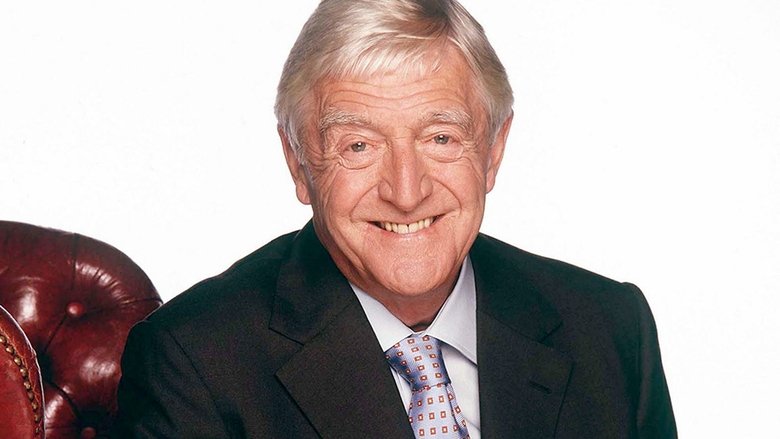
Parkinson at 50
Sir Michael Parkinson looks back over his 50 years as a broadcaster, revealing some tricks of the interview trade and remembering some of his favourite encounters.
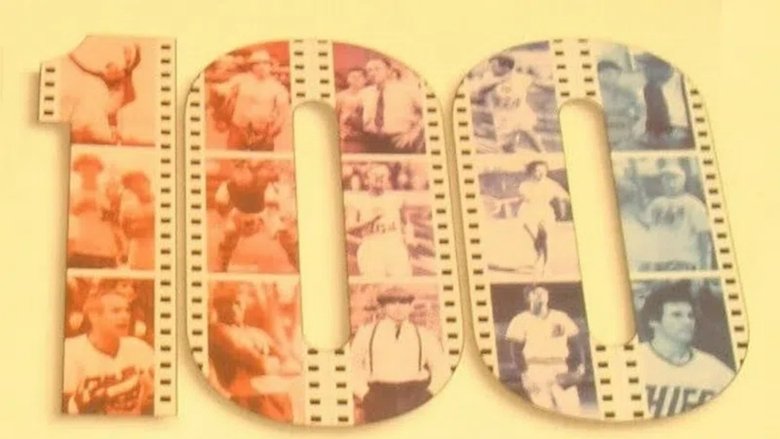
Sports on the Silver Screen
HBO (in association with the American Film Institute) presents this 1997 anthology, narrated by Liev Schreiber, which looks at sports in cinema from the earliest silent films until the nineties. Watch not for dramatic scenes but for the glimpse of historical figures shown both cinematic and athletic- in this tribute to the merging of sports and Hollywood.
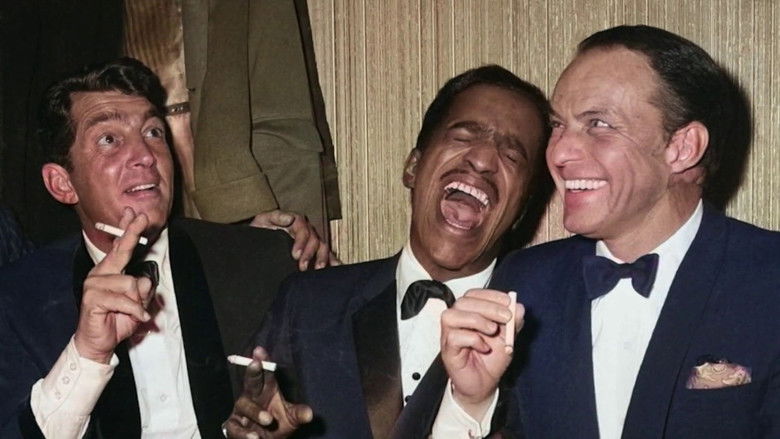
Rat Pack
In the 1950s, a small group of artists monopolized the attention of the cameras and the public. Frank Sinatra, Dean Martin, Sammy Davis Jr., Joey Bishop and Peter Lawford together form the "rat pack": they sing the most popular hits of the moment, star in the most profitable Hollywood films and are already making a splash on television . This documentary, produced by a recognized specialist in the history of Hollywood, recounts the exceptional destiny of this informal group which flirted with the greats of this world, notably through Sinatra, personal friend of American President Kennedy.
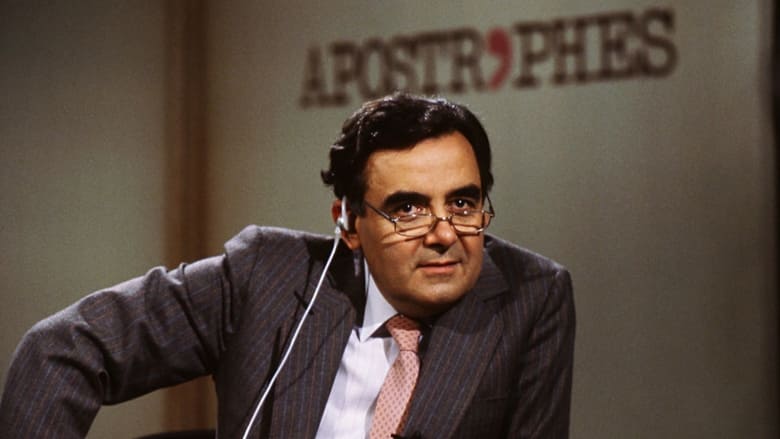
Apostrophes
Apostrophes was a live, weekly, literary, prime-time, talk show on French television created and hosted by Bernard Pivot. It ran for fifteen years (724 episodes) from January 10, 1975, to June 22, 1990, and was one of the most watched shows on French television (around 6 million regular viewers). It was broadcast on Friday nights on the channel France 2 (which was called "Antenne 2" from 1975 to 1992). The hourlong show was devoted to books, authors and literature. The format varied between one-on-one interviews with a single author and open discussions between four or five authors.
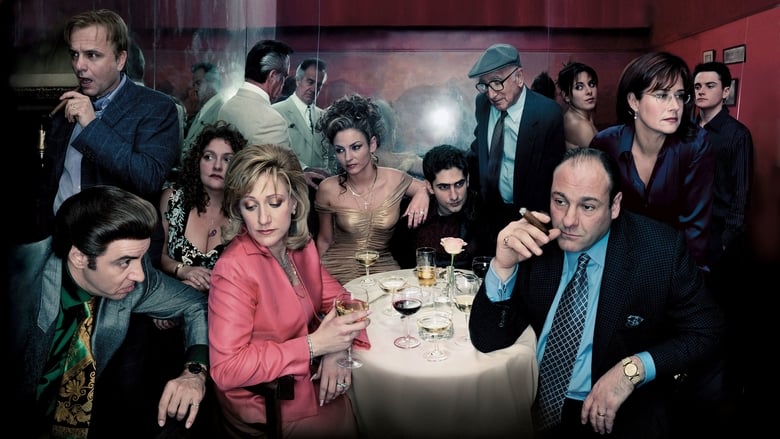
The Sopranos
The story of New Jersey-based Italian-American mobster Tony Soprano and the difficulties he faces as he tries to balance the conflicting requirements of his home life and the criminal organization he heads. Those difficulties are often highlighted through his ongoing professional relationship with psychiatrist Jennifer Melfi. The show features Tony's family members and Mafia associates in prominent roles and story arcs, most notably his wife Carmela and his cousin and protégé Christopher Moltisanti.
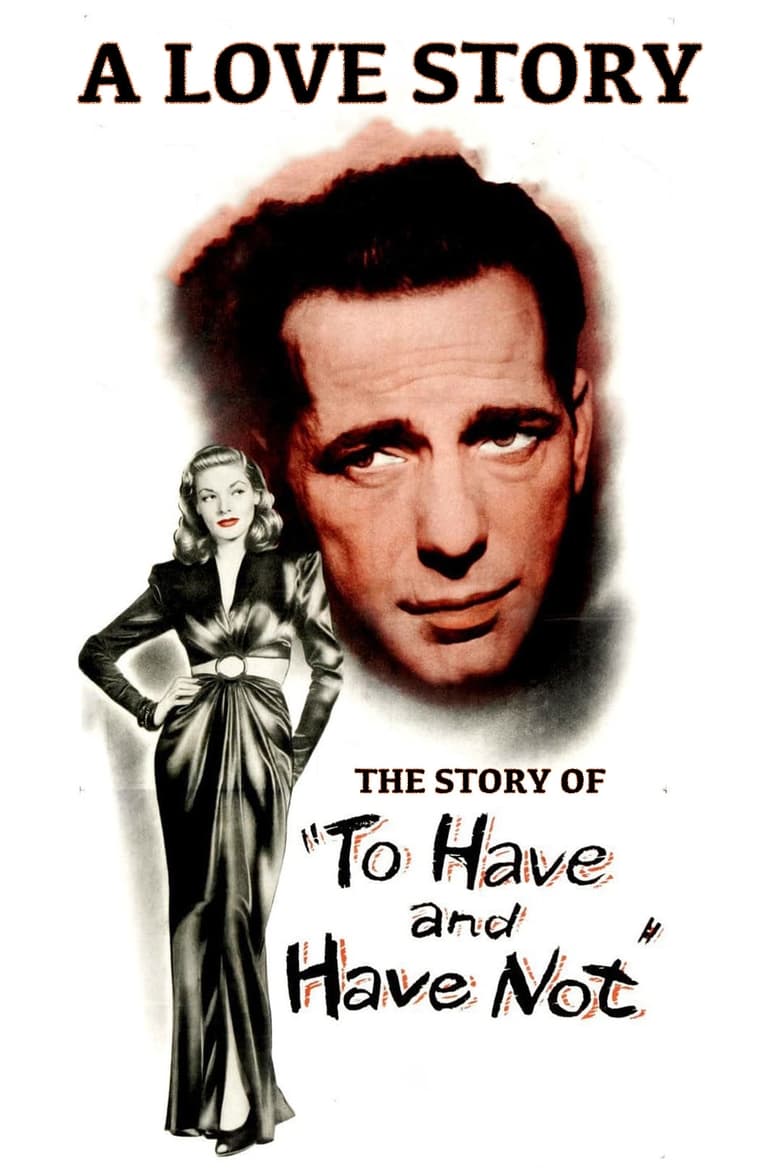
A Love Story: The Story of 'To Have and Have Not'
In the '40s Howard Hawks boasts that he can make a movie out of the worst thing Hemingway ever has written. When Hemingway asks, which novel he means, Hawks says To Have and Have Not. Jules Furthman writes a script, which follows the book closely. The location of the story is Cuba, but the US Government is against depicting corruption and violence on Cuba, and threatens to withdraw the film's export license. William Faulkner rewrites the script, and relocates the story to Martinique. Hawks's wife, Nancy Slim Gross, happens to see a young model at the cover of the magazine Harper's Bazaar, and shows it to her husband. Hawks is a star-maker, who likes to discover and nurture new talents. After a screen test, he chooses the 19-year-old model as the lead actress opposite Humphrey Bogart. She changes her name from Betty Perske to Lauren Bacall. At the first takes she is so nervous that she shakes.
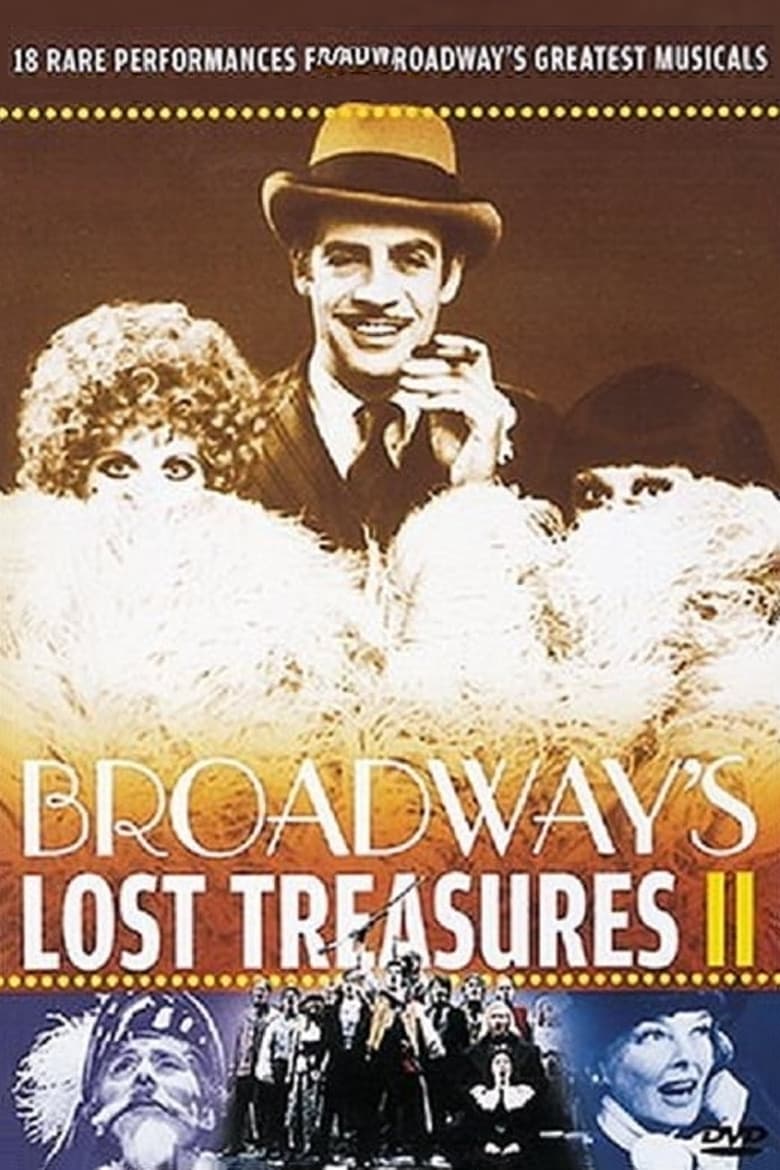
Broadway's Lost Treasures II
The annual Tony Award broadcast provides the only filmed record of Broadway's best for audiences to experience as if they were front-row-center on opening night. This second compilation of great musical moments from the Tonys features another dazzling array of stars and performances. Hosts Lauren Bacall, Bebe Neuwirth, Brian Stokes Mitchell and Jerry Orbach introduce these one-of-a-kind performances and share their personal Broadway and Tony memories.
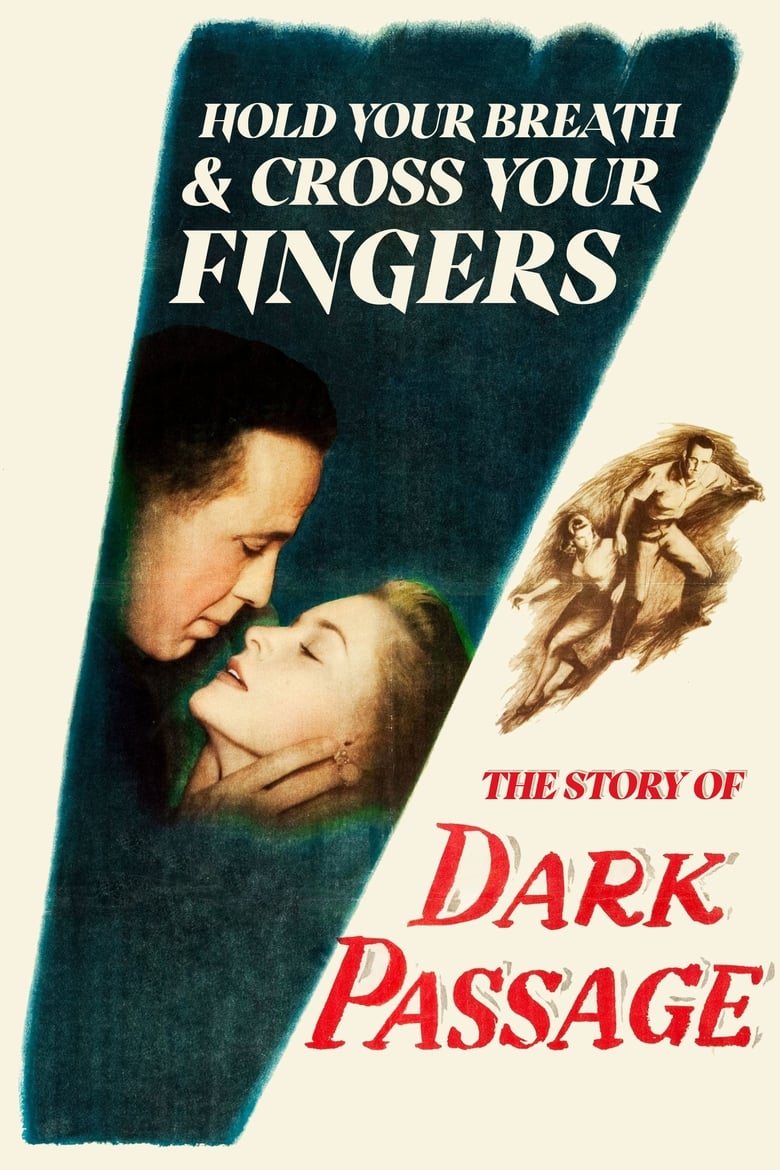
Hold Your Breath and Cross Your Fingers: The Story of 'Dark Passage'
Bogart was interested in this project because it offered a chance to work with his new bride. The studio wasn't convinced, but the result speaks for itself.
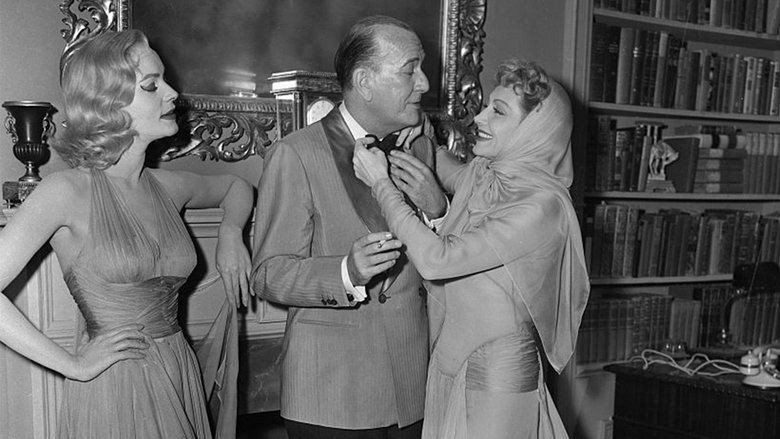
Blithe Spirit
Television adaptation of Noël Coward's famous play about an unhappily married man plagued by the spirit of his dead previous wife.
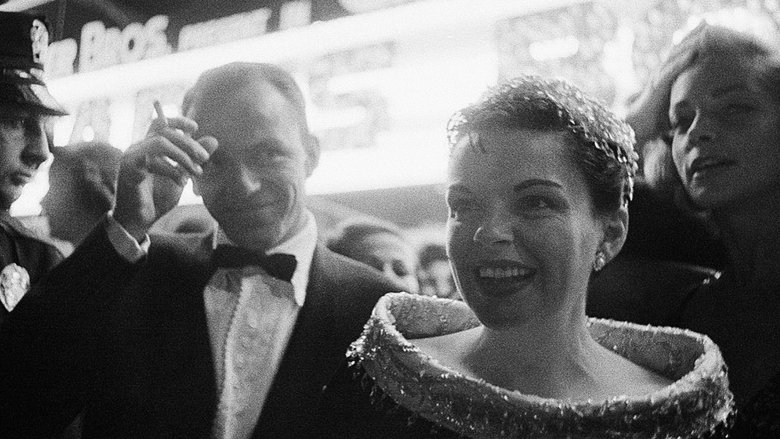
A Star Is Born World Premiere
Live television broadcast of the world premiere. Described by various participants as the biggest world premiere in memory, even bigger than the Academy Awards.
Filmography
as Self (archive footage)
as Self (archive footage)
as Self (archive footage)
as Self (archive footage)
as Self (voice) (archive footage)
as Self (archive footage)
as Self (archive footage)
as Self (archive footage)
as Self (archive footage)
as Self - Actress (archive footage)
as Self (archive footage)
as Self (archive footage)
as Self (archive footage)
as Self (archive footage)
as May
as Self (archive footage)
as Anne-Marie
as Self – Interviewee
as Self (archive footage)
as The Grand Witch (voice)
as Grandma
as Natalie Van Miter
as Dame Lydia
as Mam
as May Markham
as Eleanor
as Host
as Self
as Self (archive footage)
as Self (archive footage)
as Self (archive footage)
as Various Roles (archive footage)
as Ma Ginger
as Self
as Self (archive footage)
as Self - Narrator (voice)
as Self (archive footage) (uncredited)
as Mado Remei
as TV Announcer
as Sin-Dee
as Self - Guest
as Countess Camilla Volta
as Madame LaCroque (voice)
as Doris Duke (elderly)
as Evelyn (voice)
as Lauren Bacall
as Self
as Self
as Self
as Self
as Self
as Self (archive footage)
as Sonia
as Self
as Margaret Kramer
as Hannah Morgan
as Self - Guest
as Mrs. Basil E. Frankkweiler
as Slim Chrysler
as Samara Visco Klein
as Self
as Christelle (archive footage)
as Self
as Herself
as Lisa
as Fanny Church
as Lillian Brooks
as Edwige
as Herself - Presenter
as Marcia Sindell
as Beatrix Coltrane
as Freezelda (voice)
as Carlotta Vance
as Lisa
as Marsha Archdale
as Mrs. Cranston
as Lady Westholme
as Self
as Self
as Self
as Self
as Self (archive footage) (uncredited)
as Self
as Self
as Sally Ross
as Esther Brill
as Self
as Ms. Lizzie Martin
as Bond Rogers
as Self
as Self
as Mrs. Harriet Belinda Hubbard
as Kendall Warren
as Margo Channing
as Self (archive footage)
as Narrator
as Self
as Self - Guest
as Self
as Self (archive footage)
as Elaine Sampson
as Sylvia Broderick
as Dr. Edwina Beighley
as Self
as Self
as Virginia Herson
as Catherine Wyatt
as Julie Beck
as Marilla Brown Hagen
as Lucy Moore Hadley
as Elvira Condomine
as Cathy Grainger
as Meg Faversen Rinehart
as Gabby Maple
as Elizabeth Burns
as Schatze Page
as Self
as Self
as Sonia Kovac
as Amy North
as Self
as Self (archive footage) (uncredited)
as Self
as Nora Temple
as Self
as Irene Jansen
as Self
as Vivian Sternwood Rutledge
as Self (uncredited)
as Rose Cullen
as Marie Browning
as Self
as Self - Presenter
as Self - Cecil B. DeMille Award Recipient
as Self - Winner