
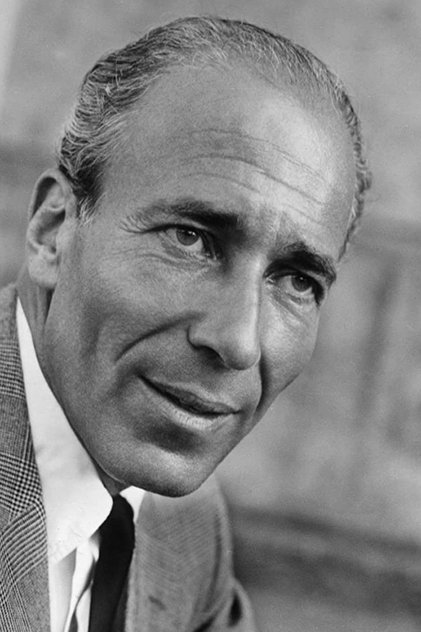
Peter Capell
Acting
Biography
Peter Capell (3 September 1912 - 3 March 1985) was a German actor who was active on screen from 1945 until 1985. His first role was in Winterset, shortly after the end of the Second World War. His final role came a year before his death, when he appeared in Mamas Geburtstag. Both of these were television productions. He also appeared in many films, including Willy Wonka and the Chocolate Factory (1971), in which he played a "tinker" who spoke to Charlie Bucket (Peter Ostrum) at the gates of Willy Wonka's chocolate factory. Capell died, aged 72, in March 1985. Description above from the Wikipedia article Peter Capell, licensed under CC-BY-SA, full list of contributors on Wikipedia.
Born: September 3, 1912
Place of Birth: Berlin, Germany
Known For

A Gift for Heidi
This movie is about one summer holiday in the life of the famous children's book character Heidi, the orphan girl who lives with her grandfather (whom Heidi, like everybody else including the cast list, calls "Alm Uncle") on the outskirts of a small village in the Alps. Heidi has a gift of three carved wooden figures made by a craftsman neighbour: Caspar, Melchior and Balthazar. However, rather than gold, frankincense, and myrrh, her grandfather and the village doctor gradually teach Heidi the idea that the gifts they bring are faith, charity and hope.
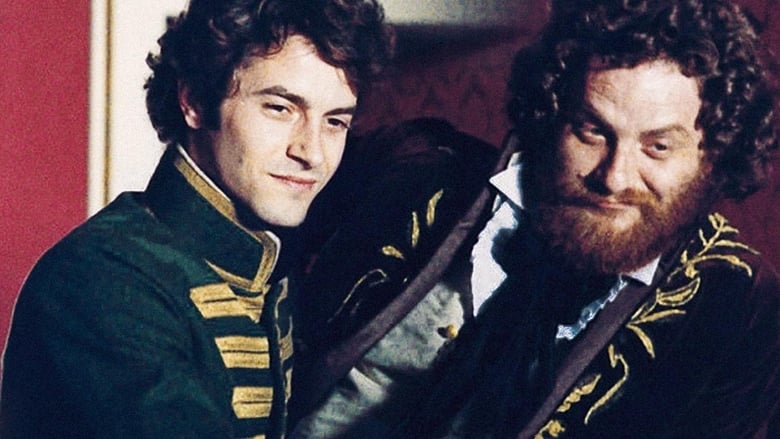
The Charterhouse of Parma
Stendhal's epic tale of a young French officer in the Napoleonic wars, and his aunt - a duchess of legendary beauty and resourcefulness.
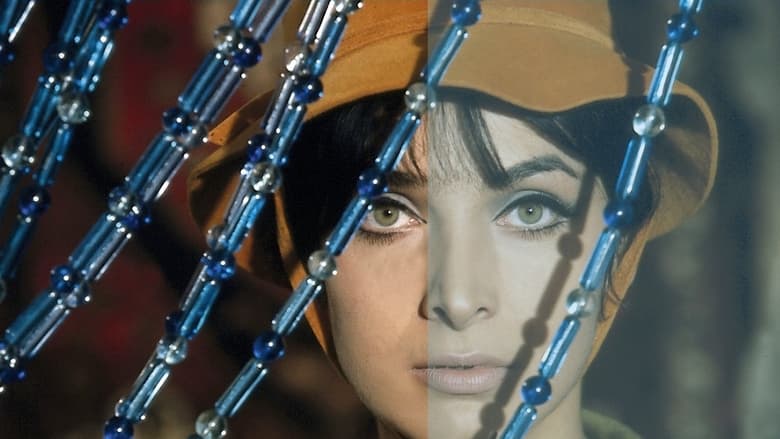
Das Kriminalmuseum
Das Kriminalmuseum was a German television series. It ran from 1963 to 1970 on ZDF and was one of its first programs. Each episode began with a tracking shot through an unspecified crime museum, stopping at one of the displays, whose story was then told. Each episode was between 60 and 75 minutes long and featured different actors as the criminal commissioner. The best known was Erik Ode, who in 1969 moved to Der Kommissar, appearing in 97 episodes. The theme music of the series was written by German composer Martin Böttcher, who also composed the complete scores for five episodes.
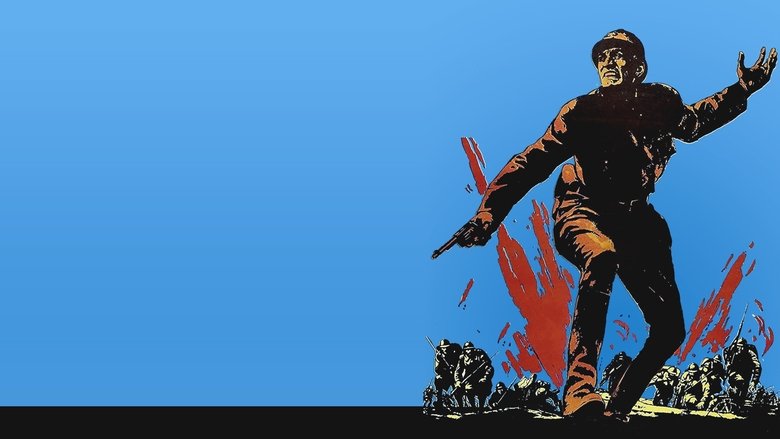
Paths of Glory
A commanding officer defends three scapegoats on trial for a failed offensive that occurred within the French Army in 1916.
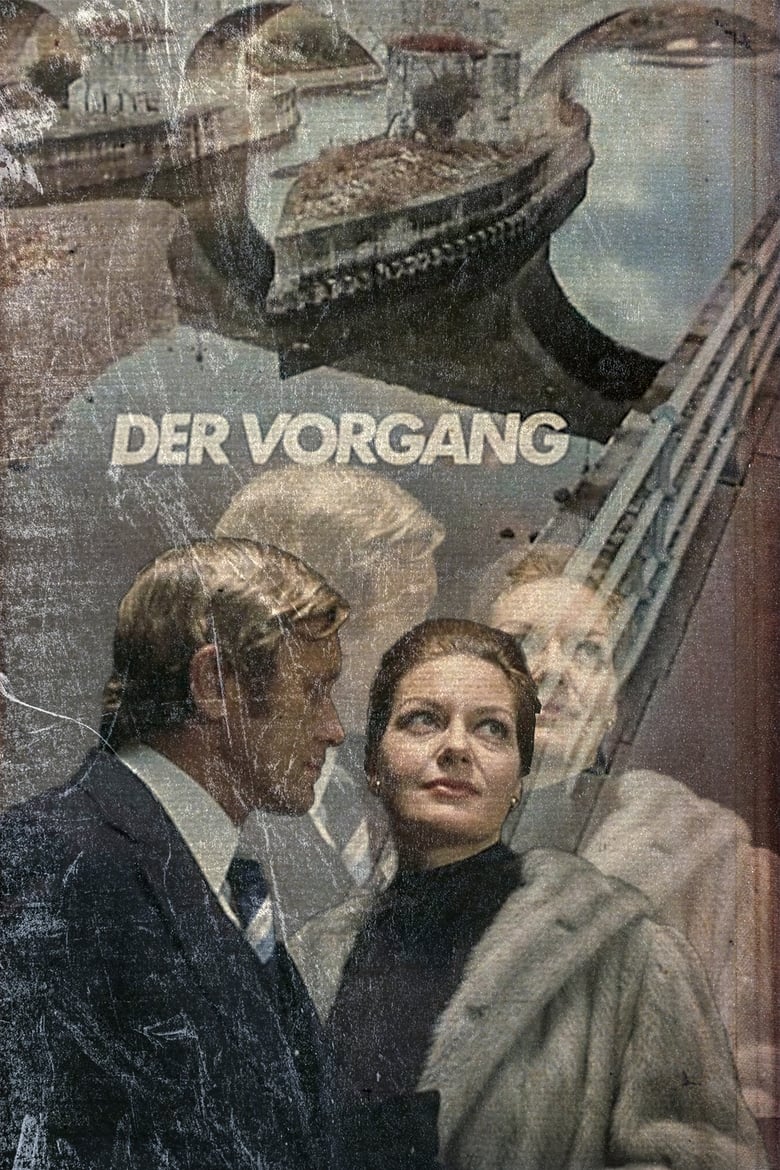
Der Vorgang

Playhouse 90
Playhouse 90 is an American television anthology series that was telecast on CBS from 1956 to 1960 for a total of 133 episodes. It originated from CBS Television City in Los Angeles, California. Since live anthology drama series of the mid-1950s were usually hour-long shows, the title highlighted the network's intention to present something unusual, a weekly series of hour-and-a-half dramas rather than 60-minute plays. Playhouse 90 began as a pitch by Frank Stanton—the formidable, forward-thinking right-hand man to CBS chairman William S. Paley—during a brainstorming session for program ideas. The project was ultimately developed by Hubbell Robinson, a CBS vice president who received no screen credit on Playhouse 90 but is often described as its creator.
One, Two, Three
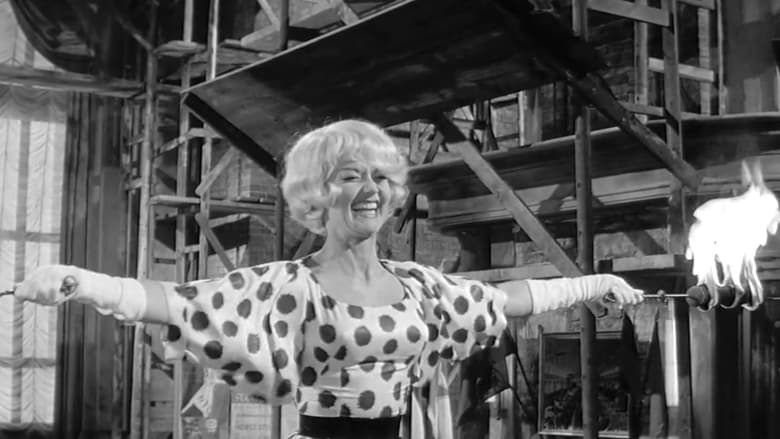
In Cold War-era West Berlin, American Coca-Cola executive C.R. 'Mac' MacNamara is tasked with playing babysitter to his boss' spoiled 17-year-old daughter Scarlett, who proves more difficult than anticipated when she reveals that she is pregnant by a Communist.

Willy Wonka & the Chocolate Factory
When eccentric candy man Willy Wonka promises a lifetime supply of sweets and a tour of his chocolate factory to five lucky kids, penniless Charlie Bucket seeks the golden ticket that will make him a winner.

Sorcerer
Four men from different parts of the globe, all hiding from their pasts in the same remote South American town, agree to risk their lives transporting several cases of dynamite (which is so old that it is dripping unstable nitroglycerin) across dangerous jungle terrain.

Holocaust
Berlin, Germany, 1935. The day Karl Weiss, a Jewish painter, and Inga Helms, a Christian woman, marry, is the one in which both of them and the entire Weiss family are caught up in the maelstrom of the Nazi regime, the storms of World War II and the horrors of the criminal Final Solution, the Holocaust, the Shoah; while Erik Dorf, an ambitious lawyer, undertakes his fall into hell at the hands of the sinister Reinhard Heydrich.
Filmography
as Schwindli
as Abbé Blanes
as Krick-Krack
as Captain König
as Grandfather
as Lichtenstein
as Fritz Buchmann
as Second Director
as Seder Man
as Lartigue
as Heinecke
as Georg Singer
as Mahmoud
as Häftling
as Drogenboß
as Hulam
as Direktor
as Prof. Abramowiz
as Rechtsanwalt
as Arzt
as The Tinker
as Priest (uncredited)
as Vanetti
as Dr. Shepilov
as Mayor
as Major Gorski
as Eckhardt
as Sir Aren
as Dr. Leppje
as Unger (uncredited)
as Mishkin
as Pietro Vizzini
as Geck
as Geuter
as Intendant Huebner
as Minor Role (uncredited)
as Dr. Jeffreys
as Jimmy Donnagan
as Doc
as Narrator of Opening Sequence
as Baylock
as Dr. Baumgarten
as Geuter
as Chris Zalenko / Gino
as Gunner
as Paul